




Factors to Consider When Selecting a Plastic Mold Injection Machine
 Jul 04, 2024|
 View:672
Key Components of Plastic Mold Injection Machines
Injection Unit: Comprises the plasticizing cylinder and the screw, which melts and injects the plastic material into the mold.
Clamp Unit: Also known as the mold-closing unit, it holds the mold halves together with high pressure to prevent the mold from opening during the injection process.
Control System: Manages the machine's operations, including temperature control, injection speed, and pressure settings.
Hosing and Piping: Facilitates the transport of molten plastic from the injection unit to the mold.
Ejector System: Used to remove the finished part from the mold after the molding process is complete.
The Injection Molding Process
Feeding: Plastic pellets or granules are fed into the injection unit.
Melting: The screw rotates, melting the plastic material through heat and shear.
Injection: The molten plastic is injected into the mold cavity at high pressure.
Cooling: The plastic part cools and solidifies within the mold.
Ejection: Once the part is solidified, the mold opens, and the ejector system pushes the part out.
Trimming: Excess material, known as flash, is removed from the part.
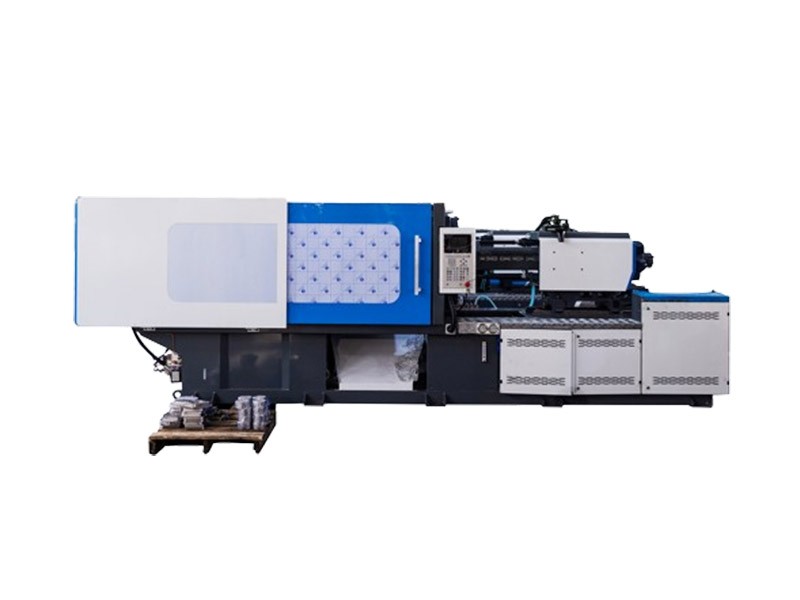
Factors to Consider When Selecting a Plastic Mold Injection Machine
Tonnage: The clamping force required to hold the mold together, which depends on the size and complexity of the part being produced.
Shot Capacity: The volume of plastic that the machine can inject in one cycle.
Injection Speed and Pressure: Important for filling the mold cavity effectively and influencing the quality of the final part.
Temperature Control: Accurate temperature control is crucial for the melting and cooling processes.
Machine Size and Footprint: Must fit within the available production space.
Automation Options: Consider the level of automation required for your production line, such as robotic arms for part handling.
Benefits of Using Plastic Mold Injection Machines
High Production Volume: Ideal for mass production of identical parts.
Cost-Effectiveness: Economies of scale can reduce the cost per part.
Precision: Capable of producing parts with tight tolerances and complex geometries.
Material Efficiency: The process minimizes material waste.
Durability: Injection molded parts are strong and durable.
Challenges and Solutions
Mold Design: Requires careful design to ensure easy part ejection and minimal defects.
Machine Maintenance: Regular maintenance is necessary to ensure optimal performance and longevity.
Material Selection: The choice of plastic material affects the molding process and the properties of the final part.
Skilled Operators: Requires skilled personnel to operate the machine and troubleshoot issues.