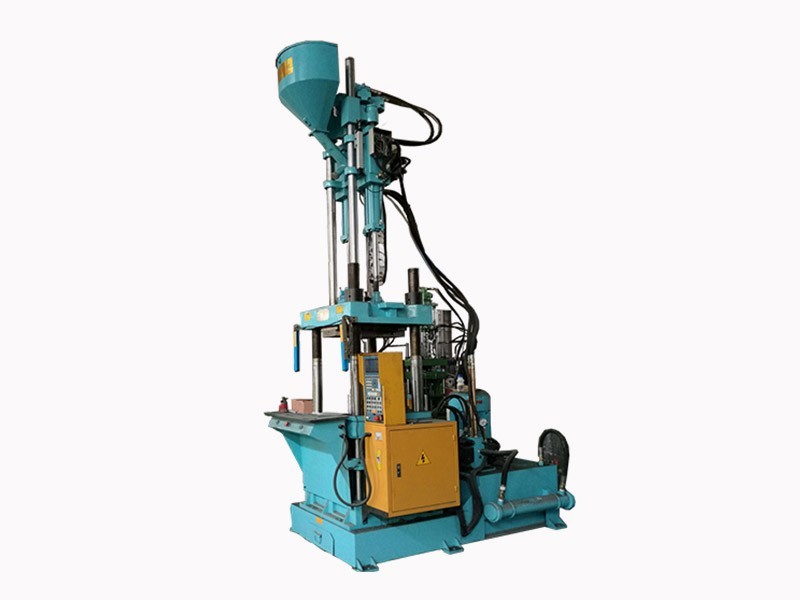




Top Features to Look for in a High-Quality Slipper Moulding Machine
 Apr 21, 2025|
 View:996
With higher expectations for slippers from consumers and manufacturers' pursuit of more efficient production, the slipper moulding machine has become one of the most important machines in the footwear industry. Acting as the main production device of the slipper production line, a qualified slipper moulding machine can remarkably improve production efficiency, boost cost-effectiveness and ensure consistent product quality. However, with the number of models and configurations available on the market, most manufacturers are often lost in buying decisions. This blog will elaborate on the things that you need to look at while choosing a quality slipper moulding machine to make a good investment decision.
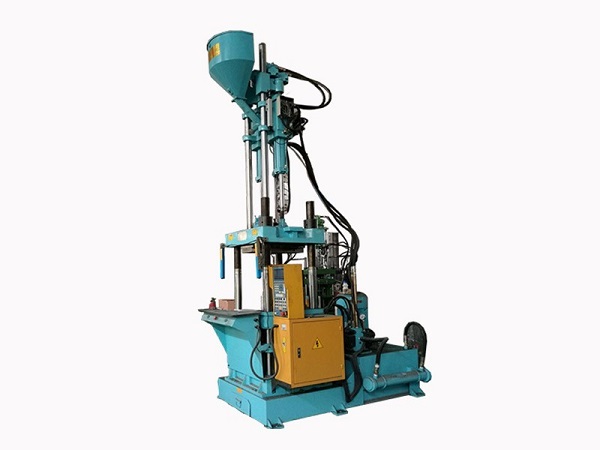
Automation Level and Production Efficiency
A key consideration in assessing a slipper moulding machine is the level of automation:
Fully Automated vs Semi-Automated Operation: Although a fully automatic slipper moulding machine might have a higher initial cost, it can significantly reduce labor costs and improve production efficiency.
Production Cycle Time: Good quality equipment usually minimizes the production cycle time for each pair of slippers.
Multi-Station Configurations: Multi-station configurations are common in advanced slipper sole making machines, allowing for multiple pairs to be produced at once.
It is important to identify the appropriate degree of automation based on your production needs to find the balance between efficiency and investment cost.
Mould Configuration and Flexibility
The mould system has a direct effect on product variety and conversion efficiency:
Mould Changeover Time: Quality equipment should enable quick changeovers of moulds to reduce downtime.
Mold Compatibility: A feature of a high-quality slipper moulding machine would be versatile in terms of being able to fit in a number of different molds possessing different shapes, sizes, as well as materials.
Mold Precision: A mold system with high precision allows to realization of stable dimensions of the products with a reduction of waste.
Temperature control system: To keep the finished product quality, the mould temperature should be controlled accurately.
A flexible mould system, as a result, allows for the manufacture of a variety of products, thus increasing equipment flexibility and ROI.
Compatibility and Material Handling
Modern slippers are made from a host of materials, so compatibility with your materials is a key consideration:
Material Compatibility: A top-tier machine should be able to handle several other materials, like PVC, EVA, TPR, rubber, etc.
Material Supply System: The automatic feeding system guarantees a constant supply of materials while minimizing the need for manual intervention.
Waste Recycling System: An efficient waste recycling system will reduce material wastage also thus bring down the cost of production.
The material compatibility of the slipper sole sheet making machine directly affects its product diversification ability and production cost control ability.
Control Systems and User Interface
The intelligent control system simplifies the operation and improves the precision of the production:
PLC Control System: High-end machines utilize programmable logic controllers(PLC) to deliver accurate and reliable performance.
Easy Operation: A human-machine interface with a touchscreen minimizes the operation learning curve.
Parameter Memory Function: The recorded parameters of production for all products can be stored to facilitate production.
Remote Monitoring Functionality: Machines with remote monitoring and fault diagnosis can lower maintenance costs.
Apart from facilitating operational control, an intelligent control system can analyze data to optimize production parameters, ultimately improving product quality.
Energy Efficiency and Environmental Performance
As environmental regulations become more stringent, the energy efficiency of machinery is becoming a major consideration:
Energy Efficiency: Low energy use due to efficient heating and accurate temperature control.
Noise Control: The low noise operation not only increases the improvement of the working conditions but also meets the environmental standards.
Exhaust Handling: Efficient exhaust collection and treatment systems are used to minimize environmental footprint.
With emerging trends like sustainable and energy-efficient solutions, energy-efficient and eco-friendly slipper moulding machines reduce operational costs and fulfill these trends.
Conclusion: A full assessment is the solution for selecting the right equipment
In this way, selecting a high-quality slipper moulding machine involves a thorough consideration of factors such as automation level, mold system, material compatibility, control system, and environmental performance. The right equipment must satisfy current production requirements while also having enough versatility to accommodate product changes down the line. Other parameters such as the after-sales service of the supplier, availability of the spare parts, technical support, etc., are also considered. These factors play such significant roles in the operation of the slipper moulding machine, and ideally, manufacturers need to make careful assessments of all of them before making a purchasing decision that aims at higher production efficiency and better product quality.