




Discover the Magic of Plastic Shoes Injection Molding Machine!
 Jul 23, 2025|
 View:1181
Plastic shoes injection molding machines represent a groundbreaking approach to footwear manufacturing. These specialized machines transform raw plastic materials into finished shoe components through a precise molding process. By forcing heated, liquefied plastic into carefully designed shoe molds, manufacturers can produce everything from delicate sandal straps to durable boot soles with remarkable consistency. This technology has transformed footwear manufacturing, enabling mass production, intricate designs, and cost savings. In this guide, we’ll break down how these plastic shoe injection molding machines work, their benefits, and how to choose the right one for your needs.
Introduction to Plastic Shoes Injection Molding Machine
Plastic shoe injection molding machines are the backbone of footwear production. They melt raw plastic (like TPU, PVC, or PU) and inject it into molds to create durable, lightweight soles and shoe components.
Working Principle of Plastic Shoes Injection Molding Machine
The magic of plastic shoes injection molding lies in a precise, repeatable four-step process that turns raw plastic into finished shoe parts. Let’s break down how it works:
Plastic Melting (Plasticization): The process starts with plastic resin pellets being fed into a hopper, which funnels them into a heated barrel. Inside the barrel, a rotating screw pushes the pellets forward while heaters along the barrel walls raise the temperature to between 150°C and 300°C (depending on the plastic type). This heat, combined with friction from the screw, melts the pellets into a viscous, molten liquid—think of it as "plastic syrup."
Injection: Once the plastic is fully melted and homogenized, the screw shifts forward, acting like a piston to inject the molten plastic into a closed mold at high pressure (typically 100 to 2000 bars). This pressure ensures the liquid plastic fills every nook and cranny of the mold, capturing even the finest details, such as texture patterns or brand logos on the shoe’s surface.
Cooling & Solidification: The mold, often made of steel or aluminum, is designed with internal cooling channels. As the molten plastic fills the mold, cold water circulates through these channels, rapidly cooling the plastic until it hardens into the exact shape of the mold cavity—whether it’s a shoe sole, upper, or heel.
Ejection: Once the plastic is fully solidified (usually in 10 to 60 seconds, depending on the part size), the mold opens, and ejector pins push the finished shoe component out onto a conveyor belt. The mold then closes again, ready for the next cycle.
This seamless, automated loop—melting, injecting, cooling, ejecting—can repeat hundreds of times per hour, making it ideal for mass production. Advanced sensors that monitor temperature, pressure, and cycle time, ensuring every shoe part matches the exact specifications of the first.
Advantages of Plastic Shoes Injection Molding Machine
Unmatched Efficiency: With cycle times as short as 10 seconds for small parts (like shoe straps) and up to 2 minutes for larger soles, these machines outpace traditional manufacturing methods (e.g., casting or cutting) by a factor of 10 or more. This speed translates to higher output and faster time-to-market for new shoe designs.
Precision & Consistency: Molds are engineered to tolerances as tight as 0.01mm, ensuring every shoe component—whether it’s a sole’s tread pattern or an upper’s ventilation holes—is identical. This consistency eliminates fit issues and reduces waste from defective parts.
Cost Savings: Automation cuts down on labor costs, while efficient material usage (up to 95% of plastic is converted into usable parts) minimizes waste. Additionally, molds can last for hundreds of thousands of cycles, spreading their cost over large production runs.
Material Versatility: From flexible TPR (used in athletic shoe soles) to rigid PVC (for rain boots), the machine adapts to different plastics by adjusting temperature and pressure settings. This flexibility lets manufacturers produce a wide range of shoe styles with a single machine.
Eco-Friendliness: Modern machines are designed to reduce energy consumption with variable-speed motors and heat-recovery systems. They also support the use of recycled plastics, aligning with growing demand for sustainable manufacturing.
Types of Plastic Shoes Injection Molding Machine
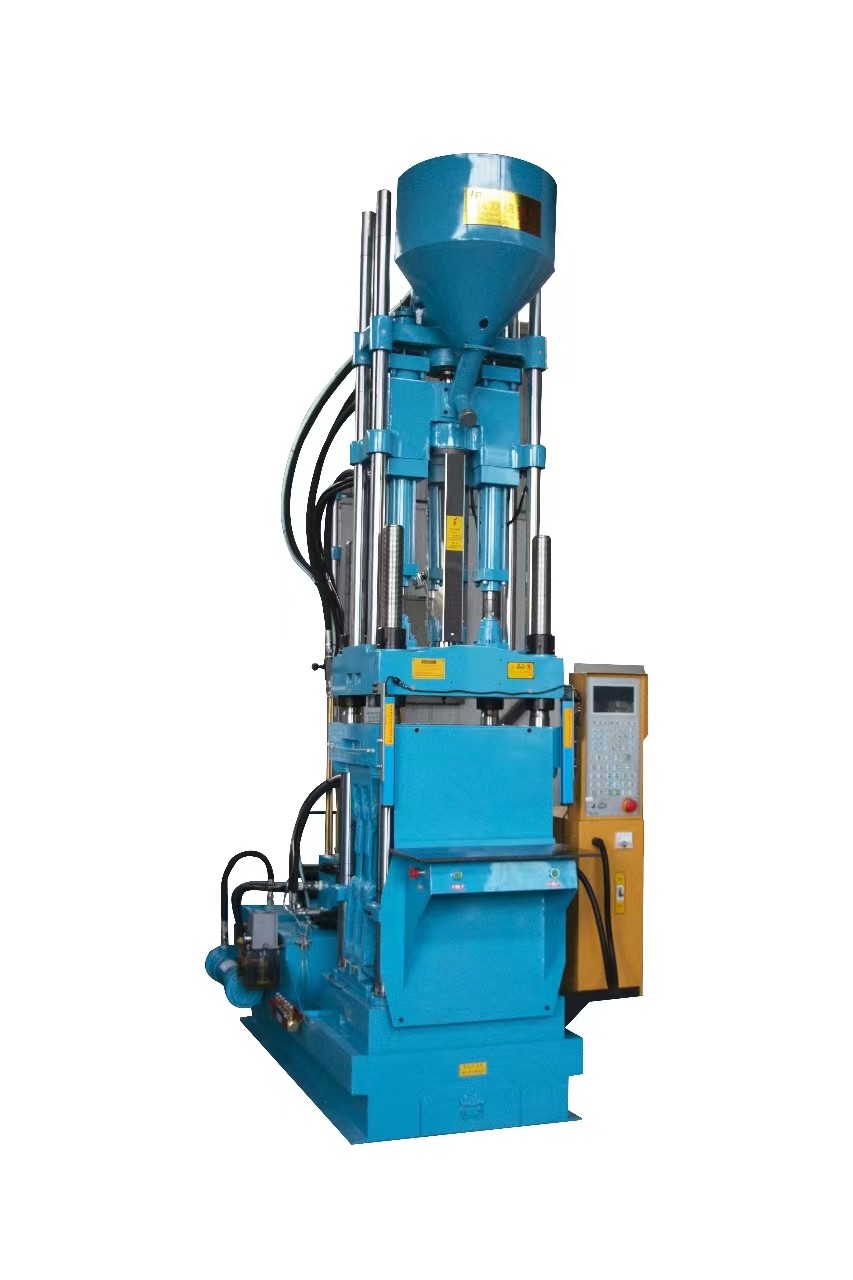
Vertical injection moulding machine
Structure: the injection device and the clamping device are arranged vertically, the mold is opened and closed up and down, the area is small, and it is suitable for insert molding (such as shoe sole embedding metal parts) .
Advantages: high precision, easy positioning of inserts, suitable for small batch and multi-variety production.
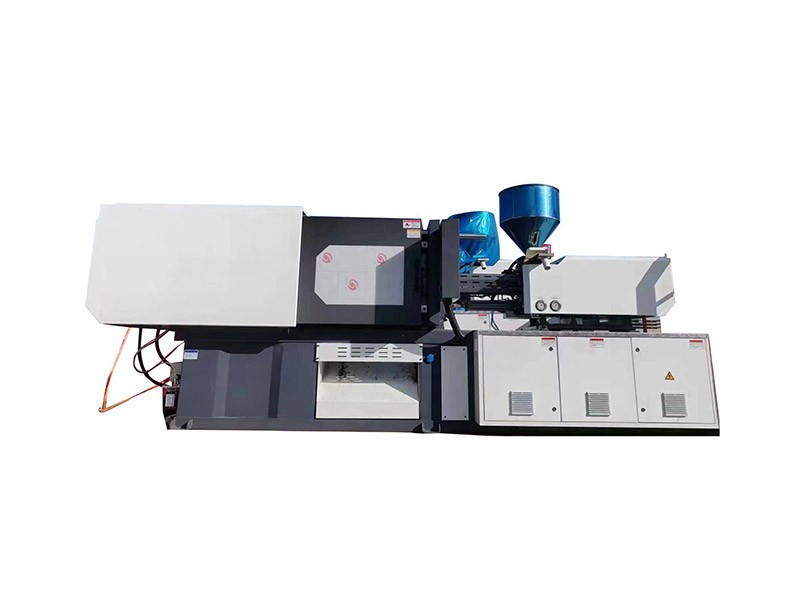
Horizontal type injection molding machine
Structure: the injection device and the mold closing device are arranged horizontally, and the mold is opened and closed horizontally, which is suitable for large-scale sole production.
Advantages: strong stability, easy integration of automation, suitable for mass production.
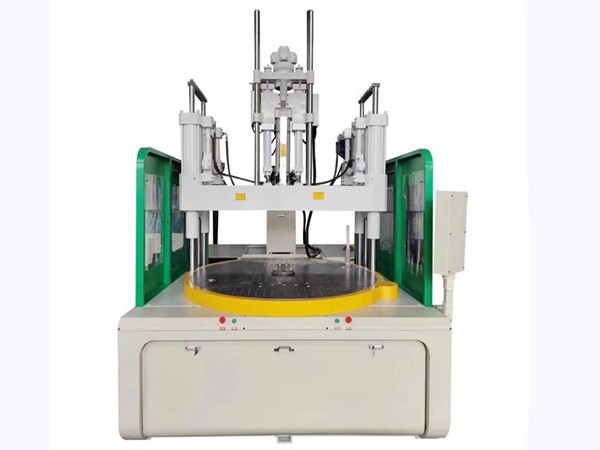
Vertical Rotary Platen Injection Molding Machine
Structure: disc as the carrier, through the rotation to achieve multi-station cycle operation, suitable for efficient, multi-color production.
Advantages: high space utilization, fast production rhythm, can integrate a variety of auxiliary equipment (such as blowing device) .
Applications for the Plastic Shoes Injection Molding Machine
Despite their name, which implies they are for shoes only, these machines produce an array of plastic products:
Footwear: Slippers, sandals, rain boots, athletic shoe soles, and shoe straps.
Automotive: Plastic parts such as door handles, cup holders and interior trim (much of it made of the same materials as shoe parts).
Use case on the medical front: Disposable plastic tools, parts of syringes, also protective equipment using the machine’s precision, hygienic environment.
Consumer goods: Toys, kichenware and storabox (exploiting the machine flexibility for shaping complex).
This multi-industry application also makes the Plastic Shoes Injection Molding Machine a valuable tool for manufacturers seeking to expand their product offerings.
How to Choose the Right Plastic Shoes Injection Molding Machine
Choosing the appropriate injection molding machine for plastic shoe production requires careful evaluation of several crucial factors:
Production Requirements
The complexity of your footwear designs directly determines the machine specification needed. Simple footwear like slippers or flip-flops can be efficiently produced using standard single-stage machines. However, more sophisticated designs such as athletic sneakers or fashion heels typically demand advanced two-stage systems to accommodate their structural complexity.
Technical Specifications
Modern machines offer various specialized features that can significantly impact production quality. Critical features to evaluate include:
Precision temperature regulation systems
Automated pressure control
Multi-color injection capabilities
Energy efficiency ratings
Financial Considerations
A comprehensive cost analysis should encompass:
Initial investment costs
Long-term operational expenses
Potential return on investment
Energy consumption rates
Maintenance Factors:
Availability of spare parts
Technical support accessibility
Expected service intervals
Ease of routine maintenance procedures
By thoroughly evaluating these four key areas - production needs, technical capabilities, financial implications, and maintenance requirements - manufacturers can make informed decisions that align with both their immediate production goals and long-term business objectives. This strategic approach ensures optimal machine selection that delivers both quality output and operational efficiency.
Tips for Operating a Plastic Shoes Injection Molding Machine
Follow these 5 best practices:
Preheat molds to avoid defects like flow lines.
Monitor moisture,Wet pellets cause bubbles (keep humidity <0.02%).
Clean screws regularly to prevent material degradation.
Record settings for repeat jobs (pressure, temperature, cycle time).
Train operators on emergency stops and basic troubleshooting.
Plastic Shoes Injection Molding Machine Maintenance
Daily:
Check hydraulic oil levels.
Remove debris from molds.
Monthly:
Lubricate moving parts.
Inspect electrical connections.
Yearly:
Replace worn screws and seals.
Calibrate sensors and pressure valves.
Troubleshooting Plastic Shoes Injection Molding Machine
Problem: Short Shots (Incomplete Filling)
Cause: Low injection pressure or cold mold.
Fix: Increase pressure/temperature; check for clogged nozzles.
Problem: Warped Soles
Cause: Uneven cooling.
Fix: Adjust cooling time; ensure mold vents are clear.
Problem: Flash (Excess Plastic)
Cause: Worn mold or insufficient clamping force.
Fix: Tighten clamps; repair mold edges.
Conclusion:
Plastic shoe injection molding machines offer speed, precision, and versatility—whether you’re making rugged boots or stylish sneakers. For a machine that matches your needs, partner with Honled, a trusted plastic shoe injection molding machine manufacturerwith 20+ years of expertise.They can provide tailored solutions based on your machine model, offering quality machines and comprehensive support to help you succeed.
Recommended Products
pvc shoe injection moulding machine
Professional PVC/TPR Slipper Sole Making & Moulding Machine

PVC/TPR Sole Moulding Machine丨 Professional Shoe Injection System
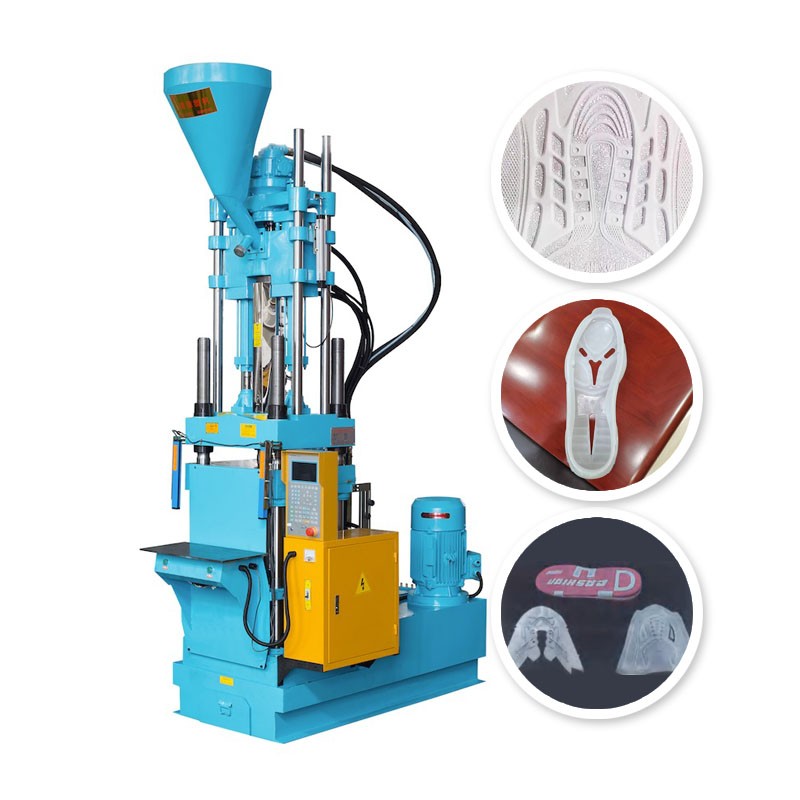
PU Sole Injection Molding Machine 丨Vertical Type Shoes Making Machine
Basic-type Shoe Sole Injection Machine
Footwear Injection Moulding Machine | Shoe sole injection molding machine
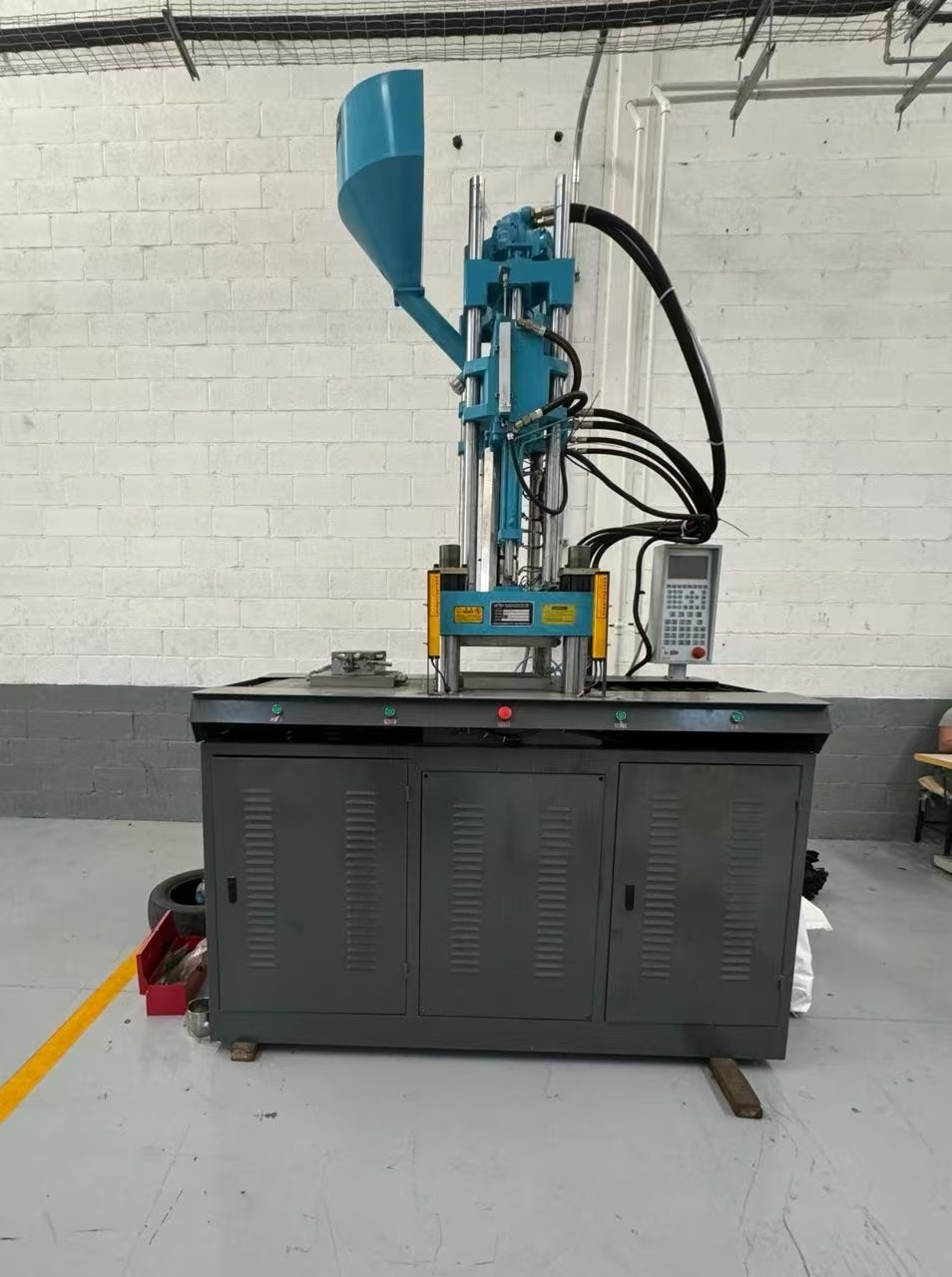
Vertical Type PVC Upper Injection Moulding Shoe Machine

Recent News
1.What is the machine used in shoe sole making?
2024-06-202.What is an auto injection machine?
2024-09-243.What is double colour injection moulding machine?
2024-09-094.How much does a plastics moulding machines cost?
2024-09-025.How much does an industrial plastic injection molding machine cost?
2024-08-236.Advantages of Sole Injection Molding Machines
2024-10-21