



What is the difference between horizontal and vertical injection molding machines?
 Jul 16, 2025|
 View:1596
Injection molding machines play a crucial role in plastic manufacturing, with functions often comparable to extruders. Among the various types available, horizontal and vertical injection molding machines are the most common, each offering distinct features and benefits suited to different applications. This article explores the differences between these two types of machines, with a special focus on how vertical injection molding machines are utilized in the shoe industry, particularly for processing materials like PVC, TPR, and TPU.
1. Appearance and Structure
Horizontal Injection Molding Machines
Horizontal injection molding machines typically have a long, horizontal body. The injection unit and the clamping unit are arranged horizontally. This layout results in a machine that is relatively long and wide. The length of the machine is mainly determined by the size of the injection unit and the stroke of the clamping unit. The width is related to the size of the mold and the space required for the movement of the clamping mechanism. For example, in large - scale industrial settings where space is not a major constraint, the horizontal layout allows for easy access to the machine for maintenance and operation. The overall height of a horizontal injection molding machine is usually lower compared to its length and width, which is beneficial for installations in factories with lower ceiling heights.

Vertical Injection Molding Machines
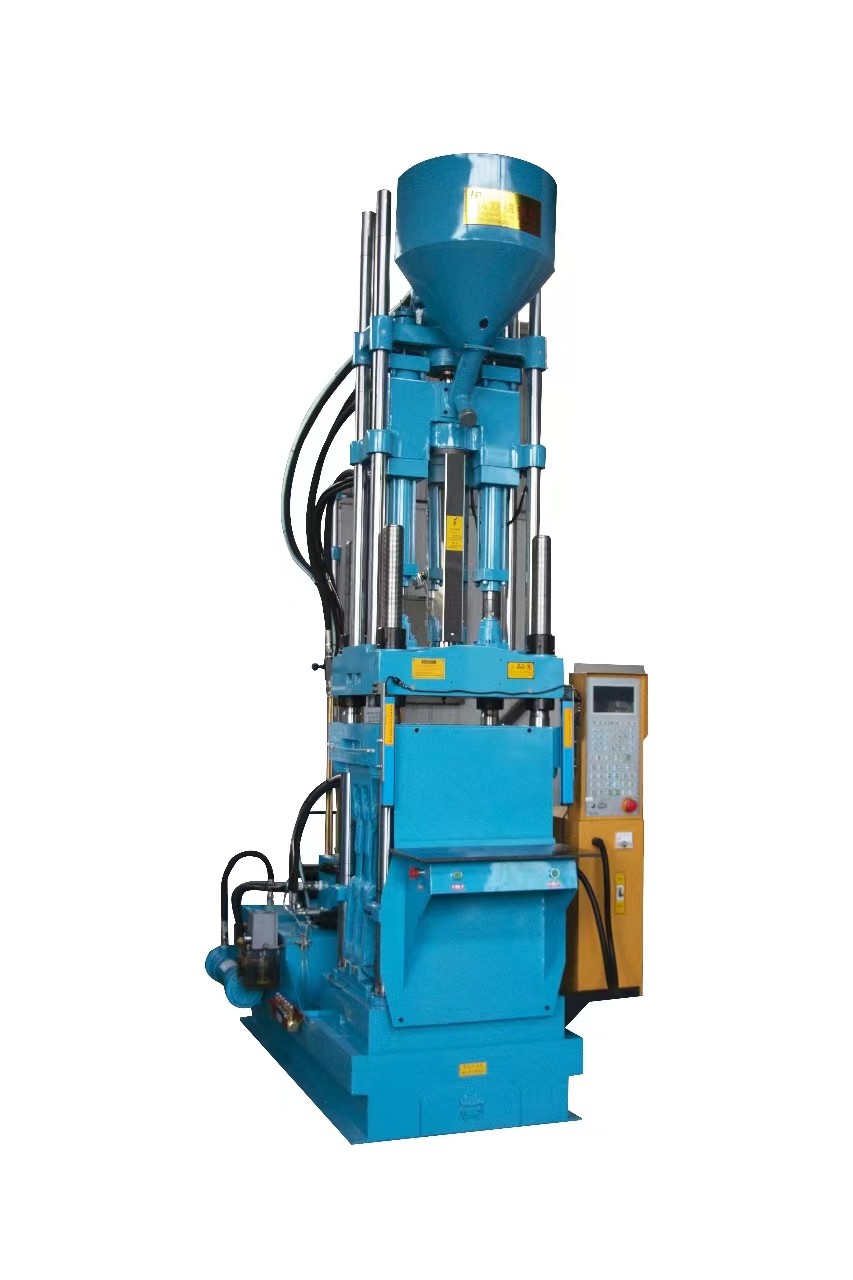
Vertical injection molding machines, as the name implies, have a vertical structure. The injection unit is located above the clamping unit, and the mold opens and closes vertically. This design makes the machine taller but significantly reduces its footprint. In terms of dimensions, vertical injection molding machines can be as much as half the footprint of their horizontal counterparts. This compact size is a major advantage in areas where space is limited, such as in small - scale manufacturing workshops or in regions where real estate costs are high. However, due to their vertical structure, they require a taller working area to accommodate the height of the machine, especially during the mold - changing process.
2. Working Principle
Horizontal Injection Molding Machines
In a horizontal injection molding machine, the plastic material is first fed into a heated barrel. The screw inside the barrel rotates, melting the plastic and pushing it forward. When the required amount of molten plastic is accumulated at the front of the screw, the screw moves forward (in a horizontal direction) to inject the plastic into the closed mold cavity. The mold, which is held horizontally between the stationary and moving platens of the clamping unit, remains in a horizontal position throughout the injection, cooling, and ejection processes. After the plastic has cooled and solidified in the mold, the clamping unit opens horizontally, and the finished product is ejected from the mold, usually by an ejector system that pushes the part out of the mold cavity.
Vertical Injection Molding Machines
For vertical injection molding machines, the working principle has some similarities but also distinct differences. The plastic material is also fed into a heated barrel and melted by a rotating screw. However, the injection of the molten plastic occurs vertically downwards into the mold cavity. The mold is positioned vertically, with the upper part of the mold being fixed and the lower part being movable for opening and closing. Once the plastic is injected, it cools and solidifies in the vertical mold. After the cooling period, the lower part of the mold moves downwards vertically, and the product can be ejected. This vertical injection and mold - opening process has its own advantages, especially when dealing with certain types of materials and product designs.
3. Application Scenarios
Horizontal Injection Molding Machines
Horizontal injection molding machines are highly versatile and are widely used in various industries. They are well - suited for producing large - sized plastic products. For example, in the automotive industry, they are used to manufacture large plastic parts such as bumpers, dashboards, and car body panels. In the packaging industry, they can produce large plastic containers and boxes. Their horizontal layout allows for easy handling of large molds and the efficient injection of large volumes of molten plastic. The stability provided by the horizontal structure is beneficial when dealing with high - pressure injection processes required for large - scale production.
Vertical Injection Molding Machines
Vertical injection molding machines have their own niche applications. One of the most prominent areas is the shoe manufacturing industry.
When it comes to producing shoe soles, vertical injection molding machines offer several advantages. For PVC, TPR, and TPU shoe materials, which are commonly used in sole manufacturing, the vertical injection process can ensure better material flow. These materials need to be evenly distributed in the mold to create a consistent sole with the right thickness and texture. The vertical injection allows gravity to assist in the filling of the mold cavity, reducing the risk of air pockets or uneven material distribution. For example, in the production of thick - soled shoes like hiking boots or work boots, the vertical injection molding machine can accurately inject the appropriate amount of material into the mold, resulting in a high - quality sole that can withstand heavy use.
In addition to soles, vertical injection molding machines can also be used for certain types of shoe upper manufacturing. Some modern shoe designs incorporate plastic or TPU elements in the upper for added support, breathability, or aesthetic purposes. Vertical injection molding can be used to create these components. The ability to insert pre - formed materials or inserts into the mold easily, which is a characteristic advantage of vertical injection molding machines, is useful in shoe upper production. For instance, when creating a shoe upper with integrated plastic support structures, the inserts can be placed accurately in the vertical mold before the injection process, ensuring a secure and precise connection between the different parts.
Plastic shoe injection molding machine
Vertical injection molding machines are also beneficial in the overall shoe manufacturing process as they can be integrated into automated production lines more easily in some cases. Their compact size allows for better space utilization in a factory layout dedicated to shoe production. The vertical orientation of the machine also makes it easier to incorporate robotic arms or other automated handling systems for tasks such as inserting inserts, removing finished products, and transporting them to the next stage of the production process.
4. Other Differences
Installation and Space Requirements
As mentioned earlier, horizontal injection molding machines require more floor space due to their long and wide structure. They need to be installed in an area with sufficient room for the machine to operate, for the mold to be changed, and for any associated equipment such as material handling systems. In contrast, vertical injection molding machines are ideal for installations where space is at a premium. Their smaller footprint makes them suitable for workshops or factories with limited floor space. However, they do require a taller ceiling height to accommodate their vertical structure.
Mold Handling and Insertion
For horizontal injection molding machines, mold handling can be more complex, especially for large molds. The horizontal orientation means that the mold needs to be moved horizontally into place, which may require specialized equipment such as overhead cranes or large - capacity forklifts. Inserting inserts into the mold can also be more challenging in a horizontal setup as the inserts need to be carefully positioned in a horizontal plane. In vertical injection molding machines, mold handling is often simpler in terms of the vertical movement required for installation. Inserting inserts is much easier because the mold surface is vertical, and inserts can be placed from above or below, depending on the design. This ease of insert insertion is a significant advantage in applications like shoe manufacturing, where inserts are commonly used for features such as decorative elements or reinforcement.
Production Efficiency
Horizontal injection molding machines are generally known for their high production efficiency in large - scale production runs. They can be configured with high - speed injection units and large - capacity clamping systems, allowing for rapid production of a large number of parts. The horizontal layout also enables better integration with automated material handling and part - removal systems, further enhancing productivity. Vertical injection molding machines, while they may not have the same high - volume production capabilities in some cases, can be very efficient in producing smaller - sized, more intricate parts. In the shoe manufacturing industry, where the production may involve a variety of different shoe sizes and designs, the ability of vertical injection molding machines to handle inserts and produce high - quality parts with relatively quick change - over times can contribute to efficient production.
Conclusion
Both horizontal and vertical injection molding machines have unique advantages tailored to different manufacturing needs.
Horizontal machines excel in high-volume, large-part production, making them ideal for automotive and packaging industries.
Vertical machines are space-efficient and better for insert molding, particularly in footwear manufacturing (soles, uppers, and multi-material components).
For shoe manufacturers looking for precision, efficiency, and compact design, vertical injection molding machines offer the perfect solution.

Recommended Products
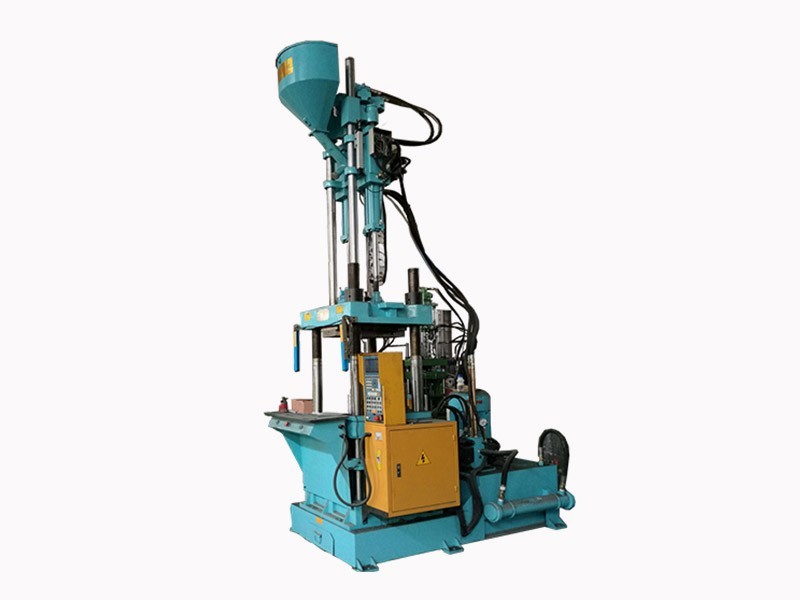
pvc shoe injection moulding machine
Professional PVC/TPR Slipper Sole Making & Moulding Machine

Professional TPR Sole Making Machine
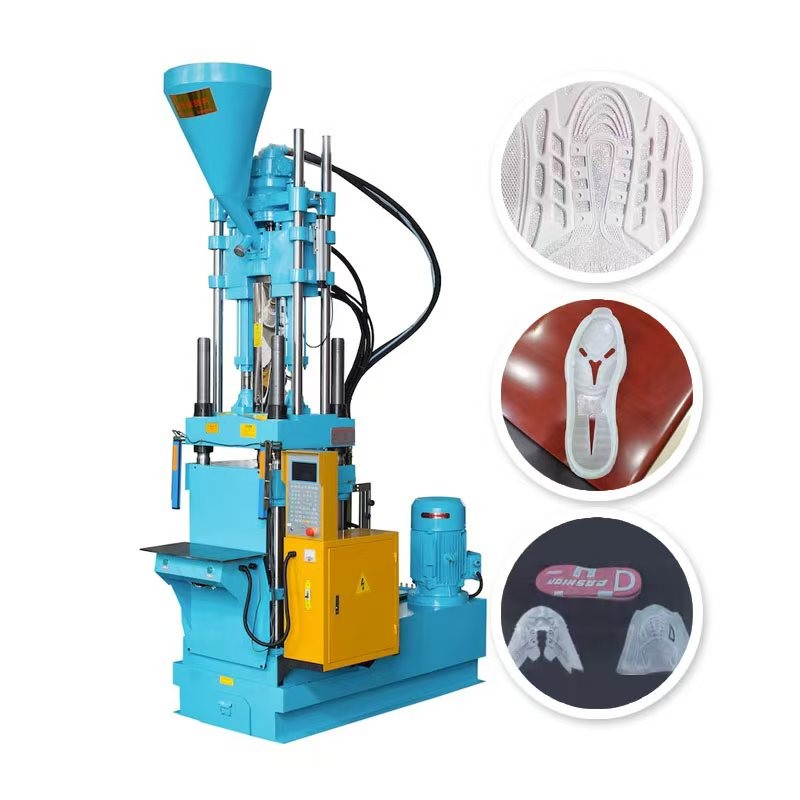
Double Color PVC Sole Injection Machine
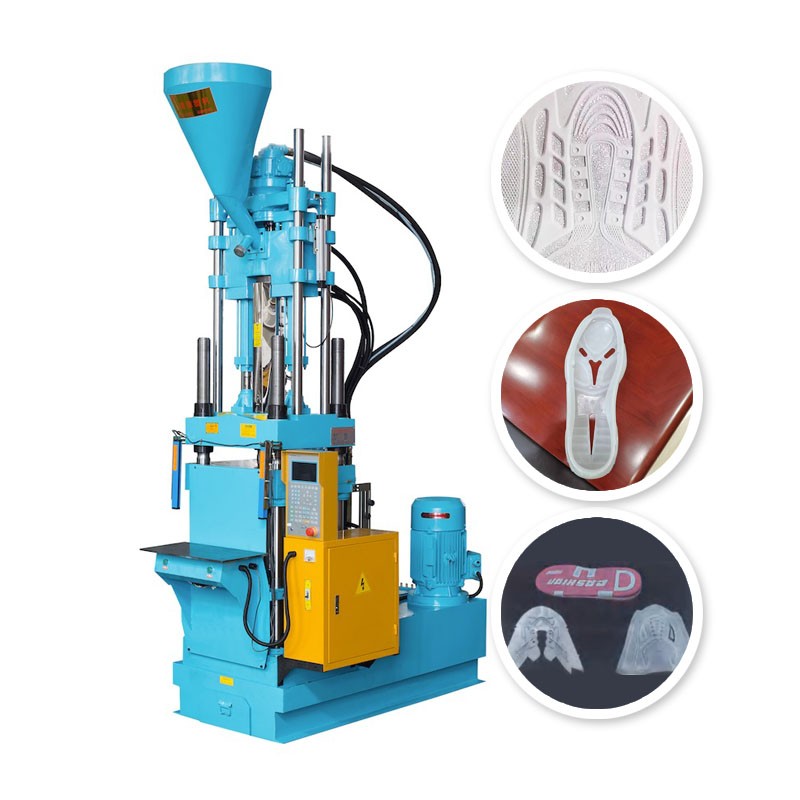
Basic-type Shoe Sole Injection Machine
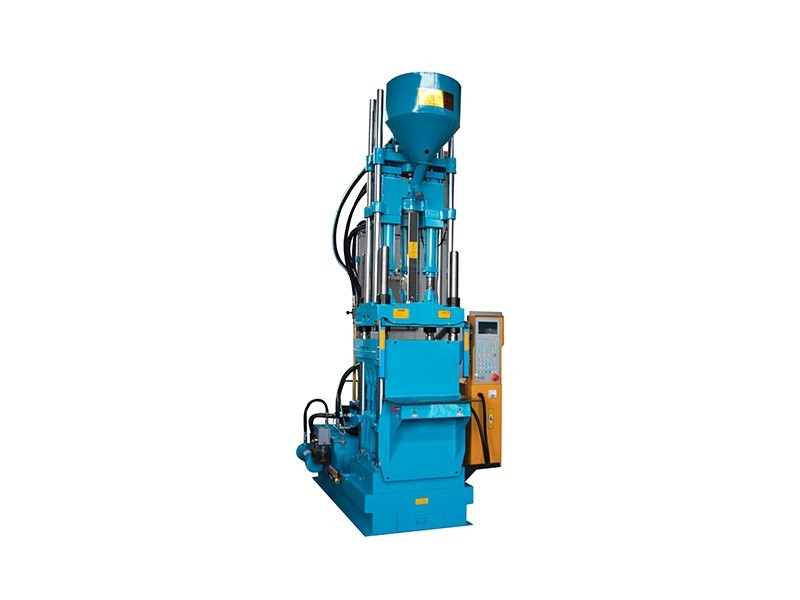
PVC shoe upper Injection Molding Machine丨shoe injection machine
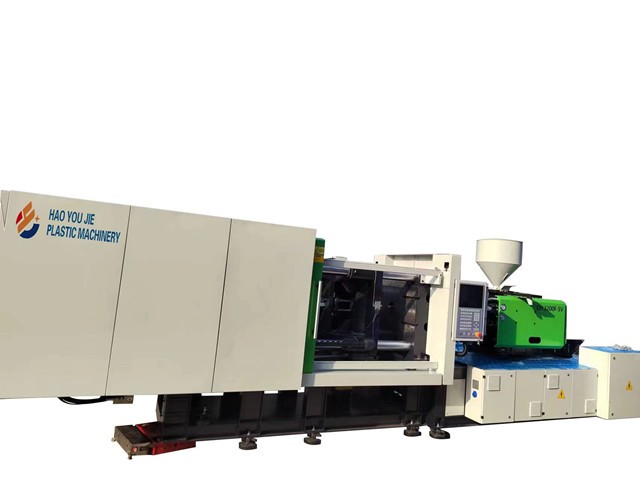
HYJ-3600 360 Ton Horizontal Hi Tech Injection Molding Machine For Sale

Recent News
1.What is the machine used in shoe sole making?
2024-06-202.Understanding PVC Sole Making Machines: A Comprehensive Overview
2024-10-173.Safety Helmet Injection molding machine Guide
2024-10-114.The best shoe sole molding machine manufacture
2024-10-085.How much does a plastics moulding machines cost?
2024-09-026.Advantages of Sole Injection Molding Machines
2024-10-21