



Understanding PVC Sole Making Machines: A Comprehensive Overview
 Oct 17, 2024|
 View:1815
PVC sole making machines are vital in the footwear manufacturing industry, specifically designed for producing soles made of polyvinyl chloride (PVC). PVC is a popular material for shoe soles due to its durability, flexibility, and resistance to various environmental factors. This article delves into the workings, types, applications, advantages, and considerations related to PVC sole making machines.
What is a PVC Sole Making Machine?
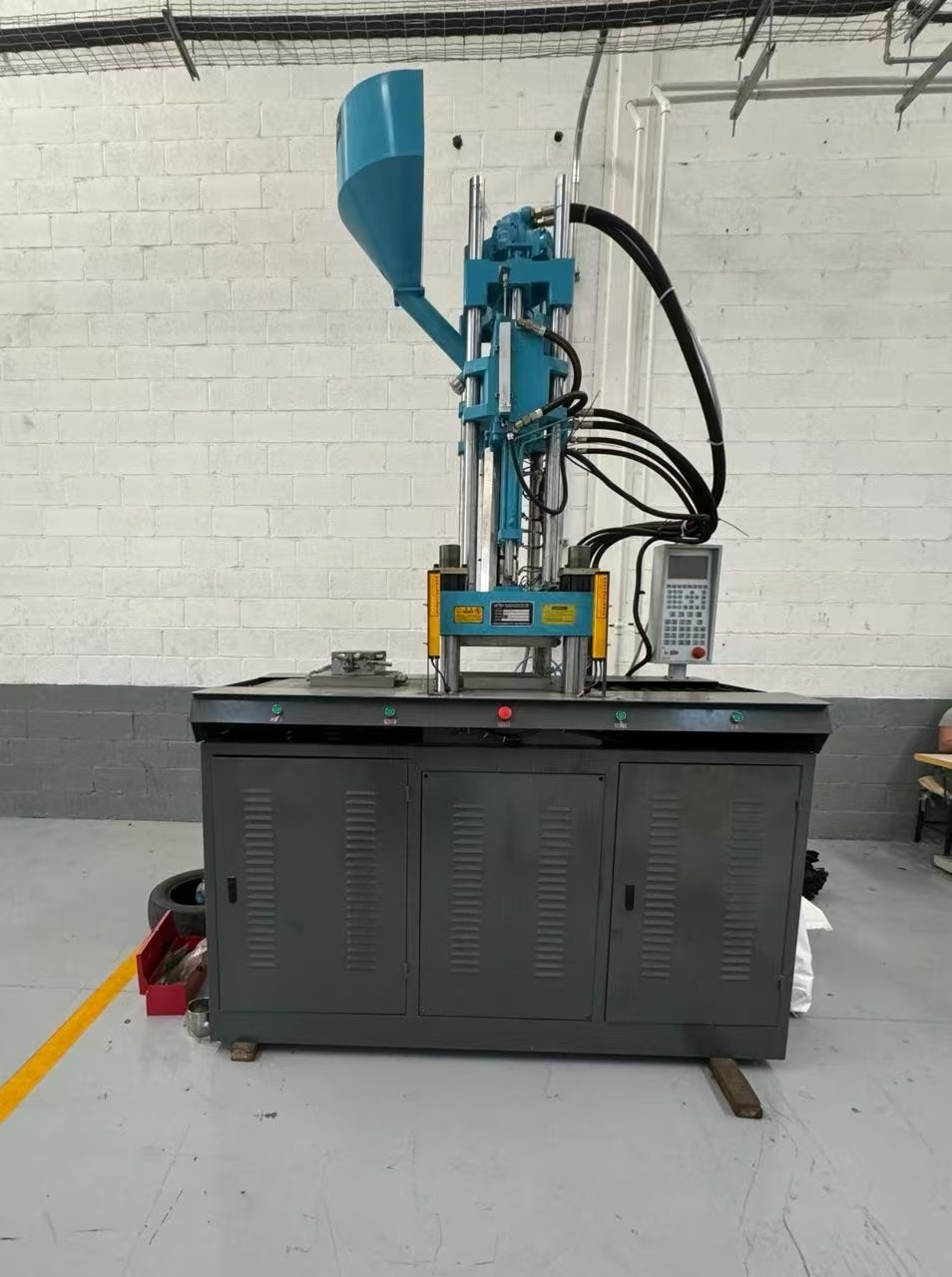
A PVC sole making machine is a specialized piece of equipment used to manufacture shoe soles from PVC material. These machines can perform various functions, including the mixing, molding, and finishing of PVC soles, streamlining the production process and ensuring high-quality output.
Key Components of PVC Sole Making Machines
Mixing Unit: The mixing unit is crucial for combining PVC resin with additives, colorants, and stabilizers to achieve the desired properties of the sole. This step ensures that the material has uniform consistency and quality.
Molding Unit: This unit shapes the mixed PVC into the final sole design. There are two primary methods of molding: injection molding and compression molding. Injection molding involves injecting the PVC mixture into a mold under high pressure, while compression molding uses heat and pressure to shape the material.
Heating System: The heating system is essential for softening the PVC during the molding process. Proper temperature control ensures that the material flows effectively into the mold and solidifies correctly.
Cooling System: After molding, the soles need to cool down before they can be removed from the mold. The cooling system helps to expedite this process, improving production efficiency.
Finishing Unit: Once the soles are molded and cooled, the finishing unit may perform various operations, such as trimming excess material, adding textures, or applying coatings to enhance the sole's appearance and performance.
Types of PVC Sole Making Machines
PVC sole making machines come in various types, each designed for specific production needs:
Injection Molding Machines: These machines use the injection molding process to produce PVC soles. They are highly efficient, capable of producing complex designs with high precision. Injection molding machines are suitable for large-scale production.
Compression Molding Machines: Compression molding machines are used for producing thicker soles or components that require extensive heating. This method is often preferred for its ability to create durable and robust soles.
Rotary Molding Machines: Rotary molding machines utilize a rotating mold to ensure even distribution of material. This type of machine is effective for producing soles with unique shapes and patterns.
Automatic Sole Making Machines: These machines integrate various processes into a single unit, significantly enhancing production efficiency. They often include automated feeding, mixing, molding, and finishing operations.
Semi-Automatic Sole Making Machines: These machines require some manual intervention but still offer efficiency and consistency in production. They are suitable for smaller operations or custom designs.

Applications of PVC Sole Making Machines
PVC sole making machines are widely used in the footwear industry for various applications:
Casual and Sports Footwear: PVC soles are commonly used in casual and sports shoes due to their durability, flexibility, and lightweight nature. The machines can produce soles that provide comfort and support for various activities.
Sandals and Flip-Flops: The flexibility and water resistance of PVC make it an ideal material for sandals and flip-flops. PVC sole making machines are capable of producing a wide range of designs, catering to fashion trends.
Work and Safety Shoes: PVC soles are often used in work and safety footwear due to their slip resistance and durability. Specialized machines can produce soles with enhanced features, such as electrical resistance or puncture resistance.
Children’s Footwear: The lightweight and flexible nature of PVC makes it suitable for children’s shoes, where comfort and fit are crucial. PVC sole making machines can produce smaller, customized designs to meet market demands.
Orthopedic Footwear: PVC soles can be tailored to provide additional support and cushioning for orthopedic shoes. Machines can produce specialized soles that meet specific medical and comfort requirements.
Advantages of PVC Sole Making Machines
PVC sole making machines offer numerous benefits in the manufacturing process:
Cost-Effectiveness: PVC is a relatively inexpensive material, and the efficiency of these machines helps to reduce production costs. The ability to produce high volumes in a short time enhances profitability.
Durability: PVC soles are known for their long-lasting properties. Machines can produce soles that withstand wear and tear, making them suitable for various applications.
Flexibility in Design: PVC sole making machines allow for a wide range of designs and patterns, catering to different styles and market demands. The ability to create customized molds enhances creativity in footwear design.
Environmental Resistance: PVC soles are resistant to moisture, chemicals, and UV light, making them suitable for outdoor and industrial applications. Machines can produce soles that maintain their properties even in harsh conditions.
Speed and Efficiency: Modern PVC sole making machines are designed for high-speed production, significantly reducing lead times. Automated processes enhance consistency and minimize human error.
Considerations When Choosing PVC Sole Making Machines
When selecting a PVC sole making machine, several factors should be considered:
Production Capacity: Determine the production volume required to meet business needs. Machines come in various capacities, and selecting the right one is essential for efficiency.
Type of Sole: Consider the type of soles to be produced (e.g., thick, thin, complex designs). Different machines may be better suited for specific applications.
Automation Level: Evaluate the desired level of automation. Fully automatic machines may offer higher efficiency but come with a larger investment, while semi-automatic machines may be more cost-effective for smaller operations.
Material Compatibility: Ensure that the machine is compatible with the specific type of PVC material to be used, as variations in PVC can affect the production process.
Maintenance and Support: Consider the availability of spare parts and technical support for the machine. Reliable maintenance is crucial for minimizing downtime and ensuring longevity.
PVC sole making machines are integral to the footwear manufacturing industry, enabling the production of high-quality, durable soles for various applications. With advancements in technology, these machines have become more efficient, versatile, and capable of producing customized designs to meet market demands.
Understanding the types, applications, and advantages of PVC sole making machines allows manufacturers to make informed decisions when investing in equipment. As consumer preferences continue to evolve, the ability to adapt and innovate in sole production will remain critical for success in the competitive footwear market.
As the industry moves towards sustainability and eco-friendliness, developments in PVC materials and sole-making processes will likely shape the future of footwear manufacturing. Embracing these changes will enable manufacturers to meet consumer expectations while maintaining efficiency and quality in production.