




Safety Helmet Injection molding machine Guide
 Oct 11, 2024|
 View:1328
Safety helmets are now commonly demanded in a variety of industrial sectors such as construction, manufacturing, sports and healthcare. Manufacturers are using more and more advanced technologies such as injection molding to produce high end plastic helmets efficiently that meet the standards. Helmet manufacturing can be mass controlled only through injection molding machines built especially for making helmets that are tough, lightweight, and comfortable. In this piece, we explore the finer points of plastic helmets injection molding machines including these machines various types, benefits and considerations for builders.
What is Injection Molding?
The injection molding is a process used in manufacturing of parts by injecting the liquid material into the mould. This method is most appropriate for making many of the same item at once, so helmet manufacture fits this bill. This is usually done in few common steps of process:
Preparation of material: The thermoplastic materials like polycarbonate or ABS (Acrylonitrile Butadiene Styrene) are prepared and fed in the injection molding machinery.
1) Heating and Melting: The plastic granules are heated to a molten state.
Injection: The mold is designed, and the material the helmet made of can be a molten plastic that filled into it.
Solidifying: The hot plastic takes the shape of a cavity and converting into a solidified form.
Ejection- The finished helmet now is set ready for further works or quality checks.
Why to Produce by Injection Molding in Helmet Making
Accuracy and consistency: Helmet injections molding helmets, which create extremely exact results. Every helmet made is identical with respect to quality and safety.
Complexity: Injection molding is a process that can be used to create intricate shapes and designs, which makes it perfect for helmets that need features such as means of ventilation, padding, and a face shield.
Material Efficiency — Injection molding generally produces little if any waste, and any excess material can usually be redone or reused in the manufacturing process.
Quick Manufacturing: The system is so productive that you can produce a large number of helmets within a short span of time.
• Cost Efficient: Despite the substantial capital investment for injection molding machines, they save a lot on labor and material costs in long run especially when you deal with high volume production.
Type of Helmets Injection Molding Machine
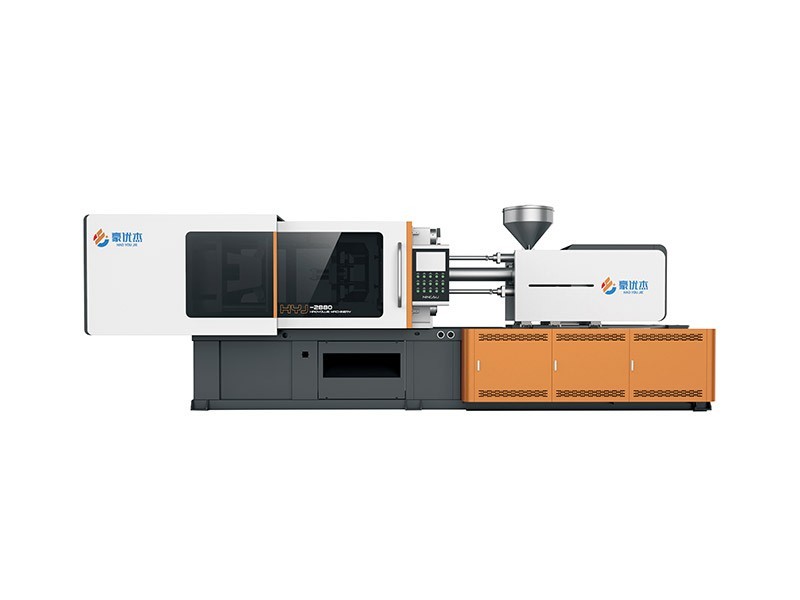
1. Horizontal injection molding machines
Helmet production mostly use the horizontal plastic injection molding machines that includes below types (from simple to complex): The horizontal injection unit places within easy reach of materials while providing the means for effective injection of molten plastic into molds. Key characteristics include:
Type: Versatile, for a variety of plastics and helmet designs
High Production: Able to make up multiple helmets in a single cycle.
Usability: User-friendly interfaces and automated systems ease the process.
2. Vertical Injection Molding Machine
Vertical injection molding machines are not widespread yet, but in some areas the reach is growing. The vertical injection unit of these machines enables unmatched mold designs and configurations. Advantages include:
Space-saving: Vertical machines can take up a lot of floorspace, making them useful for facilities with limited floor space.
PROS Multi-Component Molding: perfect for helmets that need to incorporate multiple materials, or other components (padding, face shield)
3. Double Shot Two color Injection Molding Machines
its specially developed two-shot injection molding machines have been designed for manufacturing helmets using two different materials in just one cycle. This gives the ability for manufacturers to create a helmet with two types of plastic in one mold. Benefits include:
Higher Comfort and Safety: If materials are mixed together this can increase the capacity of a helmet in terms of cushioning and impact resistance.
Minimized manufacturing: Need of assembly is also very less because a number of components are produced in single cycle so they do not need to be assembled.
Points to Keep in Mind When Selecting An Injection Molding Machine
While deciding upon an injection molding machine for plastic helmet production there are a few things that need be reckoned like;
1. Production Volume
Identify the approximate volume of production capacity that you expect to run on a day-to-day basis in order to pick a machine that can manage what may come through while still offering you quality options. Thus, high-volume production of these formers may require larger machines with multi-cavity molds.
2. Material Compatibility
Be sure the device is capable of working with the materials needed for creating helmet: polycarbonate, ABS or similar types of plastics. Different machines can handle different materials types.
3. Mold Design
And take into account the intricacy of those helmet designs In the case of more complex designs, machines capable of running multi-cavity molds or with advanced temperature control may be needed.
4. Automation and Technology
Seek systems with automation capabilities that will improve efficiency and blend a means to significantly reduce labor expenses but also the possibility of more consistent levels of production. This can even include such things as real-time monitoring systems for quality control.
5. Maintenance and Support
Select a manufacturer that provides wide-ranging technical assistance and maintenance services. This also ensures the flawless running of the machine and reduces downtime.
Plastic helmets injection molding machines are decisive for quick production of the safety helmets in many industries. Injection molding is a manufacturing method that produces parts in large quantities, and because of the precision it offers especially when producing mechanical parts/products like helmets, maintains rapid production time frames as well as cost-effectiveness. The ideal machine can be determined by a number of factors that manufacturers need to consider: production volumes, material compatibility and automation capabilities.