




How Shoe Molding Machines Work in Modern Footwear Manufacturing
 Oct 29, 2025|
 View:671
You notice the work of a shoe molding machine when you wear comfy shoes. These machines use injection molding with liquid silicone rubber. This helps make shoe parts that last longer and bend better. The process makes work faster and gives you shoes with great quality. It also allows for cool and special designs. Many brands now use additively manufactured shoe design. This helps make shoes lighter by 34%. The shoes still work well and are better for the planet.
Technology | Impact on Production Efficiency and Product Quality |
|---|---|
Liquid Silicone Rubber Injection Molding | Lets companies make strong and flexible shoes. It changes how shoes are made in factories. |
Key Takeaways
Shoe molding machines use liquid silicone rubber. This helps make shoe parts strong and bendy. It makes shoes better and look nicer.
Digital design tools help change shoe styles fast. They help use less material and make shoes quicker.
Injection molding is an important process. It shapes shoe parts very carefully. It uses materials like EVA and TPU. These make shoes comfy and last longer.
Automation in factories helps work get done faster. It makes fewer mistakes and helps make more good shoes quickly.
Modern machines save energy. This helps lower costs and is better for the planet. It makes making shoes more earth-friendly.
Shoe Design And Mold Creation
Digital Design In Footwear
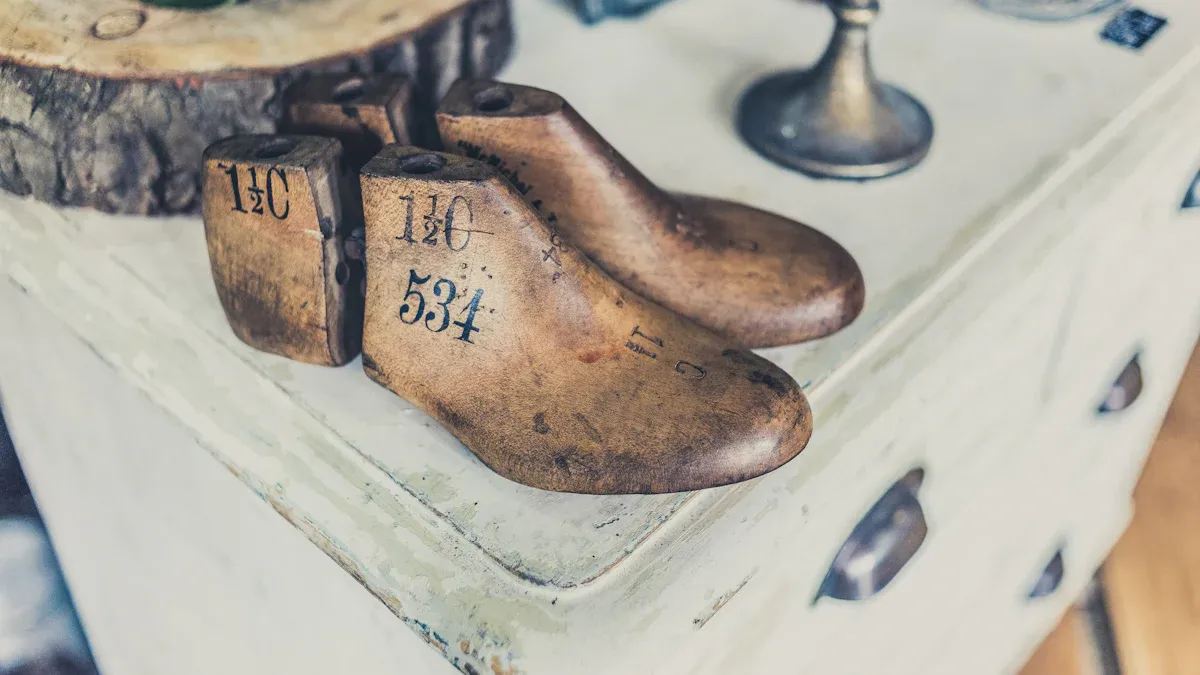
Making shoes starts with ideas and drawings. Now, people use computers to design shoes. Programs like Autodesk CAD/CAM help make flat patterns and 3D models. The Under Armour Architech shoe used this technology. You can see every part of the shoe before making it. Digital design lets you change styles fast and try new looks. 3D scanning helps you make a shoe last. Virtual tools show what the shoe will look like. You can see pattern data in 2D and 3D. This makes it easy to change sizes for your shoe line. You also use these tools to make factory papers and check costs.
Tip: Using digital design in shoes helps you use less material and waste less, so you work better.
CNC machining and 3D printing help you make test shoes. These ways let you check how the shoe looks and works before making the real mold. You can make new shoes faster and change them if people want something different. It is easier to make special shoes for each person.
Mold Materials And Methods
After you finish the shoe design, you make the mold. The mold shapes each shoe part, like the sole and upper. You can pick from different ways:
Technique | Advantages | Disadvantages |
|---|---|---|
Machine-made | Makes many shoes, costs less | Hard to change for new styles, not good for fancy designs |
Handmade | Very good quality, best for fancy shoes | Makes fewer shoes, costs more, good for medium-sized companies |
Molds can be used again, good for big batches | Costs a lot to start, takes time at first, changing designs is expensive |
You pick mold materials based on the shoe you want to make. Blow molding makes light midsoles. Die casting gives exact shapes. Rotational molding makes strong parts. 3D printing lets you change molds fast. Good molds last a long time if you take care of them. Strong molds help you make shoes people like and save money on repairs. Some molds use earth-friendly materials, which is good for nature.
Injection Molding In Footwear

How Injection Molding Works
Injection molding is important for making shoe soles and uppers. This process shapes the outsole, midsole, and other shoe parts with detail. First, you pick the right material. Polyurethane, EVA, and TPU are used a lot. These materials make shoes flexible, strong, and tough. Thermoplastic polyurethane feels like rubber and does not wear out fast. Polyurethane is light and bends easily, so shoes feel comfy. You can use solid or cellular forms. Cellular PU is lighter and good for running shoes.
When making shoes with injection molding, you follow steps:
Material Selection: Pick EVA, TPU, or PVC. Choose based on the shoe type and how strong or bendy it needs to be.
Material Fusion: The machine melts the plastic at a set heat. This makes a smooth, even mix.
Injection Molding: The melted material goes into metal molds. The molds look like the outsole or upper. You get fine details on every shoe.
Cooling and Solidification: The outsole cools and gets hard. This keeps the shape and finish the same.
Demoulding and Review: Take the outsole out of the mold. Check the shape, weight, and surface to make sure it is good.
Note: Injection molding uses less energy than autoclave methods. This helps lower greenhouse gases and is better for the earth.
Some brands use mono-material shoes. This makes recycling easier and cuts waste. You do not need to pull apart different materials. This saves time and makes less trash. It helps make shoe production greener.
You use shoe outsole tooling and sneaker rubber outsole tooling for patterns and grip. These tools shape the outsole for sports or casual shoes. Good tooling gives better grip and shoes last longer. Midsole mold designs help make the right cushion and support.
Role Of Hydraulic Machines
Hydraulic machines are very important in injection molding for shoes. They control pressure and temperature during the process. This helps you get the best outsole and upper. The machines have cooling systems. These keep the mold at the right temperature. This makes the outsole strong and smooth.
Modern machines use digital PC and PLC control systems. These let you set actions and keep things running well. Proportional hydraulic control lets you change settings for each shoe. You can set the temperature, ejected speed, and backing pressure for each plastic. The machines have automatic temperature control. You can pick the right plastifying temperature before you start. Hydraulic motors melt the material faster. This makes the process quicker.
Feature | Description |
|---|---|
Cooling System | Good cooling keeps the mold at the right temperature. This helps make better outsoles. |
Control System | Digital PC and PLC systems help run the machine smoothly. |
Hydraulic Control Components | Proportional hydraulic control lets you change settings for each shoe. |
Automatic Temperature Control | You can pick and keep the right temperature for each material. |
Hydraulic Motor | Melts the material faster and makes the process quicker. |
Adjustable Parameters | Set temperature, ejected speed, and backing pressure for each outsole. |
Dual-Ratio Control Valve | Gives better control over pressure and flow. This helps make better outsoles. |
You work with temperatures from 80 to 300 degrees Celsius. The hydraulic pump gives pressure from 140 to 175 bar. This is good for shaping the outsole and midsole mold. New injection molding technology helps you make more shoes with less waste and better quality.
Tip: To get the best shoes, pick the right material, use strong tooling, and set the machine right. This helps you make good outsoles and shoes.
Injection molding helps you make shoes faster and keep quality high. With the right machine and tools, you can make custom outsoles for any shoe. This process is changing how shoes are made.
Shoe Molding Machine Technology
Automation And Efficiency
When you go to a modern shoe factory, you see many changes. Machines now do most of the molding work. They use AI and smart controls to watch each step. You get updates right away if there is a problem. The machines can fix small issues fast. Fully automated systems cut materials and put shoes together. This means you need fewer people to work. It also saves money on paying workers.
Smart EVA shoe injection molding machines help make more shoes quickly. You see orders finished faster and less waiting time. Automated systems check each shoe for quality. This makes sure every shoe is made the same way. 3D printing helps make shoe molds and uppers in new ways. You can use fewer parts, sometimes just two instead of ten. This makes making shoes faster and easier. Automatic sewing machines help make more shoes in less time. Mistakes happen less often, with errors dropping below 1%. These new tools help you keep up with shoe trends and make your shoes worth more.
AI and machine learning help know when machines need fixing.
Automated systems control the whole shoe-making process.
Smart EVA molding machines make shoes more exact.
3D printing makes mold design and shoe building easier.
Automatic sewing makes shoes faster and with fewer mistakes.
Energy Saving Features
New shoe molding machines use special technology to save energy. In a shoe factory, you find better heating and cooling systems. These use less power and keep the mold at the right heat. Energy-saving motors only run when needed, so you do not waste power. Smart control systems change how the machine works when things are slow. This saves even more energy.
Energy-Saving Feature | Impact on Operational Costs |
|---|---|
Advanced heating and cooling systems | Uses less energy and costs less |
Energy-efficient motors | Cuts power use but still works well |
Intelligent control systems | Saves energy when the machine is not busy |
All-electric machines can save 30% to 50% more energy than old hydraulic ones. Servo motors are very exact and use less power when working. You see these in 24-station direct injection and 16-station PVC injection molding machines. These machines help you spend less money and make shoes that last longer. You get better shoes with new mold designs and better tools.
Tip: Pick machines that save energy to make your shoe factory work better and help the planet.
Finishing And Quality Control
Trimming And Detailing
The last steps in shoe molding are trimming and detailing. Workers or machines cut off extra material from the mold. This makes each shoe look neat and tidy. Mold release agents help foam soles feel smooth. Glue is put on carefully to keep shoes strong. These steps help shoes look nice and last longer.
Sometimes, problems show up during finishing. You might see too much glue or weak spots. Shoes can have scuff marks or look uneven. Some shoes are the wrong size or have metal bits inside. There can be scars or holes in the material. Bad finishing can make shoes rough or shaped wrong. AI-powered machines check for these problems fast. They collect data to help fix mistakes. People also check shoes, but they can miss things if they get tired.
Tip: Careful trimming and detailing make shoes look better and last longer.
Ensuring Comfort And Support
Shoes should feel good and support your feet. Quality control checks make sure molded shoes do this. Good sizing and fit help stop sore feet. Tests check leather, fabric, and color strength. Size checks make sure the mold gives the right shape. Other tests check how long shoes last and how safe they are.
You use different tests in shoe making:
Testing Method | Purpose |
|---|---|
3D foot scanning | Checks fit and comfort to make shoes better. |
Pressure mapping | Looks at comfort and helps stop returns. |
Fit test on test persons | Makes sure shoes fit many foot shapes. |
Entry / donning comfort | Checks how easy it is to put on shoes. |
Crease and pressure formation | Sees how shoes work when you walk. |
Heel height and stability | Tests if the heel is safe and steady. |
Measurement of inside length | Makes sure the shoe is the right size inside. |
You also check how shoes bend, resist wear, and grip the ground. Heel tests check for safety and comfort. Shoes should move with your foot. The mold must fit your foot and match your activity. Good tools and machine settings help make comfy shoes. You can change molds for different feet to make shoes better and stronger.
Note: Quality control makes sure shoes fit well, feel good, and last long. You get more comfort and fewer problems.
You can see that shoe molding machines have changed shoe making. These machines use smart tech and automation to speed up work. They help you make better shoes.
Advantage | Description |
|---|---|
Shoes look and feel the same every time. | |
Versatility | Many materials can be used for different styles. |
Sustainability | Less waste is made, which helps the planet. |
You get better shoes and more custom choices.
Factories finish shoes 30% faster now. Shoes also last 15% longer.
In the future, smarter machines will save more energy. New ways will help shoes fit you better.
FAQ
What materials do shoe molding machines use?
Shoe molding machines use EVA, TPU, polyurethane, and PVC. These materials make shoes bendy, tough, and comfy. Some factories pick eco-friendly choices to help the earth.
How do shoe molding machines help with shoe customization?
You can swap molds and change machine settings for new sizes, colors, and styles. Digital design tools let you change patterns fast. This helps you get shoes that fit what you want.
Are shoe molding machines safe to use?
These machines have safety guards and sensors to stop accidents. You should always follow safety rules and wear safety gear near the machines.
How do shoe molding machines save energy?
Modern machines have energy-saving motors and smart controls. These use less power and only work when needed. This helps you spend less and makes your factory better for the planet.