



 Nov 12, 2025
 View:2141
Ever wondered how your favorite sneakers or sandals get that perfect sole shape and comfort? It’s not magic — it’s engineering excellence. The secret lies in injection molding technology, a process that has completely transformed the footwear industry. From producing millions of identical soles to crafting custom designs, injection molding machines for shoes have made the impossible possible.
In this article, we’ll walk you through what injection molding in footwear really is, how it works, what machines are used (like the shoe sole injection molding machine), and why this technology is a game-changer for modern shoemaking.
What Is Injection Molding in Footwear?
In simple terms, injection molding in footwear is a manufacturing process where molten material—like thermoplastic rubber (TPR), EVA, or polyurethane (PU)—is injected into a mold cavity to form shoe parts such as soles, insoles, or even entire shoes.
Think of it as baking a cake. The mold acts like a cake pan, the material is your batter, and the shoe sole injection molding machine is your oven that controls heat, pressure, and timing. Once the mold is filled and cooled, out pops a perfectly shaped shoe component ready for assembly.
Why Injection Molding?
So, why are footwear manufacturers around the world turning to injection molding? Let’s break it down:
Precision: Every sole produced has consistent size, texture, and quality.
Speed: Thousands of soles can be produced daily with minimal labor.
Durability: Injection-molded soles have superior strength and wear resistance.
Cost-Effectiveness: Once the molds are made, production becomes extremely efficient.
Design Flexibility: You can easily switch designs or colors without changing the entire system.
Simply put, injection molding machines for shoes make it possible to mass-produce high-quality footwear that meets both style and performance demands.
How Does Shoe Sole Injection Molding Work?
Now, let’s dive into the fascinating process behind this technology.
Step 1: Material Preparation
The journey begins with raw materials like EVA, TPR, PVC, or PU. These are usually in the form of pellets or liquid compounds. They’re chosen based on the desired shoe properties—flexibility, comfort, or grip.
The material is loaded into the hopper of the shoe sole injection molding machine, where it’s heated until it melts into a viscous, flowable form.
Step 2: Injection into the Mold
Once molten, the material is pushed by a screw or piston into the mold cavity under high pressure. The mold is designed to the exact shape of the shoe sole or shoe component.
This is where precision engineering comes into play. The machine must inject the perfect amount of material at the perfect temperature and pressure. Too little, and the sole might have air bubbles; too much, and it can overflow or deform.
Step 3: Cooling and Solidification
After injection, the mold is cooled so the material solidifies into its final form. Cooling time varies depending on the material—PU soles cool faster than EVA, for instance.
Once cooled, the mold opens automatically, and the newly formed sole is ejected. Voilà! A ready-to-use shoe component.
Step 4: Finishing and Assembly
The finished sole may undergo minor finishing like trimming excess edges or adding textures. Then, it’s glued or stitched onto the shoe upper. Some advanced machines can even mold the upper and sole together in one go — that’s how far technology has come.
Types of Shoe Sole Injection Molding Machines
Not all injection molding machines are created equal. Each type is designed for specific materials and shoe styles. Let’s take a closer look:
1. EVA Injection Molding Machine
Used for lightweight, flexible soles — perfect for sports shoes, flip-flops, and sandals. These machines use EVA (Ethylene Vinyl Acetate) material that gives soles a soft, cushioned feel.
2. PU Injection Molding Machine
Common in safety boots, casual shoes, and work footwear. PU (Polyurethane) soles are tough, abrasion-resistant, and comfortable, making them ideal for long wear.
3. PVC Injection Molding Machine
PVC (Polyvinyl Chloride) is used for affordable, durable footwear like rain boots or slippers. PVC machines are popular due to low material costs and ease of processing.
4. TPR/TPE Injection Molding Machine
Thermoplastic Rubber (TPR) and Thermoplastic Elastomer (TPE) machines are used for soles that need rubber-like flexibility and durability. They are eco-friendly and allow easy recycling of waste materials.

Key Components of an Injection Molding Machine for Shoes
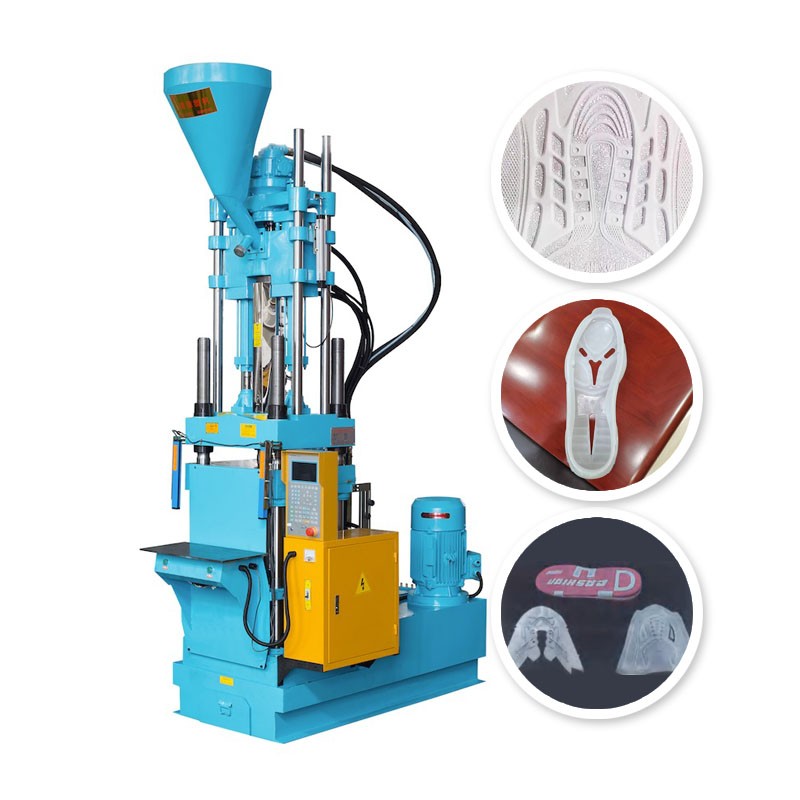
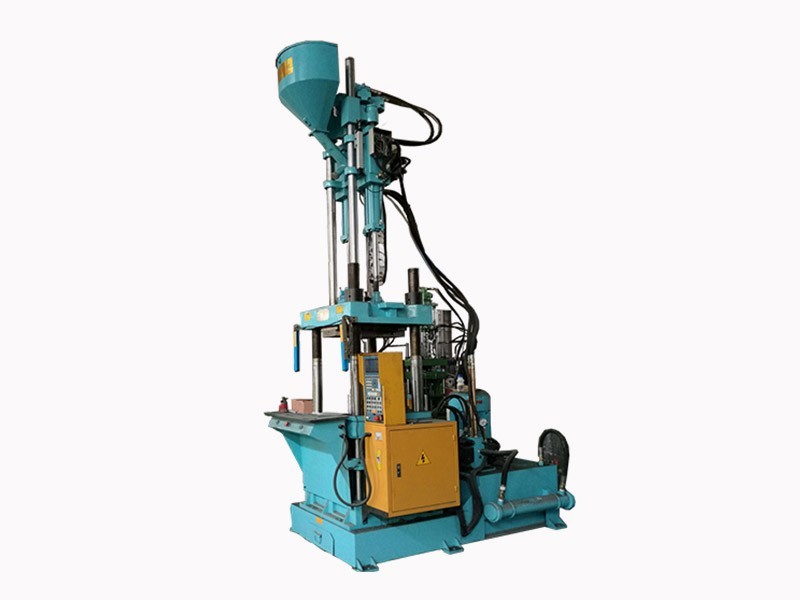
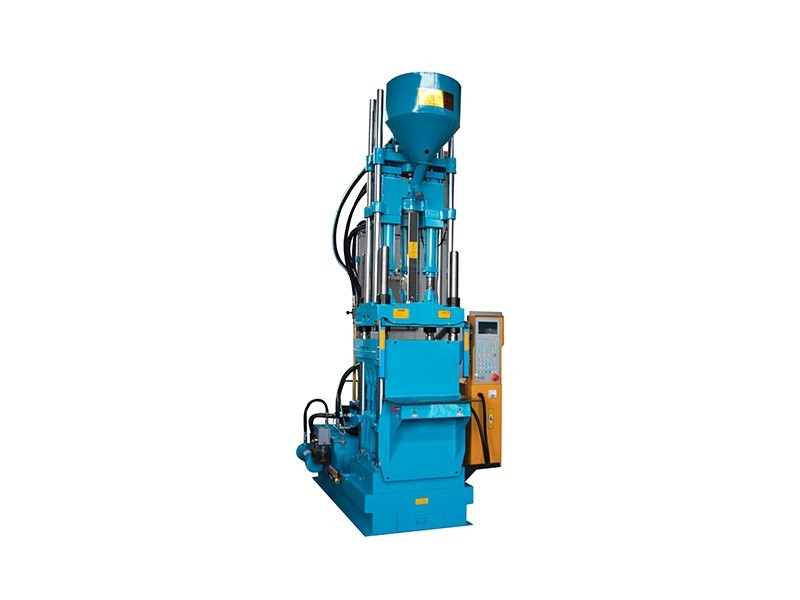
To really appreciate how these machines work, it helps to know what’s inside. A shoe sole injection molding machine typically consists of:
Hopper: Holds and feeds the raw material.
Heater Barrel: Melts the material at a controlled temperature.
Screw or Piston: Pushes molten material into the mold.
Mold Cavity: Shaped to the exact dimensions of the shoe component.
Clamping Unit: Holds the mold firmly during injection.
Cooling System: Cools down the mold to solidify the material.
Control Panel: The brain of the machine — it manages temperature, pressure, and timing.
Materials Used in Shoe Sole Injection Molding
| Material | Properties | Used For |
|---|---|---|
| EVA | Lightweight, shock-absorbent, flexible | Sports shoes, sandals |
| PU | Durable, abrasion-resistant, comfortable | Safety shoes, boots |
| PVC | Rigid, waterproof, low cost | Rain boots, slippers |
| TPR | Rubber-like, recyclable, flexible | Casual shoes, children’s footwear |
| Rubber | Heavy-duty, non-slip | Industrial and outdoor shoes |
Advantages of Using a Shoe Sole Injection Molding Machine
If you’re in the footwear business, here’s why investing in an injection molding machine for shoes is a smart move:
High Production Efficiency: You can produce hundreds or even thousands of soles daily, with minimal manual work.
Consistent Quality: Every sole is identical — a dream come true for large-scale shoe brands.
Material Savings: Precise injection means zero waste. Unused material can even be recycled.
Multi-Color and Multi-Density Soles: Modern machines can inject multiple materials or colors simultaneously for stylish, ergonomic designs.
Low Labor Costs: Automation reduces human intervention, cutting costs and boosting productivity.
Automation in Modern Footwear Injection Molding
Today’s shoe sole injection molding machines are smarter than ever. With digital control systems, robotic arms, and real-time monitoring, factories can produce more with fewer errors.
Some advanced models feature:
PLC (Programmable Logic Control) Systems
Servo-driven motors for energy efficiency
Automatic material feeding and color mixing
Remote monitoring via IoT (Internet of Things)
This means more precision, less downtime, and higher profit margins for manufacturers.
Common Challenges in Shoe Injection Molding
Even with advanced technology, challenges still arise:
Uneven filling or air bubbles due to poor temperature control
Material degradation if overheated
Mold wear and tear after long-term use
Color inconsistency when mixing multi-color soles
However, regular maintenance and modern machine upgrades can easily fix these issues.
Future Trends in Footwear Injection Molding
The future looks bright—and sustainable. The footwear industry is leaning towards eco-friendly materials and energy-efficient injection molding systems.
Here are a few exciting trends:
Biodegradable plastics replacing petroleum-based ones
3D printing combined with injection molding for hybrid production
AI-powered quality inspection systems
Zero-waste production models
The result? Greener, smarter, and more comfortable shoes for everyone.
Choosing the Right Injection Molding Machine for Shoes
Selecting the right machine depends on your production needs and material type. Here’s a quick guide:
| Machine Type | Best For | Material Used |
|---|---|---|
| EVA Machine | Sports & casual shoes | EVA |
| PU Machine | Safety boots, work shoes | PU |
| PVC Machine | Rain boots, slippers | PVC |
| TPR Machine | Fashion shoes, kids’ footwear | TPR/TPE |
Before investing, consider:
Production capacity
Material compatibility
Energy consumption
Automation level
After-sales service
Maintenance Tips for Long-Lasting Machines
To keep your shoe sole injection molding machine running like new, follow these simple maintenance tips:
Clean molds regularly to prevent residue buildup.
Lubricate moving parts to avoid friction damage.
Check temperature and pressure sensors for accuracy.
Inspect hydraulic systems for leaks.
Update control software periodically for better performance.
Proper maintenance ensures consistent output and extends machine lifespan.
The Bottom Line
Injection molding has revolutionized the footwear industry, making mass production faster, cheaper, and more precise than ever before. With a shoe sole injection molding machine, you can create soles that are comfortable, durable, and stylish—all in one go.
From the moment molten material fills the mold to the final cooling phase, every step of injection molding in footwear is a perfect blend of science and art. Whether you’re a footwear manufacturer or just curious about how your favorite sneakers come to life, one thing’s clear — this technology is here to stay and only getting better with time.
Final Thoughts
The next time you slip into a comfy pair of shoes, remember: behind that perfect fit lies cutting-edge machinery and precision engineering. The humble injection molding machine for shoes may not get the spotlight, but it’s the real hero in every step you take.