




Understanding Shoe Sole Injection Molding Machine Specs for Modern Footwear Production
 Apr 09, 2026|
 View:500
You are important in making shoes when you pick the right shoe sole injection molding machine. New machines help you work faster and make better shoes. Companies have made 30% more shoes and had 20% fewer mistakes by using new machines.
Impact on Production | Percentage Improvement |
|---|---|
Efficiency Increase | 20-30% |
Reduction in Defects | 20% |
You can make new sole designs that people want. These soles last long and feel good. Picking a shoe sole making machine with new features helps you beat other companies in the shoe business.
Key Takeaways
Picking the right shoe sole injection molding machine makes work faster by 20-30%. You can make more shoes and have fewer errors.
New machines let you create many sole designs with TPR, TPU, and PVC. This helps you give customers the shoe styles they want.
Automation in these machines lowers worker costs and makes more shoes. Fully automatic machines can make up to 1,200 pairs each day.
Taking care of your machine is very important. Checking it often stops problems and keeps shoe soles good.
Knowing machine specs, like clamping force and injection capacity, helps you pick the best one for your needs.
What Is a Shoe Sole Injection Molding Machine?
Core Functions and Benefits
A shoe sole injection molding machine helps you make soles for many shoes. The machine pushes hot, melted material into a mold. The mold shapes the material into a shoe sole. You can make soles in many styles, thicknesses, and hardness levels. This lets you give people shoes that look nice and feel good. Using this machine is faster and costs less than old ways.
Here is a table that lists the main good things about using a sole making machine:
Benefit | Description |
|---|---|
Improved Efficiency | Machines make more soles quickly with steady timing. |
Reduced Labor Costs | Fewer workers are needed because the machines do more work. |
Precision and Consistency | Each sole comes out with the same size, feel, and strength. |
Material Flexibility | Machines use many materials like PU, PVC, and TPR. |
You can see that a shoe sole making machine gives you lots of good things. You can check the quality of each sole better. You also use less time and money to make shoes.
Role in Footwear Manufacturing
Sole injection molding machines are very important in making shoes strong and lasting. The soles you make keep their shape and do not break fast. If you need to make lots of shoes, these machines help every sole look and feel the same. This matters when you have big orders.
Structural stability: The soles you make stay strong when people walk or run.
Consistency at scale: You make many soles that are all the same size and quality.
Post-processing: After making the sole, you might trim or finish it to look and feel better.
If you want to know how a sole making machine works, now you know it shapes, finishes, and perfects every sole for your shoes. This makes your shoes better and helps your business do well.
Shoe Sole Injection Molding Machine Specs
Clamping Force and Precision
When you pick a sole making machine, clamping force is very important. Most machines for new shoes use 200 to 400 tons of clamping force. Many machines made for soles use about 250 to 300 tons. This strong force keeps the mold tight and still. It stops the mold from moving and keeps the sole good.
A high clamping force helps make each sole the same. The mold stays steady, so every sole has the right thickness and details. Good machines, like ones from HONLED, let you control the clamping pressure very well. This makes sure every time you use the machine, the force is just right. Because of this, the soles work well and meet tough quality rules.
Injection Capacity and Material Range
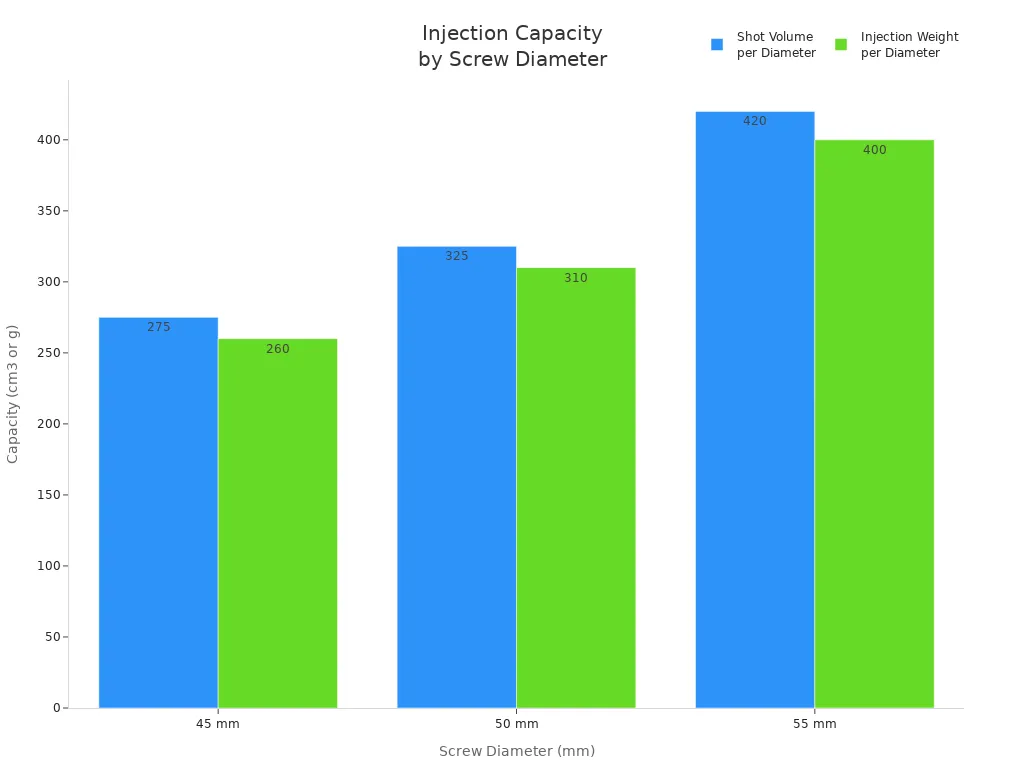
Injection capacity tells you how much material goes in at once. Machines often have screw diameters of 45, 50, or 55 mm. They can hold between 275 and 420 cm3 of material. These sizes work for many kinds of soles, from light shoes to heavy boots.
The injection rate is usually about 180 cm3 per second. A faster rate means you can make more soles quickly. The machine can inject up to 400 grams of material at one time. You can use many materials like TPR, TPU, PVC, and foaming compounds.
It is important that the machine works with many materials. For example, a PVC TPR sole moulding machine can use different thermoplastics. It can also use foaming and non-foaming types. This lets you make soles that grip well, last long, or feel light. Being able to use many materials makes these machines good for all kinds of shoes.
Automation and Control Systems
New sole making machines use smart automation and control systems. These include PLC controls, touchscreens, and robots. You can set the machine to do each step just right. This cuts down on mistakes and makes every sole the same.
Automation helps you work faster. A fully automatic machine can make up to 1,200 pairs of shoes each day. This is because the machine opens, injects, cools, and removes the soles by itself. Automation also means you need fewer workers, so your team can do other jobs.
Control systems watch and change things like heat, pressure, and speed as you work. This keeps the process steady and helps make better soles. There is also a smart mold protection system. It stops damage and helps your molds last longer, so your machine works well for a long time.
Energy Efficiency and Maintenance
Energy efficiency is now a big part of new sole making machines. New machines use servo motors, closed-loop control, and energy-saving parts. Servo motors give strong power but use less energy. Closed-loop systems keep pressure and flow steady, which helps the machine work better.
These features save energy and lower your bills. They also help you make shoes in a way that is better for the planet. You can reach your green goals and still make lots of shoes.
Taking care of your machine is important for saving money over time. If you clean and check the molds and parts often, you stop problems before they start. Good maintenance keeps your machine running well. This helps you make more shoes with the same high quality your business needs.
Types of Sole Making Machines
You can pick from different sole making machines. Each machine is good for certain jobs. The right machine helps you reach your goals.
Rotary Sole Injection Molding Machines
Rotary sole injection molding machines have a spinning platform. You put molds on the platform. The machine puts material in each mold as it spins. This lets you make many soles at the same time. You work faster and waste less. Rotary machines are good for small, detailed parts. People use them for car parts and electronics. They also help make shoe soles that need to be exact.
Tip: Rotary machines help you make more soles that all look the same.
Direct Injection Sole Making Machine
Direct injection sole making machines are for big orders. You use them when you need lots of soles fast. The machine puts material right into the mold in one step. You do not get as much detail as rotary machines. But you finish more pairs quickly. These machines are great for sports shoes and simple sandals. You can count on them for steady work and easy designs.
Multi-Color and Multi-Density Machines
Multi-color and multi-density machines let you use more than one color or material. You can make soles that look cool and feel different. These machines put two or more materials in the mold at once. People use them for fancy shoes and colorful sandals. Multi-color machines help your shoes stand out.
Machine Type | Application | Output Characteristics |
|---|---|---|
Rotary | Detailed parts, precision soles | High efficiency, less waste |
Direct Injection | High-volume, simple soles | Fast production, less detail |
Multi-Color | Fashion, luxury, colorful soles | Unique designs, multi-material |
HONLED gives you many choices for sole making machines. You can change the size, how much it makes, and how it works. If you need a machine for sports shoes or sandals, HONLED helps you find the best one.
Material Compatibility in Sole Injection Molding Machines
Common Materials (TPR, TPU, PVC)
Many materials are used to make shoe soles. Each one gives shoes special features. You need to know which material is best for your shoes. TPR, TPU, and PVC are used a lot. TPR sole making machines work with thermoplastic rubber. TPU makes soles that are strong and last long. PVC tpr sole moulding machines help you make cheap soles that do not get damaged by oil.
Here is a table that shows the good and bad sides of each material:
Material Type | Advantages | Disadvantages |
|---|---|---|
TPR Sole | Easy to shape, light, lets air pass through | Heavy, does not last long, not very bendy |
TPU Sole | Lasts long, very strong | Does not handle heat well, turns yellow easily |
PVC Sole | Cheap, does not get ruined by oil or scratches | Slippery, does not do well in cold weather |
PU Sole | Light, bouncy, soft when you walk, safe from chemicals | Soaks up water, cracks easily, does not stretch much |
A pu sole making machine is good for light and soft soles. If you want to make chappal soles, you often use TPR or PVC. These materials help you make soles that last and feel nice.
Tip: Always look at what each material can do before you start. This helps you pick the best sole making machine for your shoes.
Machine Adaptability
Your sole making machine should work with many materials. You can change the settings for each type. For example, a pvc tpr sole moulding machine changes heat and pressure for PVC or TPR. A pu sole making machine changes heat and flow for polyurethane. Chappal sole making machines work best when set for the right material.
You change heat and pressure for TPR, TPU, or PVC.
Each material melts and moves in its own way.
Wrong settings can cause problems and more repairs.
When you use a tpr sole making machine, you set it for thermoplastic rubber. If you use a pu sole making machine, you change the settings for polyurethane. This lets you make soles for sports shoes, sandals, or fancy shoes. You get the best results when your machine matches the material.
You can make many kinds of soles with one machine. You just need to set the controls for the material. This helps you make good soles every time.
Choosing the Right Shoes Sole Making Machine
Assessing Production Needs
You need to look at your production needs before you pick a sole making machine. Start by checking how many pairs you want to make each day. If you plan to produce a lot, a sole making machine with high output and low per-unit costs works best. Think about the shape and complexity of your soles. Machines can handle detailed designs, but some are better for simple shapes. You must also choose the right material. A tpr sole making machine works well with thermoplastic rubber. A pu sole making machine is good for soft, light soles. A pvc tpr sole moulding machine lets you use PVC and TPR for durable soles.
Factor | Description |
|---|---|
Production Volume | |
Part Geometry and Complexity | Handles detailed parts, but not ideal for large or solid designs. |
Material Selection | Works with many thermoplastics and elastomers. |
Lead Time and Production Speed | Rapid production after tooling is ready. |
End-use | Makes soles with uniform grain, ideal for load-bearing shoes. |
Matching Specs to Products
You must match the specs of your sole making machine to your product needs. Follow these steps to get the best results:
Prepare the mold and material. Make sure your ETPU beads and mold are clean.
Inject the material with the right pressure. This gives your sole the correct density.
Cool and remove the sole. This keeps the shape and size steady.
Finish the sole with trimming or grinding. Check quality to meet your standards.
A pu sole making machine gives you soft soles for comfort. A tpr sole making machine makes soles that last longer. A pvc tpr sole moulding machine helps you make affordable soles for sandals and casual shoes.
Tip: Always check if your sole making machine can handle the material and design you want.
Cost, Support, and Customization
You must think about cost-effectiveness when choosing the right sole making machine. Look at the total price, including maintenance and energy use. A pu sole making machine saves money with lower power bills. After-sales support helps you fix problems fast and keeps your machine running. HONLED offers strong support and training. Customization lets you change the machine for different soles. You can adjust size, capacity, and automation. This helps you meet market demands and make unique soles. Cost-effectiveness improves when you pick a sole making machine that fits your needs and gets good support.
Applications and Benefits of Sole Injection Molding Machines
Footwear Types Produced
Sole injection molding machines can make many shoe types. These machines help you make soles for sports, fashion, safety, and medical shoes. Each shoe type needs a special kind of sole. The table below lists some shoe types you can make:
Type of Footwear | Description |
|---|---|
Sports Footwear | Running, basketball, and soccer shoes with tough, bendy soles. |
Casual and Fashion Footwear | Everyday shoes, boots, and sandals with soft soles made from EVA and PU. |
Safety Footwear | Work boots for building and mining with slip-proof, strong soles. |
Orthopedic Footwear | Medical shoes for comfort and support, often using soft EVA material. |
These machines work for many shoe styles. You can make good soles for daily or special shoes. This helps you give customers what they want.
Advantages Over Traditional Methods
Sole injection molding machines have many good points over old ways. You can make more shoes in less time. The process lets you control each step, so every sole is the same. You also use less material, which saves money.
Here are some main benefits of using a sole making machine:
You make shoes faster and fill big orders quickly.
You get soles that are strong and look smooth.
You need fewer workers, so you spend less money.
You can change shoe types easily with simple steps.
Note: These machines help you keep up with new shoe styles and what customers want.
You can count on this method to make good soles every time. Using a sole making machine helps you stay ahead in the shoe business.
Maintenance and Troubleshooting for Sole Making Machines
Routine Care
You need to take care of your shoe sole injection molding machine. Doing regular checks helps stop problems before they start. This keeps your work going without stops. Here is an easy list you can use:
Look at hoses for leaks or weak spots. Change them before you start work.
Check cylinders for leaks. Make sure they are straight and work right.
Clean air filters in the electrical box. This stops the machine from getting too hot.
Spend four to five hours every three months on a full check.
Make sure power lines are tight. Loose lines can get hot or be unsafe.
Put grease on places that need it. This helps parts move well.
Make sure the nozzle is lined up right. This stops leaks and other problems.
Tip: Taking care of your machine saves money and time. Machines that get checked often last longer and make better soles.
Common Issues
Sometimes, your sole making machine may have problems. Knowing these problems helps you fix them fast. Here is a table with two common problems with liquid silicone rubber parts and how to fix them:
Problem | Definition | Solutions |
|---|---|---|
Liquid Silicone Rubber Parts Not Curing | Parts stick in the mold or feel sticky; not hard | Check mold heat, give more time, check for things that stop curing |
Liquid Silicone Rubber Part is Under-Filled | Part is too short, not smooth, or too light | Check the mix, use more material, let air out better |
Other problems you might see are:
Short Shot: The part does not fill all the way. Some parts are missing.
Flash: Extra rubber shows up on the edges or where parts meet.
Air Traps: Bubbles or empty spots are inside the part.
Burn Marks: Brown or black marks show on the outside.
Surface Blemishes: The outside looks dull, wavy, or not smooth.
To fix problems, start by checking the machine, the material, and the mold. Most problems go away if you change settings, clean parts, or put in new pieces. When you know about these problems, you can keep making soles that look good.
Future Trends in Sole Making Machines
Automation and Smart Features
New shoe sole injection molding machines now have smart automation. These machines help you work faster and make better soles. You can use a PLC interface with a touch screen. This makes it easy to change settings. The machine supports many languages. You do not need much time to learn how to use it.
Machines make TPR and TPU processing better. They use special plasticizing units and temperature systems. This keeps the material steady and helps you make strong soles.
High-pressure precision fills detailed mold designs all the way. You can reach up to 3000 Kgf/cm² injection pressure. This means you get detailed soles every time.
Energy efficiency and automation are important. Smart hydraulics and servo motors save 50-60% electricity. You also cut labor costs by 50-70%. You save money and help the planet.
Tip: Automation lets you make more soles with less work. You can focus on making good and creative shoes.
Sustainability Innovations
Sustainability is now a big trend in sole making machines. New hydraulic and pneumatic pressing machines use less power. They keep strong bonding and meet green rules. You help the earth and make shoes that last longer.
ETPU molding machines use less energy and make better soles. You spend less money because you save energy and materials. This helps your business do well and supports eco-friendly ways.
Manufacturers now recycle leftover materials with regrind and pelletizing. You can use these recycled granules to make new soles. This helps create a circular economy in shoe sole making. You waste less and turn leftovers into something useful.
Note: Sustainability helps you give customers green products. You build a good name for making shoes the right way.
You have to know shoe sole injection molding machine specs to make good shoes. New machines help you set the right heat, pressure, and mix for every batch. This makes your shoes turn out the same each time. Automation means you need fewer workers and can make shoes faster. When picking a machine, check both the machine’s details and the help you get from the company. Good molds help your shoes fit well and last a long time. Look at the table below for the main things to remember:
Key Aspect | Benefit |
|---|---|
Mold Materials | Strong molds that last longer |
Runner Types | Save money and get smooth soles |
Certifications | Trustworthy quality checks |
Tip: Pick machine features that match what you need to make the best shoes.
FAQ
What materials can I use with a shoe sole injection molding machine?
You can use TPR, TPU, PVC, and PU. These materials help you make soles for sports, fashion, and safety shoes. Always check your machine’s specs for the best results.
How often should I maintain my sole making machine?
You should check your machine every three months. Clean filters, inspect hoses, and grease moving parts. Regular care helps your machine last longer and work better.
Can I make multi-color soles with one machine?
Yes! Many modern machines let you use two or more colors. You can create unique designs for fashion or sports shoes. Look for machines with multi-color or dual-injection features.
Why is clamping force important in these machines?
Clamping force keeps the mold closed during injection. This helps you get soles with the right shape and no leaks. Strong clamping force means better quality and fewer defects.

Recommended Products
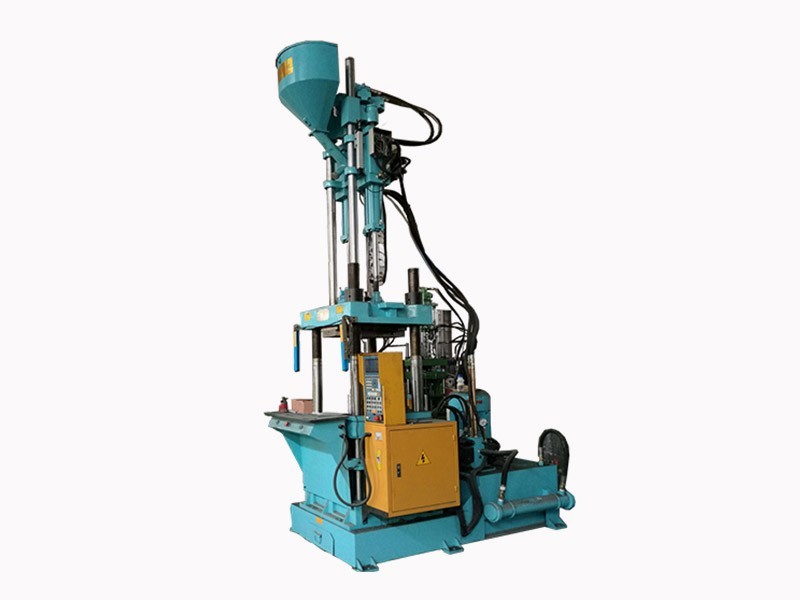
Professional PVC/TPR Slipper Sole Making & Moulding Machine

PVC/TPR Sole Moulding Machine丨 Professional Shoe Injection System
PU Sole Injection Molding Machine 丨Vertical Type Shoes Making Machine
TPU Safety Shoes Making Machine
Basic-type Shoe Sole Injection Machine
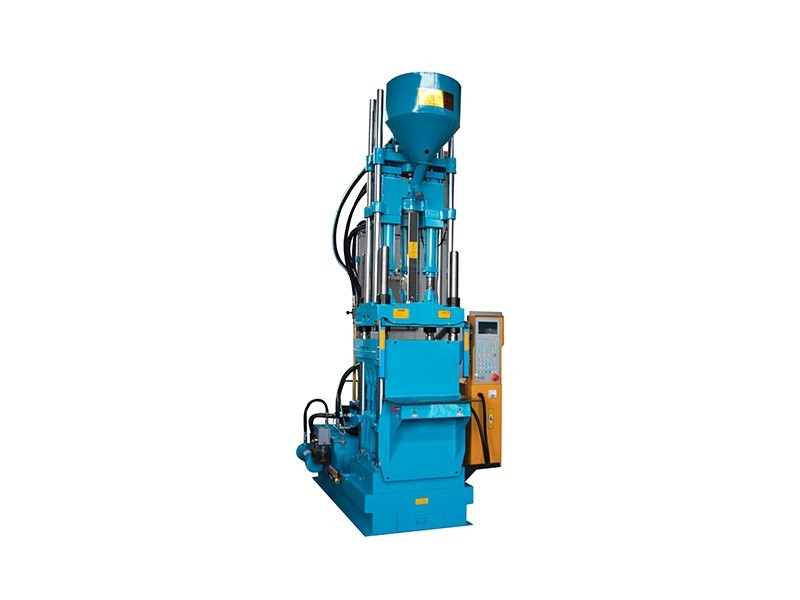
PVC shoe upper Injection Molding Machine丨shoe injection machine
pvc shoe injection moulding machine
Recent News
1.TPU sole injection machine for shoes what makes it unique
2026-03-172.PVC vs. TPR vs. TPU: Which Material is Best for Your Shoe Sole Injection Machine?
2026-02-283.Top 10 Shoe Injection Moulding Machine Manufacturers in Indonesia 2026
2026-01-274.The Ultimate Guide to PU vs. PVC vs. TPR Injection Processes for shoe injection molding machine
2026-01-225.Top 6 Best Injection Molding Machines in China 2026
2025-12-236.80 Ton Injection Molding Machines for Various Applications
2026-01-12