



The Ultimate Guide to PU vs. PVC vs. TPR Injection Processes for shoe injection molding machine
 Jan 22, 2026|
 View:838
When you pick a sole for shoes, you decide how comfy, strong, and stylish they are. PU, PVC, and TPR each have special good points in the shoe injection molding machine process. You must choose the right material for your design and what you want to make. For great shoe making, you need a machine that can work with any sole type. HONLED’s Special Shoe Sole Molding Machines let you make samples, big batches, and all kinds of soles with the same good quality.
Key Takeaways
Learn about the special features of PU, PVC, and TPR. PU is strong and feels good to wear. PVC is light and does not cost much. TPR bends easily and does not slip.
Pick the best material for each shoe type. PU works well for sports and safety shoes. PVC is good for casual and fashion shoes. TPR fits work and leisure shoes.
HONLED’s machines let you change materials easily. This helps you make many shoe styles without changing big parts.
Think about what you need before picking a shoe injection molding machine. Check how much it can make, its size, and if it works with your materials. This helps you make shoes faster.
Always use the right molds and tools for your shoe style. This makes sure your soles are good quality and meet what customers want.
PU vs. PVC vs. TPR for Shoe Injection Molding Machine
Key Differences Overview
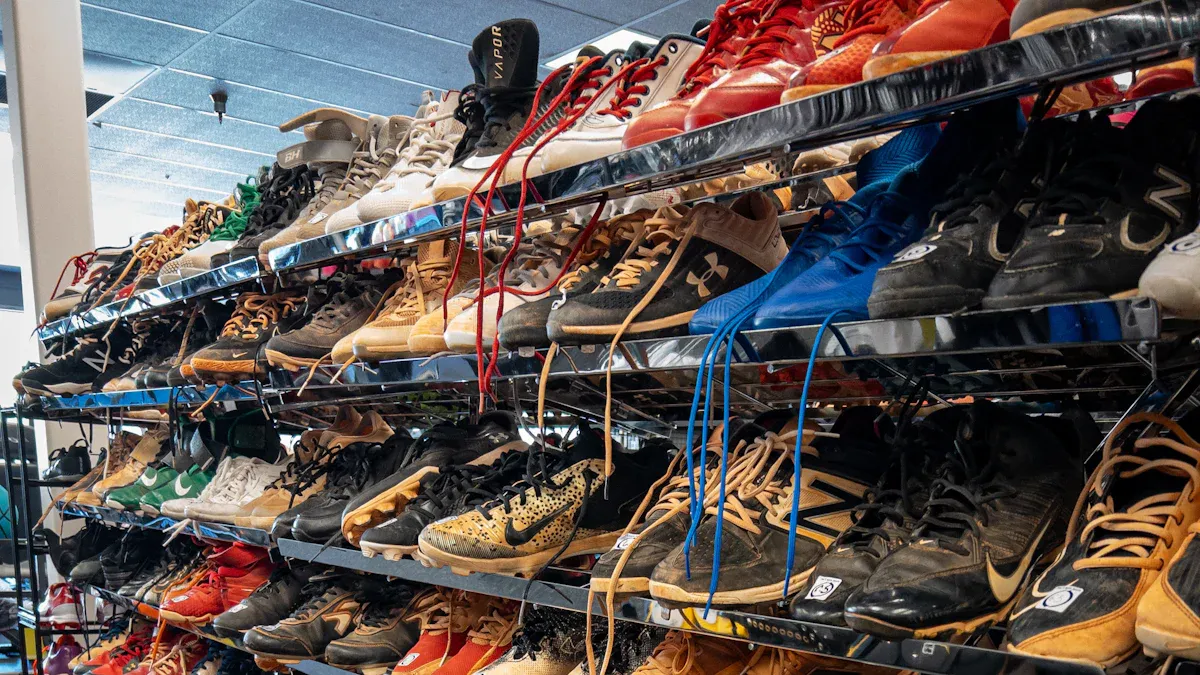
If you want to make shoes, you need to know about PU, PVC, and TPR. Each one is different and helps your shoe injection molding machine in its own way. PU is soft and bends easily. It makes soles that last a long time. PVC is light and does not cost much. It is good for fashion and casual shoes. TPR is comfy, bends well, and is strong. You often see TPR in work shoes and casual shoes.
You also need to think about how each material works with molds. PU needs molds that are just right and the temperature must be watched closely. PVC uses molds that are easy to fill and shape. TPR molds can make cool patterns and strong soles. Every material has its own steps, but all need good molds and careful planning.
How much you spend is important too. PU soles cost more, but they last longer and feel better. PVC soles are the cheapest, so they are good for making lots of shoes. TPR soles cost in the middle and are good for everyday shoes. When you plan, pick the material that fits your shoe and your money.
How long soles last is not the same for each one. PU soles do not wear out fast and keep their shape. TPR soles are the toughest and lose the least when rubbed. PVC soles wear out faster, but they are light and bendy. Think about where people will wear the shoes. PU and TPR are best for sports and outside. PVC is good for fashion and inside.
HONLED’s special machine can use PU, PVC, or TPR. You do not have to change the main parts to switch materials. This lets you try new ideas and make many kinds of shoes. The machine works for small tests or big orders. You always get strong soles and good quality.
Tip: Pick your material to match your shoe molds and how the shoe will be used. This helps your shoes work well and makes customers happy.
Comparison Table: Properties & Applications
The table below shows the main ways the materials are different. It helps you choose the best one for your next shoe project.
Material | Shore A Hardness | Abrasion Resistance (mg/1000 cycles) | DIN/ISO Abrasion (mm³ loss) | Coefficient of Friction (dry) | Characteristics | Typical Applications | Cost per Pair (USD) |
|---|---|---|---|---|---|---|---|
PU | 40–80A | 30–300 | 40–160 | 0.45–0.80 | Highly elastic, flexible, durable | Athletic, outdoor, work shoes | 2.00–3.00 |
PVC | 20–65A | 80–400 | 120–400 | 0.30–0.60 | Lightweight, flexible, affordable | Casual, fashion, slippers | 1.06–1.80 |
TPR | 60–95A | 5–50 | 10–45 | 0.40–0.75 | Flexible, comfortable, durable | Casual, work, leisure shoes | 1.13–1.24 |
PU soles are best if you want shoes that last and work hard. They are good for sports, hiking, and safety shoes. TPR soles are comfy and grip well. They are great for casual shoes, work shoes, and sandals. PVC soles are light and easy to shape. You find them in fashion shoes, slippers, and sandals.
Here are some ways people use each sole:
Sports shoes: PU and TPR give grip and soft steps.
Leisure shoes: TPR and PVC are comfy for all day.
Slippers and sandals: PVC and TPR keep shoes light and bendy.
Work and safety shoes: PU and TPR are tough and do not slip.
Special shoes: PU and TPR help with grip and last long for hiking or army boots.
HONLED’s machine works with all these materials. It fits any mold or shoe tool you need. You can change how you make shoes for each material. This keeps your work fast and your shoes good. You can use the same machine for new ideas or big orders.
Always think about your shoe design, molds, and tools for each material. This makes sure your soles are right for your customers and your market.
Material Overview for Sole Making Machine
When you pick a material for your sole making machine, you decide how comfy, strong, and good your shoes will be. Polyurethane, polyvinyl chloride, and thermoplastic rubber each have their own special good points. Each one works best for different shoes and places. You need to match your shoe design, molds, and tools to the right material to make strong soles. HONLED’s sole making machine lets you use all three materials. This makes it easy and fast to make new shoe bottoms and tools.
PU (Polyurethane) Features
Polyurethane is light and lasts a long time. You see PU soles in sports and safety shoes because they soak up shocks and keep your joints safe. PU stays bendy even after you wear the shoes a lot. This means your shoes stay comfy and last longer. PU does not let water or sun hurt the shoes, so they are good for outside. When you use a HONLED machine, you can change the molds and tools to get the best PU soles. The machine helps you make soles that stretch and grip well. PU is great for trying new shoe ideas and making strong soles for sports, hiking, and work shoes.
Mechanical Property | Benefit |
|---|---|
Lightweight Design | PU soles are light, so shoes are easy to wear for a long time. |
Shock Absorption | PU foam soaks up hits, keeping feet and joints safe. |
Flexibility | PU bends many times and does not crack. |
Durability | PU does not wear out fast, so soles last longer. |
Slip Resistance | PU grips well on many surfaces. |
PVC (Polyvinyl Chloride) Features
Polyvinyl chloride, or PVC, is used a lot for fashion and casual shoes. PVC makes soles that are light, bendy, and simple to clean. PVC does not let water or many chemicals hurt the shoes, so it is good for wet or work places. But PVC can get hard when it is cold and may not last as long as other materials. You need the right molds and tools to shape PVC soles for your shoe design. HONLED’s machine keeps the heat and pressure just right, so you get the same good quality every time. PVC is a smart pick if you want to make lots of shoes fast and save money.
Note: PVC soles keep feet dry and safe from chemicals, so they are great for boots used on farms and in factories.
TPR (Thermoplastic Rubber) Features
Thermoplastic rubber, or TPR, mixes the best parts of rubber and plastic. TPR soles bend, feel good, and bounce back if you drop them. TPR works well for casual, work, and fun shoes. TPR is easy to recycle, so you make less waste and save money. TPR also soaks up shocks, so shoes feel good all day. With HONLED’s machine, you can change the molds and tools to make cool patterns and strong soles. TPR is a good choice if you want shoes that are better for the planet and work well.
TPR can melt and be used again, so it is good for the earth.
TPR soles do not make much pollution when made.
Using recycled TPR saves you money.
You can trust HONLED’s machine to use PU, PVC, and TPR easily. The machine lets you switch between materials, molds, and tools without slowing down. This helps you make many shoe designs and always get strong, good soles for every kind of shoe.
PU Sole Making Machine Process
PU Injection Molding Steps
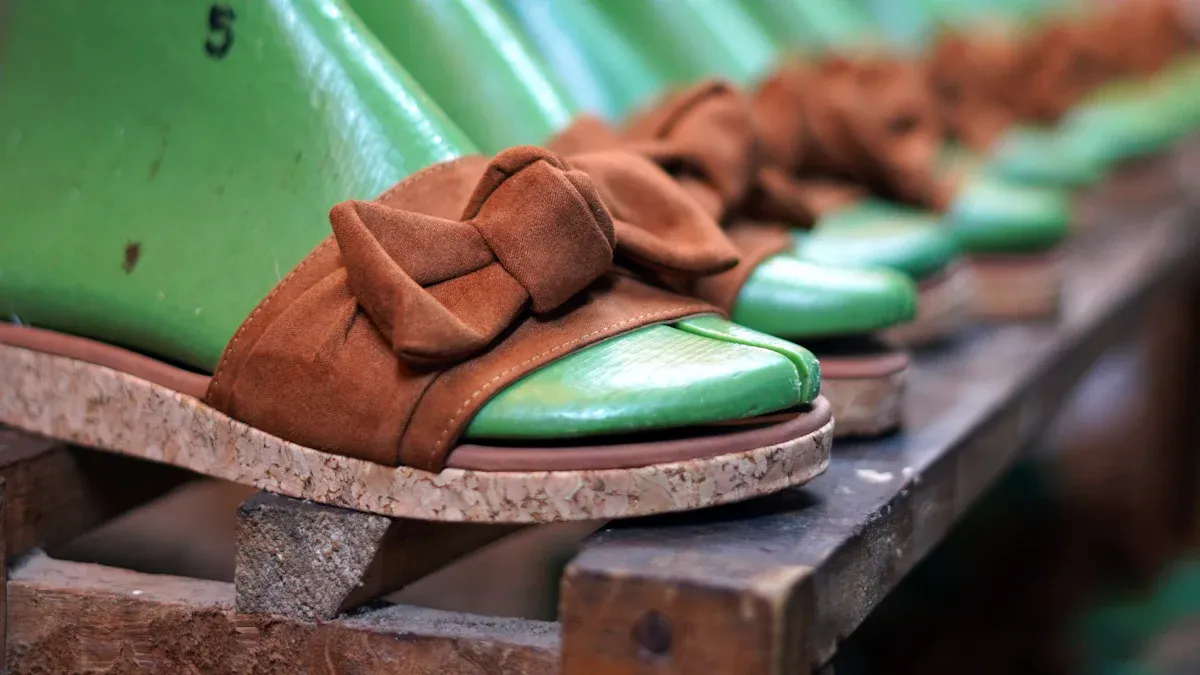
A pu sole making machine helps you make strong and comfy soles. You can use it for many kinds of shoes. The machine uses special molds and tools to shape the material. Here are the main steps you follow:
Raw Material Mixing: You mix polyurethane, a catalyst, a foaming agent, and other things in the right amounts.
High-pressure Injection Molding: The mixed material is pushed into the molds very fast. This step uses pu foam direct injection to fill the mold evenly.
Heat and Form: The molds get hot, and the material spreads out. It fills every part of the tool.
Cooling and Curing: The machine cools the molds quickly. The material gets hard and keeps its shape.
Demoulding: You open the molds and take out the finished sole.
This process helps you make outsoles with good quality and detail. You can use different molds and tools to fit your shoe design.
PU Process Pros & Cons
There are many good things about using a pu sole making machine. The table below shows the main good and bad points:
Advantages | Disadvantages |
|---|---|
Comfortable and flexible | Can break down over time |
Great cushioning | Water can make it stiff and less bendy |
Saves money | Needs dry storage to last longer |
Many finishes | |
Good for health |
Tip: Keep your soles in a dry place. This helps them stay strong and bendy.
Best Uses for PU Soles
A pu sole making machine can make soles for many shoe types. PU soles are good for:
Sports shoes
Casual shoes
Boots
Dress shoes
Slippers and sandals
Casual shoes are getting more popular because people want comfort every day. PU soles give you shoes that bend, last long, and feel good. You can use different molds and tools to match your shoe style. The pu sole making machine helps you make many kinds of soles. This way, you can give your customers what they want and keep your work fast and easy.
PVC Shoes Sole Making Machine Process
PVC Injection Molding Steps
You use a pvc tpr sole moulding machine to make shoe soles. First, you put plastic pellets into the machine’s hopper. The shoes sole making machine heats the pellets until they melt. A screw turns and pushes the melted plastic forward. The machine injects the hot plastic into molds with high pressure. The molds fill up and shape the sole. Cooling channels help the sole harden quickly. When the sole is solid, the molds open up. Ejector pins push the finished sole out. This process helps you make many soles fast and with the same quality.
PVC Injection Molding Steps:
Plastic Melting (Plasticization): Put pellets in the machine and melt them.
Injection: Push the melted plastic into the molds with pressure.
Cooling & Solidification: Cool the molds so the sole gets hard.
Ejection: Open the molds and take out the finished sole.
You can use different molds and tools to make many designs. The pvc tpr sole moulding machine works for small shops and big factories.
PVC Process Pros & Cons
Using a pvc tpr sole moulding machine has many good points. You can change molds and tools for your design. The shoes sole making machine makes soles for many shoe types. You can make a few soles or a lot, depending on your needs. The process saves money because each sole costs less. You need trained workers to run the machine and fix problems. Sometimes, you must stop the machine to fix molds or tools. Recycling is important to help the planet and cut waste.
Advantages | Disadvantages |
|---|---|
High return on investment over time because each sole costs less. | You need a lot of money at first, especially for automatic machines. |
You can make many designs with different molds. | Workers must know how to use and fix the machine. |
You can meet local market needs fast without imports. | Machines may stop working if parts break or molds wear out. |
You can make a few soles or many, from small shops to big factories. | Plastic waste can hurt the earth unless you recycle. |
Tip: Use recycling with your pvc tpr sole moulding machine to help the earth and save money.
Best Uses for PVC Soles
A sole making machine can make many kinds of soles for shoes. PVC soles are good for flip-flops, work boots, and casual shoes. The pvc tpr sole moulding machine lets you use special molds and tools for each shoe style. You can make soles that are light, keep water out, and are easy to clean. Many brands use PVC soles for cool flip-flops, tough work boots, and comfy casual shoes like Crocs. The shoes sole making machine helps you make what your customers want.
Shoe Type | Description |
|---|---|
Flip-flops | Cool and keep water out, great for the beach. |
Working boots | Strong and protect feet in many work places. |
Casual shoes | Styles like Crocs, loved for comfort and style. |
You can change molds and tools to fit your shoe design. The pvc tpr sole moulding machine lets you make many kinds of soles for your customers.
TPR Sole Making Machine Process
TPR Injection Molding Steps
You use a tpr sole making machine to create strong and flexible soles for many types of footwear. The process uses special molds and tooling to shape the material. Here are the main steps you follow with a shoes sole making machine:
Place the shoe last inside the molds.
Close the molds tightly to prepare for injection.
Inject melted material into the molds using the tpr sole making machine.
Let the material cool and bond with the upper part of the footwear.
Eject the cooled shoe from the molds with care.
Finish by cleaning, checking quality, and packing the sole.
This process helps you make outsoles that fit your design and meet your footwear tooling needs. You can change molds and tooling to create different soles for each footwear style.
TPR Process Pros & Cons
The tpr sole making machine gives you many advantages in footwear manufacturing. You get soles that are light, strong, and comfortable. The injection process shapes the material easily and keeps costs low. The table below shows the main pros and cons of using a tpr sole making machine for your shoes sole making machine process:
Advantages | Disadvantages |
|---|---|
Easy shaping | Easy staining |
Low price | |
Light and comfortable sole | |
High elasticity | |
Good air permeability | |
High strength | |
Very low temperature resistance | |
High friction coefficient | |
Strong grip |
Tip: Use proper footwear tooling and molds to get the best results from your tpr sole making machine.
Best Uses for TPR Soles
You find tpr soles in many types of footwear. The tpr sole making machine is popular for work and safety shoes because the soles grip well and resist slips. Many brands use this process for casual shoes, sandals, and boots. The soles feel soft and bend easily, so people like them for everyday wear. You can use the shoes sole making machine to make soles that protect feet in tough jobs or keep people comfortable at home. The tpr sole making machine lets you change molds and tooling fast, so you can try new design ideas and meet market needs. TPR is a top choice in footwear manufacturing when you want strong, safe, and flexible soles.
Choosing the Right Shoe Injection Molding Machine
Assessing Product Needs
You need to start by looking at what kind of footwear you want to make. Think about the type of sole each shoe will need. Some shoes need soft soles for comfort, while others need tough soles for work or sports. You should also decide which material fits your design best. PU, PVC, and TPR each have special qualities. PU gives you lightweight and flexible soles. PVC is good for affordable and stylish shoes. TPR works well for shoes that need grip and flexibility.
When you choose a shoe injection molding machine, check if it can handle the materials you want to use. Look at the molds and see if they match your shoe design. You should also think about the size of the machine and how much space you have in your workshop or factory. Make sure the machine fits your tooling and can change molds quickly. This helps you switch between different shoe styles without slowing down your production.
Tip: Always match your molds and tooling to your shoe design. This gives you the best results for every type of footwear.
Here are some things you should consider:
Production capacity: How many pairs of shoes do you want to make each hour?
Machine size: Does the machine fit in your workspace?
Mold design and cost: Are your molds easy to change and affordable?
Material compatibility: Can the machine work with PU, PVC, and TPR?
Energy use: Does the machine save power and lower your costs?
Total cost: Think about the price, setup, training, and maintenance.
Support: Choose a supplier who helps with training and fixing problems.
HONLED’s Special Shoe Sole Molding Machines let you use different materials and molds. You can make many types of soles for all kinds of footwear. This makes your production flexible and helps you meet changing market needs.
Production Scale & Cost Factors
You need to think about how many shoes you want to make. If you run a small shop, you may want a machine that changes molds fast and does not take up much space. For big factories, you need a shoe injection molding machine that works fast and makes many soles every hour. The right machine helps you keep up with orders and grow your business.
Look at the tooling and see if it fits your production goals. Some machines let you use different molds for many shoe designs. Others work best for making the same sole over and over. You should also check the clamping force and injection capacity. These features help you make soles that are strong and shaped right.
Cost is important. You need to think about the price of the machine, the cost of molds, and how much it costs to run the machine every day. Machines that save energy help you lower your bills. Easy-to-maintain machines keep your production running without long stops.
Here are some key points to check:
Clamping force: Needed for big or complex molds.
Injection capacity: Lets you make bigger soles or more pairs at once.
Mold compatibility: Can you use many types of molds?
Automation: Machines with more automation save time and reduce mistakes.
Energy efficiency: Lowers your daily costs and helps the environment.
Maintenance: Easy access to parts means less downtime.
HONLED’s machines work for small, medium, and large businesses. You get fast mold changes, high-speed production, and support for many types of soles. This helps you stay competitive and meet your customers’ needs.
Feature | Description |
|---|---|
Dual Material Compatibility | Switch between PVC and TPR easily for different soles. |
Rapid Mold Change System | Change molds in 10 minutes for small or custom batches. |
High-Efficient Production | Make many soles quickly for large orders and busy seasons. |
Note: HONLED’s machines help you grow from small batches to large-scale production without changing your main equipment.
Matching Material to Application
You need to pick the right sole material for each type of footwear. Think about where people will wear the shoes and what they need from the soles. PU works well for dress shoes and sports shoes because it is light and cushions each step. PVC is good for fashion shoes, slippers, and shoes that need to be waterproof. TPR gives you flexible soles with good grip, perfect for work shoes and outdoor footwear.
When you match the material to the application, look at durability, comfort, and cost. Some soles need to last a long time and resist wear. Others need to be soft and bend easily. You should also think about the environment. TPR is easy to recycle, and energy-efficient machines help you make soles with less waste.
Here are some best practices:
Choose soles based on how the shoes will be used.
Pick PU for lightweight comfort and sports.
Use PVC for affordable, waterproof, and stylish shoes.
Select TPR for flexible, all-weather grip and work shoes.
Make sure your molds and tooling fit the material and shoe design.
Always buy materials from trusted suppliers.
HONLED’s shoe injection molding machine lets you switch between PU, PVC, and TPR. You can use the same tooling and molds for many shoe designs. This gives you the freedom to create soles for every kind of footwear, from casual to work to sports.
Tip: The right combination of material, molds, and tooling helps you make soles that last longer and keep your customers happy.
You have seen how PU, PVC, and TPR injection processes shape the future of footwear. Each material gives you different benefits for every sole. You must match your tooling to the right sole for the best results. Good tooling helps you make strong soles for all types of footwear. When you choose the right sole, you help your footwear stand out. Always review your tooling and ask experts for advice.
For the best results in footwear production, consider HONLED machines. They support every tooling need and help you create soles for any footwear style.
FAQ
What material should you choose for sports shoes?
You should pick PU or TPR. PU gives you soft, light soles that last long. TPR offers strong grip and flexibility. Both work well for running and outdoor sports.
Can you switch materials easily on HONLED’s machine?
Yes, you can. HONLED’s Special Shoe Sole Molding Machines let you change between PU, PVC, and TPR quickly. You do not need to change the main parts.
How do you keep soles from wearing out fast?
You should pick the right material for your shoe’s use. PU and TPR last longer for active wear. Also, store shoes in a dry place and clean them often.
Is TPR better for the environment?
Yes, TPR is easy to recycle. You can melt and reuse it for new soles. This helps you reduce waste and protect the earth.
Recommended Products
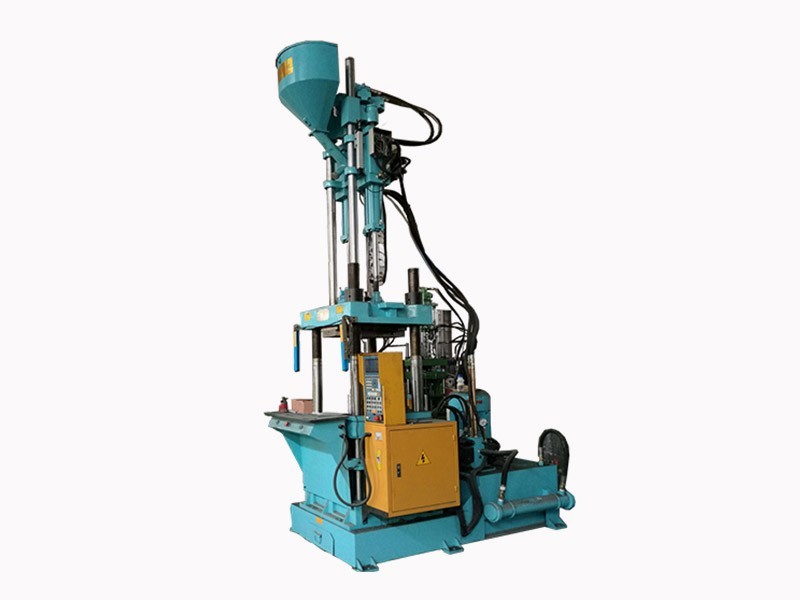
pvc shoe injection moulding machine
Hawai chappal sole making machine
Professional PVC/TPR Slipper Sole Making & Moulding Machine

PVC/TPR Sole Moulding Machine丨 Professional Shoe Injection System
Professional TPR Sole Making Machine
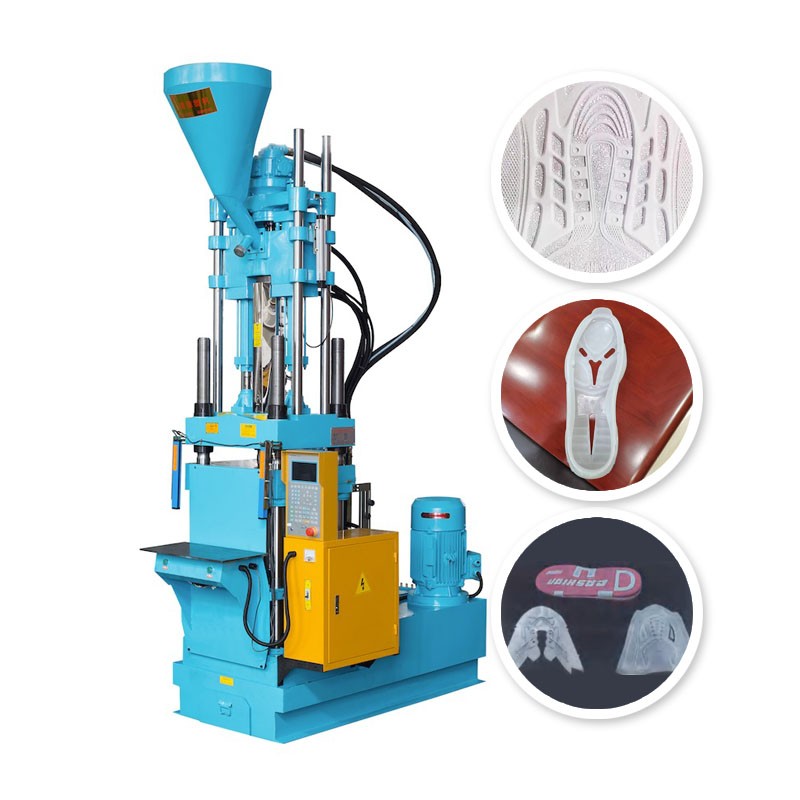
PU Sole Injection Molding Machine 丨Vertical Type Shoes Making Machine
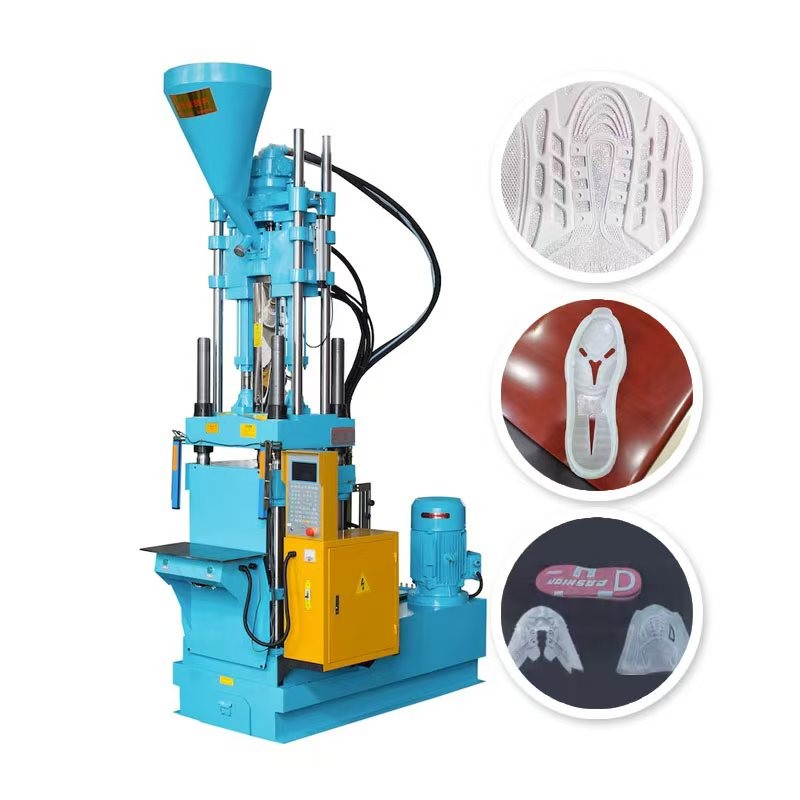
Double Color PVC Sole Injection Machine
TPU Safety Shoes Making Machine
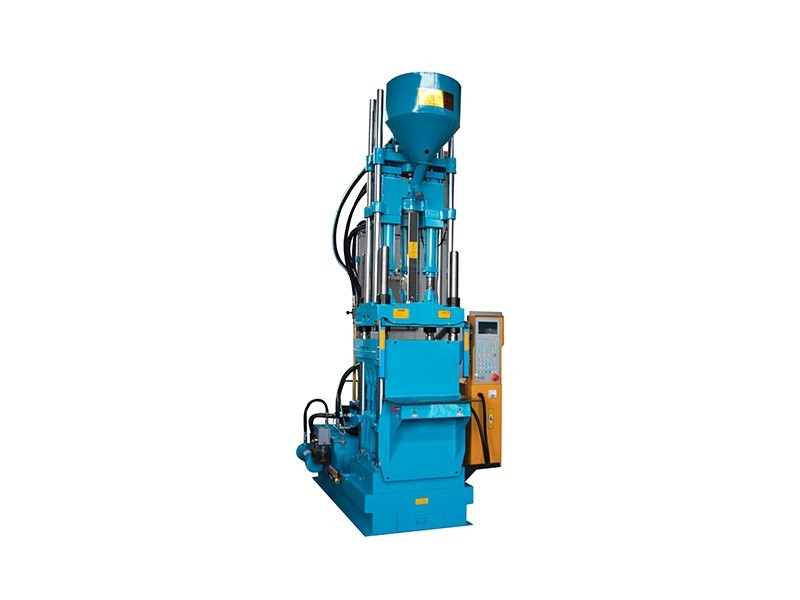
PVC shoe upper Injection Molding Machine丨shoe injection machine