



 Oct 23, 2025
 View:1222
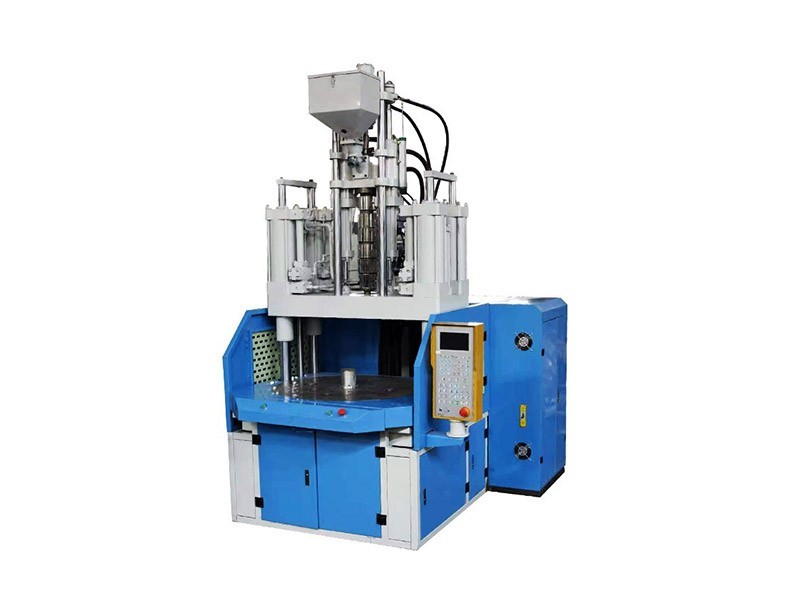
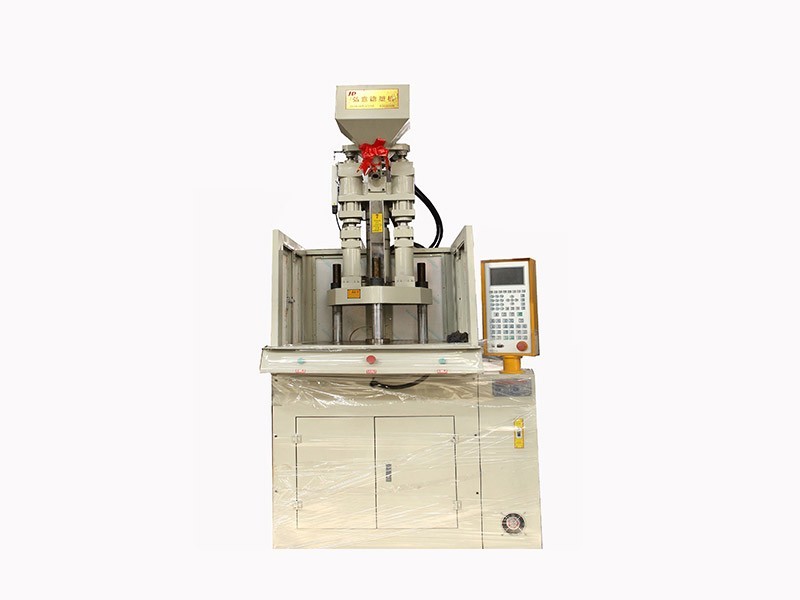
A rotary injection molding machine has a table that spins. This helps you make plastic parts fast and with care. HONLED is a trusted company since 1998. They have the Vertical Rotary Platen Injection Molding Machine for businesses that want the best. You get a small design, very good accuracy, and a system that oils itself.
The world market for rotary injection molding machines is growing quickly.
Experts think it will grow by 8% each year from 2025 to 2032.
Key Takeaways
Rotary injection molding machines have a spinning table. They make plastic parts fast and with good accuracy. This helps when many parts need to be made.
These machines can work at more than one station at once. Loading, molding, and cooling can all happen together. This makes the process much faster.
HONLED's Vertical Rotary Platen Injection Molding Machine has special features. It saves energy and is very precise. It also lets you change molds quickly. This makes it a good pick for factories.
Rotary injection molding works well for making tricky or mixed-material products. It gives more choices and cuts down on waste during production.
Many industries use rotary injection molding. Car, healthcare, and consumer goods companies like it. They use it because it makes strong and detailed parts quickly.
Rotary Injection Molding Machine
What It Is
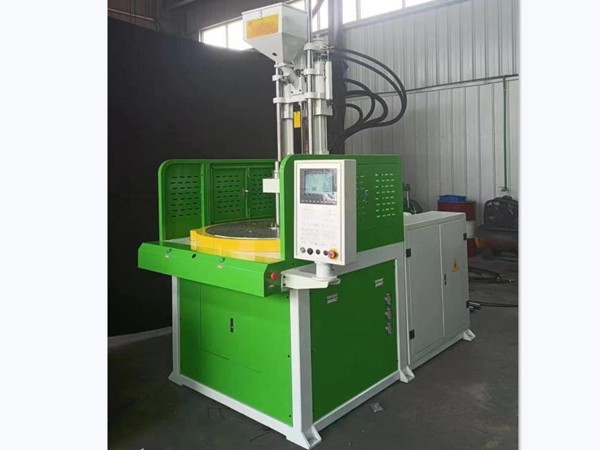
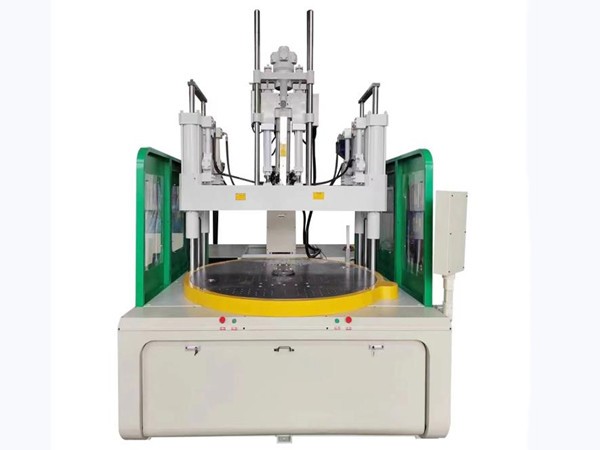
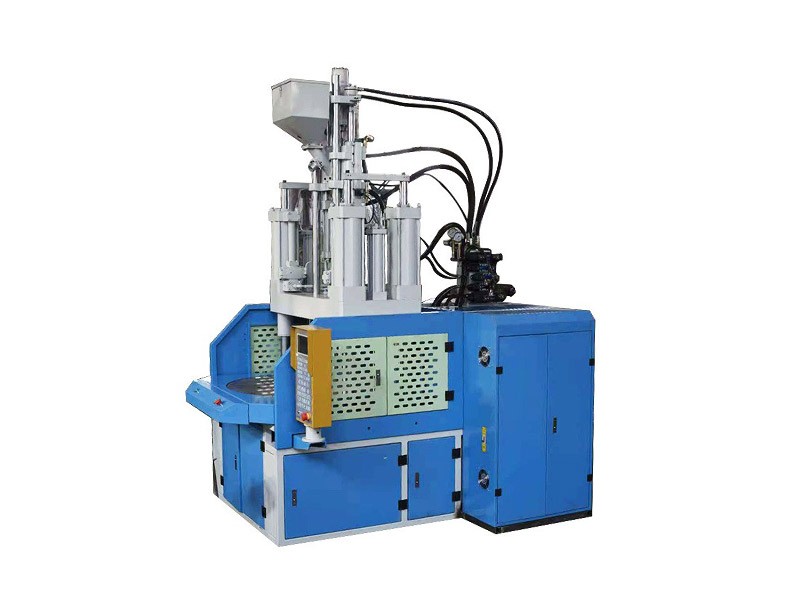
A rotary injection molding machine helps you make plastic parts fast and with care. You use this machine when you need to make many things quickly. The machine has a spinning table called a rotary table. This table lets you work on more than one mold at the same time. You can put a new mold in while another is being filled with plastic. This saves time and makes your job easier.
Factories use rotary injection molding machines to make big or tricky parts. Car makers use them for large plastic pieces. The machine has a horizontal mold clamping system and a rotating injection unit. Using a rotary injection molding machine gives you better results for parts that need to be very exact.
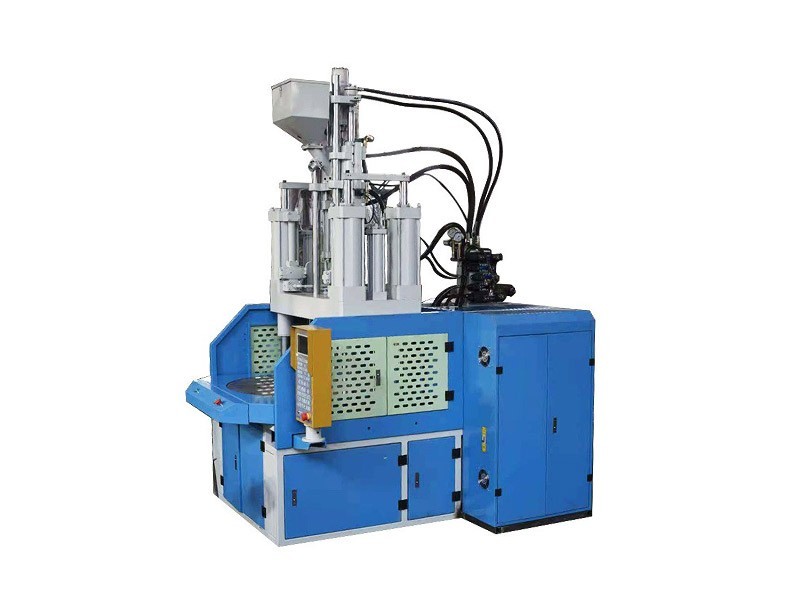
HONLED’s Vertical Rotary Platen Injection Molding Machine is a good example. It uses new rotary table technology and can run many stations at once. You can trust it for both small and big jobs.
Key Features
There are many good things about using a rotary injection molding machine. Here are some main features:
The rotary table lets you load and unload molds at the same time, so you work faster.
Multi-station operation means you can use several molds in one cycle.
You get very exact parts because of the advanced control system.
The small design saves space in your factory.
You can ask for special setups, like different clamping forces or mold sizes.
The machine can use robotic arms for full automation, making your job easier and safer.
You can change molds quickly, often in just 15 minutes, because of the modular design.
Here is a table that shows how a rotary injection molding machine compares to other types:
Evaluation Dimension | Rotary Injection Molding Machine | Traditional Horizontal Injection Machine | Traditional Vertical Injection Machine |
|---|---|---|---|
Production Efficiency | High (Parallel processing, 30%-50% shorter cycle times) | Medium (Serial processing, requires separate part removal time) | Low to Medium (Suitable for small-batch precision parts) |
Multi-Component Molding Capability | Excellent (Supports integrated molding of 2-4 components) | Limited (Requires multiple injections + secondary assembly) | Limited (Primarily for single-component molding) |
Initial Investment | High (Equipment cost is 1.5-3 times that of traditional machines) | Medium (Standardized equipment, controllable costs) | Low (Suitable for small-scale production) |
Operational Costs | Low (High output per person, 30% energy consumption optimization) | Medium (Requires more human intervention) | High (Low production efficiency, high labor proportion) |
Applicable Product Types | Multi-component products (e.g., automotive seals, electronic housings, medical devices) | Single-component high-volume products (e.g., daily necessities, packaging containers) | Small precision parts (e.g., connectors, micro gears) |
Maintenance Complexity | Medium to High (Rotary mechanisms require specialized maintenance) | Low (Mature technology, simple maintenance) | Low (Simple structure, easy maintenance) |
When you look at HONLED’s Vertical Rotary Platen Injection Molding Machine, you see even more good things:
High efficiency and precision for every cycle.
Energy-saving design helps you spend less money.
Special vertical rotary table for making multi-color and multi-material parts.
High-precision servo control system with accuracy up to ±0.02mm.
Works with robotic arms for fully automated production.
30% more production efficiency and 40% less energy use.
Quick mold changes with a modular design.
The rotary table design gives you extra benefits. You can use more than one mold at once, which saves time. Automation features lower labor costs and make your work easier. Devices for automatic inserting and removing parts let you run the machine with little help. The double-station turntable gives you steady spinning and exact placement, so you get better results every time.
If you want a machine that is both fast and exact, a rotary injection molding machine is a smart pick. HONLED’s model is special because it puts all these features in a small and strong package.
How It Works
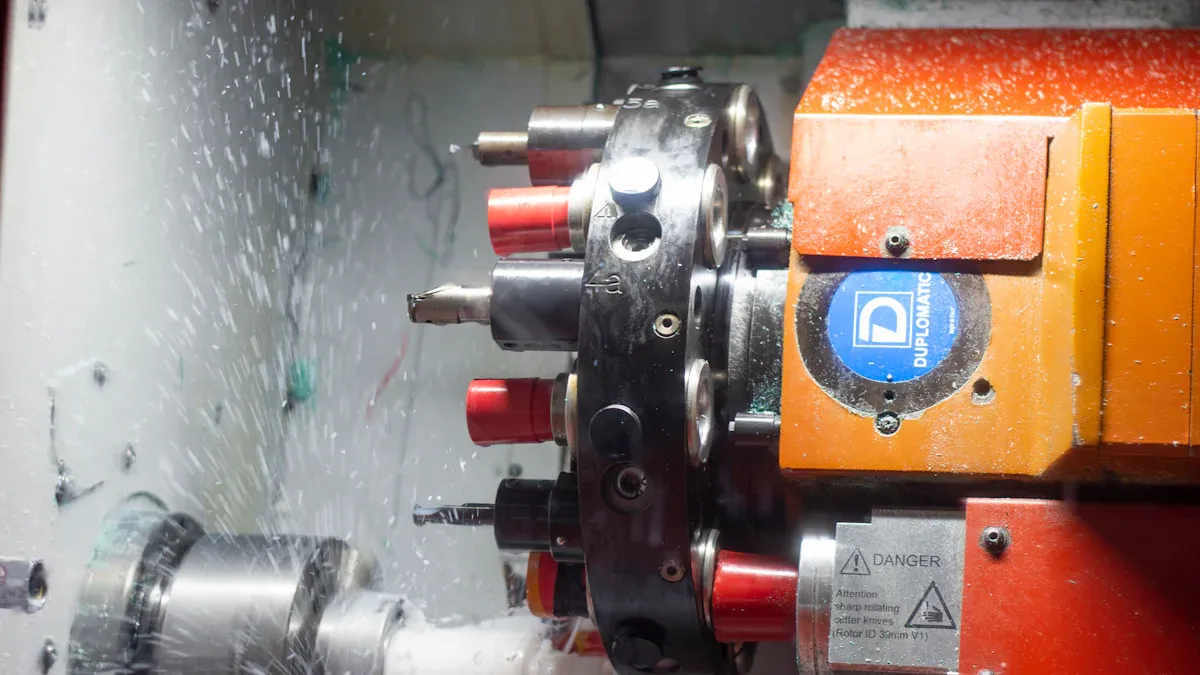
When you know how a rotary injection molding machine works, you see why it is different from other machines. The process uses a rotary table to make things faster and more exact. Let’s look at each step.
Material Loading
First, you put raw plastic into the machine. Rotary injection molding machines can use many kinds of plastics. Some common ones are:
Polyethylene: It costs less and resists chemicals and water.
Polypropylene: It stands up to heat, chemicals, and wear.
Nylon: It is strong and handles heat and chemicals.
Polycarbonate: It is stiff and does not burn easily.
Plastomer: It bends well and is tough.
Thermoplastic elastomer (TPE): It works in hot and cold places.
Plasticized polyvinyl chloride (PVC): It is strong and bends easily.
Polyvinylidene fluoride (PVDF): It resists chemicals and heat.
You pour the plastic into the hopper. The machine moves it into the barrel to get ready for the next step. The best plastic depends on what you want to make and what you need it to do.
Injection Process
After loading, the machine heats the plastic until it melts. The melted plastic goes through the barrel to the mold. The injection unit pushes the plastic into the mold with high pressure. This is the main step in rotary injection molding.
Here is a table that shows the usual pressures and temperatures for different plastics:
Plastic Type | Injection Pressure (MPA) | Barrel Temperature Front Section (℃) | Mold Temperature (℃) |
|---|---|---|---|
Ethyl cellulose EC | 1 | 200-230 | 38-66 |
Polypropylene thermoplastic elastomer PP/EPDM | 35-138 | 290-310 | 80-130 |
Poly-4-methylpentene | 80-130 | 275-280 | 80-130 |
Polytrifluoroethylene PCTFE | 80-130 | 300-310 | 120-150 |
Polyphenylene sulfide PPS | 80-130 | 300-310 | 120-150 |
The machine uses controls to keep the speed and pressure right. This helps you get exact parts with fewer mistakes. The automatic oil system keeps the machine working well, so you get good results every time.
Rotary Table Movement
The rotary table makes this machine special. After injection, the table turns and moves the mold to the next spot. This lets you put in a new mold while another cools or fills. The table can turn 90°, 120°, or 180°, based on what you need.
Here is how the rotary table helps:
Rotary Table Feature | Purpose |
|---|---|
Alternates between multiple molds | Lets you use different plastics or colors one after another |
High-accuracy rotation | Makes sure each mold lines up right every time |
Supports multi-shot molding | Lets you make tricky, multi-plastic products |
Automation compatibility | Works with robots to load and take out parts |
Synchronized movement | Matches robot timing and injection for smooth work |
Boosts production efficiency | Cuts down on manual work and mistakes |
The rotary table lets you do many jobs at once. While one mold fills, another cools, and another unloads. This means you wait less and make more parts.
Cooling and Ejection
After injection, the mold goes to the cooling spot. Here, the plastic cools and gets hard. Cooling is important because it stops problems like dents and bending. Rotary injection molding gives each part enough time to cool before you take it out.
When the part is cool, the ejection system pushes it out of the mold. This system works fast and gently, so parts do not break. Automatic ejection lowers mistakes and keeps your line moving.
Tip: Good cooling and quick ejection help you get better parts with fewer problems.
Using a rotary injection molding machine helps you work faster and more exactly. The machine’s automatic features, like oiling and robots, save time and lower work costs. You can count on this process to give you good parts every time.
Rotational Molding vs. Rotary Injection Molding
Process Differences
You might ask how these two methods work. Both make plastic products, but they are not the same. Rotational molding spins the mold to shape the plastic inside. Rotary injection molding pushes melted plastic into a mold with strong pressure. Look at the table below to see the main ways they are different:
Aspect | Rotational Molding | Injection Molding |
|---|---|---|
Process | Uses a spinning motion to form products. | Uses high-pressure injection to fill a mold. |
Material | Utilizes powdered plastic resin or fluid. | Starts with molten plastic pellets. |
Cycle Time | Typically takes around 3 hours. | Can range from 2 minutes to 1 hour. |
Rotational molding uses powder or liquid plastic. The mold gets hot and spins so the plastic sticks to the sides. This takes a long time. Rotary injection molding uses small plastic pellets that melt fast. The machine pushes the melted plastic into the mold. You get parts faster and can control the shape better.
Application Comparison
Rotational molding is good for making hollow things like tanks, balls, or big containers. It works best for large and simple shapes. Rotary injection molding is used for small, detailed parts like car pieces, electronics, or medical tools. You can use many molds at once, so you work faster.
Here are some reasons rotary injection molding is better for jobs that need to be exact:
You can use more than one mold at the same time, so you make more parts.
You can make tricky shapes because you control the pressure.
You do not waste much plastic because the process is very careful.
Rotational molding is best for big, hollow items. Rotary injection molding is better for small, detailed, or many-part things. You save time and get better results. Rotary injection molding helps you make more parts with less work.
Tip: If you want to make things fast and need exact shapes, rotary injection molding is the best pick. Rotational molding is good for simple, hollow things.
Applications
Industries
Rotary injection molding machines are used in many fields. They help make products fast and very exact. HONLED gives custom machines to people all over the world. These machines are found where strong and detailed items are needed.
Here is a table that shows which industries use rotary injection molding and what share they have in the market:
Industry | Market Share Description |
|---|---|
Automotive | Major end-user, utilizing molding for parts like fuel tanks, bumpers, and interiors. |
Construction | Significant share with applications for tanks, pipes, and other infrastructure components. |
Consumer Goods | Producing plastic toys, storage containers, and household products, driving market growth. |
Healthcare | Included in the market segmentation but less emphasized in the provided data. |
Car companies use rotary injection molding for car parts. Construction uses it for pipes and tanks. Makers of toys and home goods use it for many products. Healthcare uses it for medical tools and devices.
Product Types
Rotary injection molding machines can make many kinds of products. You can make simple or hard plastic parts with great detail. These machines work well for thermoset and multi-material molding. The products are strong and last a long time.
Here are some products you can make with rotary injection molding:
Two-component oxygen masks for hospitals
Pen holders with business card holders for offices
Eye wash cups for medical use
Infusion caps for healthcare
Two-color bowls for kitchens
Ultra-thin multi-color keycaps for electronics
Car taillights and three-color tail lights for vehicles
Baby care items for families
Medical devices for clinics
Automotive components for cars
Rotary injection molding lets you use different colors and materials at once. You can change molds fast and keep making products. This process is quick and helps many industries. HONLED’s machines give you good quality and speed for every job.
Tip: If you need to make tricky plastic parts or use many materials, rotary injection molding is a smart pick. You get strong, detailed products with less waste and faster work.
You can make more products with a rotary injection molding machine. This machine has a rotary table that helps you work fast. It makes parts that are exact and saves energy. HONLED’s Vertical Rotary Platen Injection Molding Machine is small but powerful. It has many new features that help you do better work. Here are the main benefits:
Benefit | Description |
|---|---|
Makes more parts in less time | |
Energy Saving | Uses less electricity with a special motor |
High Precision | Makes parts that fit together very well |
Flexible Adaptability | Lets you change molds fast and use many molds at once |
Automated Integration | Can use robots to help with the work |
HONLED helps people all over the world. They give training, a warranty, and expert help. Pick HONLED to make your factory smarter and more dependable.
FAQ
What makes a rotary injection molding machine different from other machines?
A rotary injection molding machine helps you make more parts faster. The rotary table spins so you can load, mold, and cool at once. This design lets you finish each cycle quickly and get better parts.
Can you use a rotary injection molding machine for multi-material products?
Yes, you can use it for that. The rotary system lets you use different molds and materials in one cycle. You can make things with two or more materials. The rotary table makes switching materials fast and simple.
How does the rotary table improve efficiency?
The rotary table moves molds to different stations. One mold fills, another cools, and another unloads at the same time. This means you do not have to wait between steps. You make more parts in less time with this process.
Is a rotary injection molding machine good for small spaces?
Yes, it works well in small spaces. The rotary design takes up less room. You can fit this machine in a smaller area than many others. The compact system helps you use your space better.
What industries use rotary injection molding machines?
Many industries use rotary injection molding machines. You find them in car making, electronics, medical, and consumer goods. The rotary process helps make strong and detailed parts for many things.