




5 Core Advantages of Rotary Injection Molding Machine Analysis
 Aug 08, 2025|
 View:1167
In modern manufacturing, injection molding technology is widely used in the production of plastic products. Rotary platen injection molding machines, with their unique design and high production efficiency, have become the preferred equipment for many companies. Compared to traditional fixed-platen injection molding machines, rotary injection molding machines offer significant advantages in efficiency, precision, and energy consumption. This article will delve into its 5 core advantages, helping readers understand why more and more companies are choosing this rotary injection molding machine.

I. High-Efficiency Production: Reduced Cycle Times and Increased Production Capacity
In traditional injection molding machines, mold closing, injection, cooling, and demolding are performed sequentially, with each step requiring the completion of the previous one, resulting in a longer production cycle. rotary injection molding machine, however, employ a multi-station rotary design, allowing injection molding at one station while simultaneously cooling or demolding at another, thus achieving parallel production.
Specific Advantages:
Shorten Production Cycle: Simultaneous execution of multiple processes reduces overall production time by 30%-50%.
Enhanced Equipment Utilization: Unlike traditional injection molding machines, which remain idle during the cooling phase, rotary table machines maintain consistent high-efficiency operation.
The rotary injection molding machine is suitable for mass production: For example, parts requiring rapid molding, such as bottle caps, plastic tableware, and electronic connectors, can increase production capacity by more than 40%.
II. Energy Saving and Electricity Conservation: Reducing Operating Costs
Traditional injection molding machines consume significant energy due to the frequent activation of the hydraulic system during mold closing and opening. Rotary Injection Molding Machines, however, minimize unnecessary energy loss through optimized design, resulting in reduced electricity costs.
Energy-Saving Technology Analysis:
Servo Motor Drive: 20%-40% more energy-efficient than traditional hydraulic systems.
Rotary Mold Clamping: Reduces energy consumption during mold opening and closing.
Thermal Energy Recovery: Some models are equipped with a thermal energy recovery system to reuse the waste heat generated during the injection molding process.
III. High Precision and Stability: Ensuring Product Quality
Many precision plastic parts (such as electronic components and medical devices) have extremely high dimensional accuracy requirements. Traditional injection molding machines may cause large product tolerances due to mold wear or hydraulic fluctuations. However, Rotary Injection Molding Machines utilize closed-loop servo control systems to ensure precise execution of each step.
Precision Assurance Measures:
Positioning accuracy ±0.01 mm: Suitable for precision components such as miniature gears and mobile phone casings.
Constant Temperature Control System: Minimizes deformation caused by temperature fluctuations.
Real-time Pressure Monitoring: Ensures stable injection pressure, preventing short shots or flash.
Industry Applications: In the medical industry, products such as syringe plungers and infusion connectors require extremely high dimensional accuracy. Rotary Injection Molding Machine can ensure a 100% pass rate.
IV. Flexible Adaptability to Various Molds: Enhancing Production Diversity
Traditional injection molding machines typically accommodate only one mold at a time. Switching product types requires machine downtime for mold changes, thus impacting production efficiency. In contrast, rotary table injection molding machines support multi-cavity molds and rapid mold-change systems, enabling flexible adaptation to various production demands.
Flexibility Demonstrated:
Multi-station molds: Allow for the simultaneous installation of 2-4 different molds to produce various products.
Magnetic template mold change: Reduces mold change time from 30 minutes to 3 minutes, improving equipment utilization.
Compatibility with Complex Structures: Suitable for molds with special requirements such as side-core pulling and screw demolding.
V. Automated Integration: Reduced Manual Intervention
With the advancement of Industry 4.0, automated production has become a trend. Rotary Platen Injection Molding Machines can be easily integrated with robotic arms, conveyor belts, and vision inspection systems to achieve unmanned production.
Automation Advantages:
Automated part picking by robotic arm: Reduces manual operation and minimizes the risk of workplace injuries.
Online Quality Inspection: Automated defect identification via camera, improving the yield rate.
Data Monitoring: Real-time recording of production parameters for process optimization.
Rotary Injection Molding Machines, with their high efficiency, low energy consumption, high precision, flexible mold changing, and automation compatibility, are the ideal choice for modern injection molding industries. Whether for large-scale standardized production or small-batch, multi-variety orders, they help enterprises reduce costs and enhance competitiveness. In the future, with the popularization of intelligent manufacturing, the application range of Rotary Injection Molding Machines will further expand, becoming core equipment in the plastics processing industry.
Recommended Products

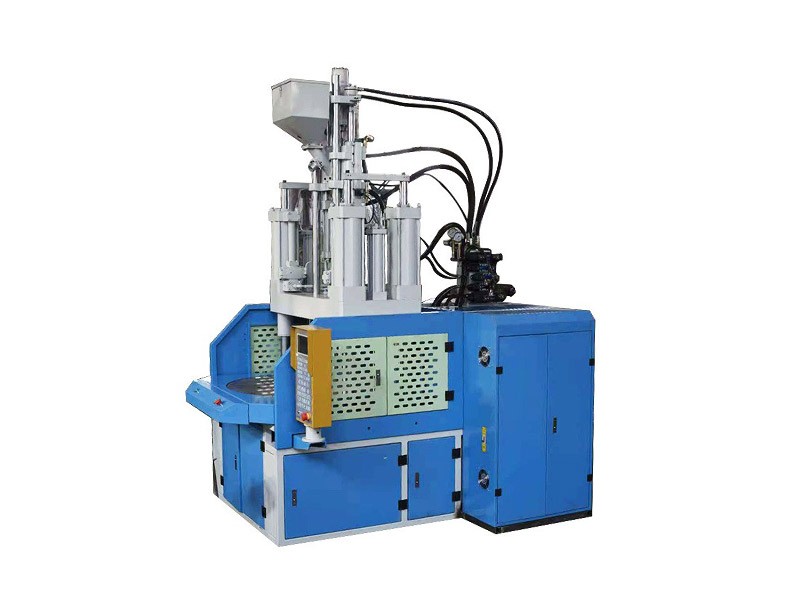
Fully Automatic Rotary Plastic Injection Molding Machine
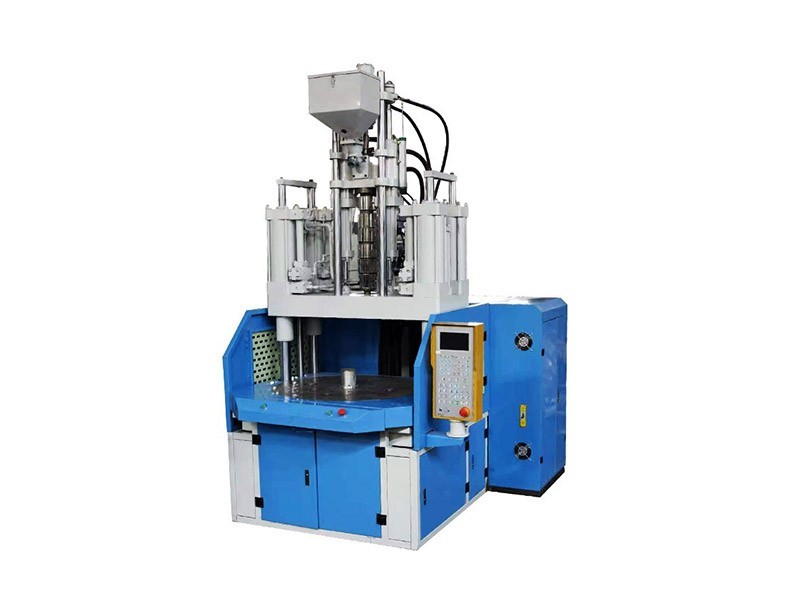
Vertical Injection Molding Machine with Rotary Table
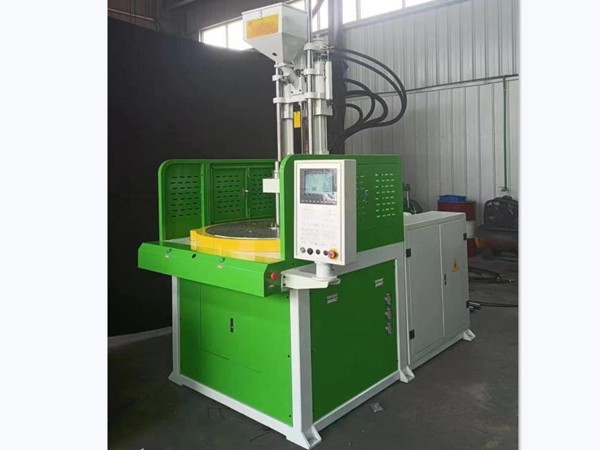
Rotary Table Injection Molding Machine | Vertical Injection Machine
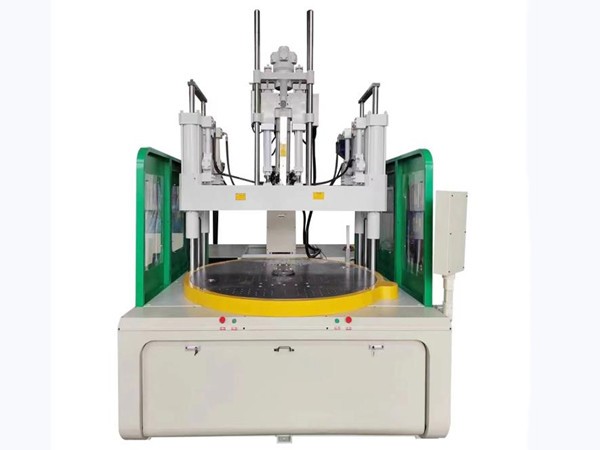
HYD1500(2R/3R) 150 Ton Rotary Table Vertical Insert Molding Machine
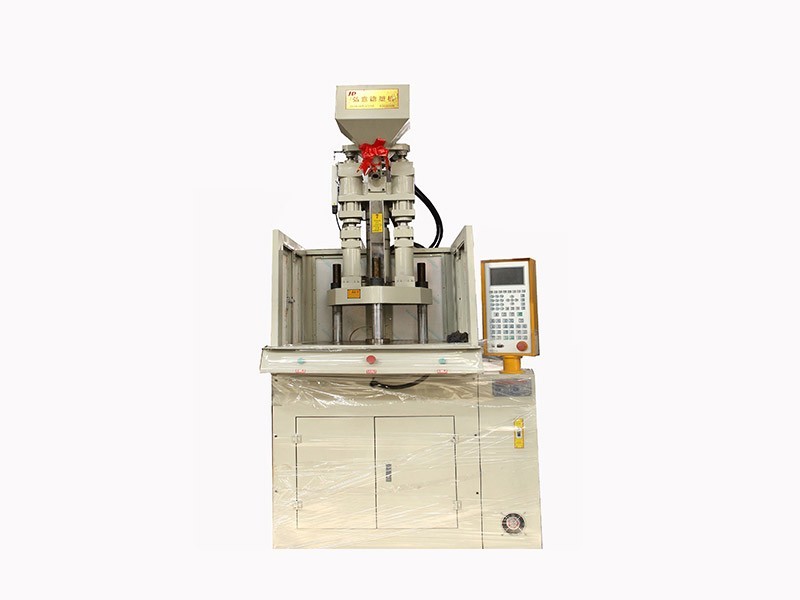
HYD 600(2R/3R) 60 Ton Rotary Vertical Injection Moulding Machine

HYD 450(2R/3R) 45 Ton Vertical Rotary Plastic Injection Molding Machine
Vertical Rotary Table Injection Molding Machine for Hardware Fitting