




What is a rotary table injection molding machine?
 Nov 19, 2025|
 View:753
A rotary table injection molding machine is one of the most efficient and advanced systems used in the plastics manufacturing industry. If you have ever wondered how factories produce large volumes of plastic parts quickly, smoothly, and with impressive consistency, the answer often involves a rotary injection machine. This type of machine uses a rotating table to speed up the production cycle, improve efficiency, and support continuous molding operations. In other words, it is a game changer for manufacturers who need high productivity without compromising quality.
This article breaks down everything you need to know about rotary injection molding and how a rotary injection molding machine works. You will also learn the benefits, applications, and factors to consider when choosing this type of equipment. Written in a conversational style, this guide helps you understand this technology even if you are not a plastics engineer.

Understanding the Basics of Rotary Injection Molding
To understand a rotary injection molding machine, you first need to understand the basic concept of rotary injection molding itself. Rotary injection molding is a manufacturing technique where the mold rotates between different stations. Unlike traditional injection machines where only one mold cavity is used during each cycle, rotary systems allow multiple steps to occur at the same time. For example, while one mold is being injected, another mold can be cooling or undergoing part removal. This multi station workflow is what allows a rotary injection machine to significantly speed up production.
This method is especially valuable for products that require inserts, multi material molding, or short cycle times. The rotating table creates a smooth, continuous process that keeps the machine running efficiently and reduces downtime.
How a Rotary Table Injection Molding Machine Works
A rotary injection molding machine combines traditional injection molding technology with a rotating indexing table. The basic operation involves several major steps. First, plastic pellets are heated until they melt. The molten plastic is then injected into the mold under high pressure. What makes rotary injection molding unique is that the mold is mounted on a rotating platform. After one mold cavity receives the molten plastic, the table rotates to bring another cavity into the injection position.
The system usually includes multiple stations positioned around the rotating table. Each station performs a different part of the molding cycle. One station may perform injection, another cooling, another part removal, and another preparation. This continuous rotation keeps the molding cycle moving at all times. The moment the table rotates and exposes a new cavity to the injection unit, the machine is ready for the next shot of molten plastic. This is why a rotary injection machine increases productivity compared to a standard molding system.
Main Components of a Rotary Injection Molding Machine
A rotary table injection molding machine includes several essential components that work together to create a fast and stable molding process. Although designs may vary from one manufacturer to another, the core components are usually similar.
Injection Unit
The injection unit is the part of the machine that melts and injects plastic. It includes the hopper, barrel, screw, and nozzle. It is responsible for heating plastic pellets, creating pressure, and delivering molten material into the mold cavity.
Rotary Table
The rotary table is the heart of a rotary injection molding machine. This rotating platform holds the mold or molds and indexes from one station to another. It allows different steps of the molding process to occur at the same time.
Mold Clamping System
This system secures the molds in position during injection. It keeps the mold closed under pressure to prevent defects such as flash or incomplete filling.
Control System
Modern rotary injection machines use advanced control units that manage temperature, pressure, speed, and timing. These systems help ensure consistent part quality.
Cooling System
Cooling is extremely important in injection molding. The faster a molded part cools, the faster it can be removed. Rotary injection molding machines often include efficient cooling channels and water circulation systems.
Why Manufacturers Use Rotary Injection Molding Machines
Companies choose rotary injection molding machines for many reasons. The benefits are substantial, especially for large volume production or complex part designs. Here is a deeper look at why manufacturers often prefer rotary injection molding.
Higher Productivity
One of the biggest advantages of a rotary injection machine is increased productivity. Because different stations operate simultaneously, the machine spends less time waiting and more time producing. The rotation table effectively creates a continuous cycle.
Reduced Cycle Time
Cycle time refers to how long it takes to produce one part. Rotary injection molding machines significantly reduce cycle time because injection, cooling, and part removal happen at the same time across different stations.
Better Efficiency for Insert Molding
Insert molding requires placing metal or plastic inserts into the mold before injection. A rotary table allows one station to handle insert loading while another performs molding. This eliminates delays and speeds up production.
Improved Operator Safety
Because the rotating table divides tasks into stations, operators work away from the injection side. This reduces the risk of injury and supports safer operations.
Greater Production Stability
Continuous rotation keeps the molding process stable. Temperature control, pressure control, and cooling efficiency remain consistent from one cycle to another.
Lower Labor Requirements
Rotary injection molding machines often reduce the number of operators needed since multiple stages are automated or handled by the rotating mechanism.
If you need help selecting the right rotary injection molding machine for your factory, HONLED Plastics Machinery Co., Ltd. can provide 1-on-1 consultation. Send your inquiry to echo@hydsjmachinery.com for fast support.

Common Applications of Rotary Injection Molding Machines
Rotary injection molding machines are widely used in many industries. Manufacturers choose this technology when they need large quantities of small to medium sized plastic parts, or when insert molding is required.
Automotive Industry
Small connectors, clips, seals, and multi material parts in cars are often produced using rotary injection molding. The speed and precision make it an ideal choice for automotive suppliers.
Medical Devices
Products such as syringes, caps, housings, and disposable components often require consistent quality and fast production. Rotary injection machines help achieve this.
Consumer Electronics
Plastic components used in phones, chargers, and small appliances benefit from the stable and efficient production cycle of rotary injection molding.
Packaging Industry
Caps, closures, and small packaging parts are frequently molded using rotary systems due to their high output capability.
Household Products
Items such as kitchen tools, small accessories, and multi part assemblies can also be efficiently molded with this type of machine.
Comparing Rotary Injection Molding to Traditional Injection Molding
Traditional injection molding and rotary injection molding both produce plastic parts, but they work in different ways. Understanding the differences helps you decide which process is best for your production needs.
Production Speed
Traditional machines perform one step at a time. A rotary injection molding machine performs multiple steps simultaneously, which results in much faster output.
Flexibility
Rotary systems are ideal for parts requiring inserts or materials loaded at different stages. Traditional systems may require additional manual labor for these tasks.
Complexity
A rotary injection machine is more complex and requires more advanced control systems. However, the increased efficiency often justifies the higher initial cost.
Cost Effectiveness
For high volume production, rotary injection molding is more cost efficient in the long run because of reduced cycle time and automation.
Key Factors to Consider When Choosing a Rotary Injection Molding Machine
Selecting the right rotary injection molding machine is a major business decision. Here are important factors to evaluate before purchasing.
Production Requirements
Identify your expected output volume. Rotary machines are ideal when you need continuous, high speed production.
Product Complexity
If your products require inserts or multiple materials, a rotary injection machine is usually the better choice.
Machine Size
Rotary table machines come in various sizes and clamping forces. Choose the model that fits your mold dimensions and projected demand.
Automation Level
Some rotary machines include robotic systems for loading and unloading. Consider how much automation your production line needs.
Energy Consumption
Energy efficient models reduce long term operational costs. Machines with modern servo systems often provide better energy savings.
Maintenance and Technical Support
Choose a manufacturer that offers strong technical support, spare parts availability, and long term service.
Advantages of Using a Rotary Injection Machine in Modern Manufacturing
Rotary injection molding continues to grow in popularity because it solves many challenges that manufacturers face.
Consistent Product Quality
Because every cycle follows the same steps with minimal interruption, parts remain consistent from start to finish.
Space Saving Design
By combining multiple functions into one machine, rotary injection molding machines reduce the need for multiple workstations.
Increased Output Without Increasing Labor
Automation and rotation reduce the need for additional labor, helping companies improve efficiency while lowering costs.
Better Heat and Pressure Distribution
The stability of the rotating table helps maintain ideal injection conditions, which leads to higher quality parts.
Is a Rotary Injection Molding Machine Right for Your Business
Deciding whether a rotary injection machine fits your business requires understanding both your current and future production needs. If you produce large quantities of small molded parts, or if your operations require insert molding, a rotary injection molding machine can dramatically improve output and reduce costs. If your production volume is low or you manufacture large plastic components, a traditional injection molding machine may still be more suitable.
Conclusion
A rotary table injection molding machine is an advanced, high efficiency system designed to improve productivity, reduce cycle time, and create consistent molded parts. Through the use of a rotating table, multiple stations, and synchronized operations, a rotary injection machine delivers continuous manufacturing performance that traditional systems cannot match. Rotary injection molding is widely used in automotive, electronics, medical devices, packaging, and many other industries that depend on fast, accurate, and stable production.
Understanding how a rotary injection molding machine works helps you choose the right equipment, plan your production line, and improve your manufacturing results. With growing demand for high quality molded plastic parts, rotary injection molding remains one of the most valuable technologies in the injection molding industry.

Recommended Products

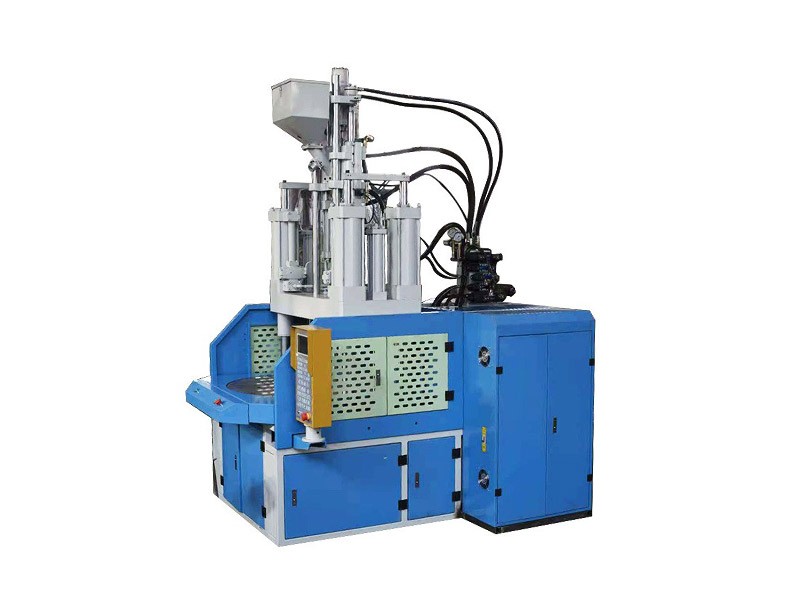
Fully Automatic Rotary Plastic Injection Molding Machine
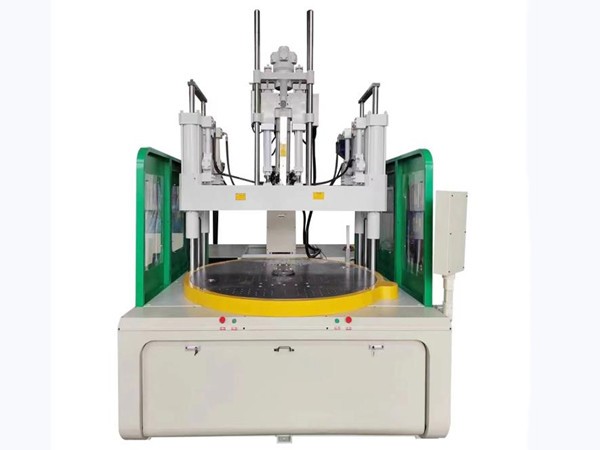
HYD1500(2R/3R) 150 Ton Rotary Table Vertical Insert Molding Machine
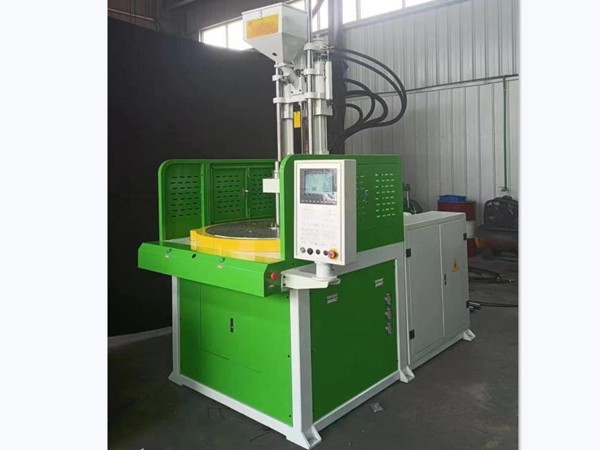
Vertical Rotary Table Injection Molding Machine for Hardware Fitting
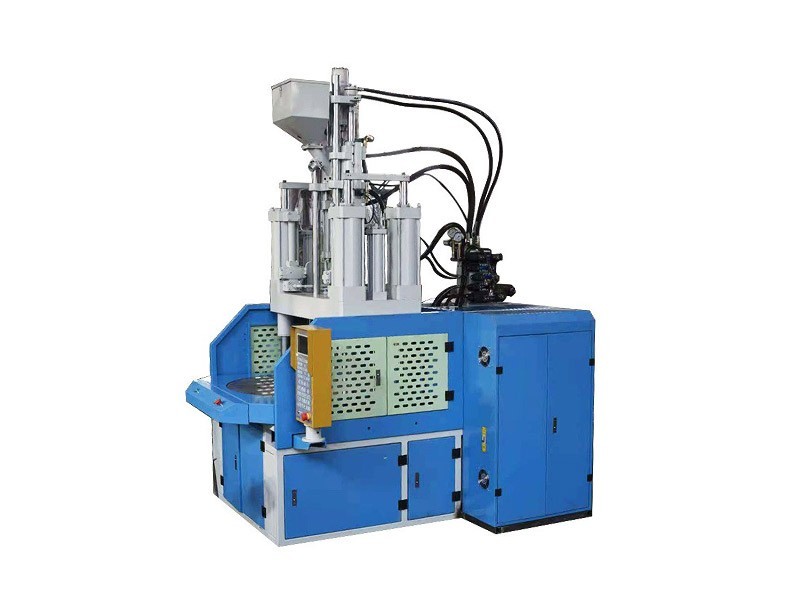
HYD 850(2R/3R) 85 Ton PVC Vertical Rotary Moulding Machine
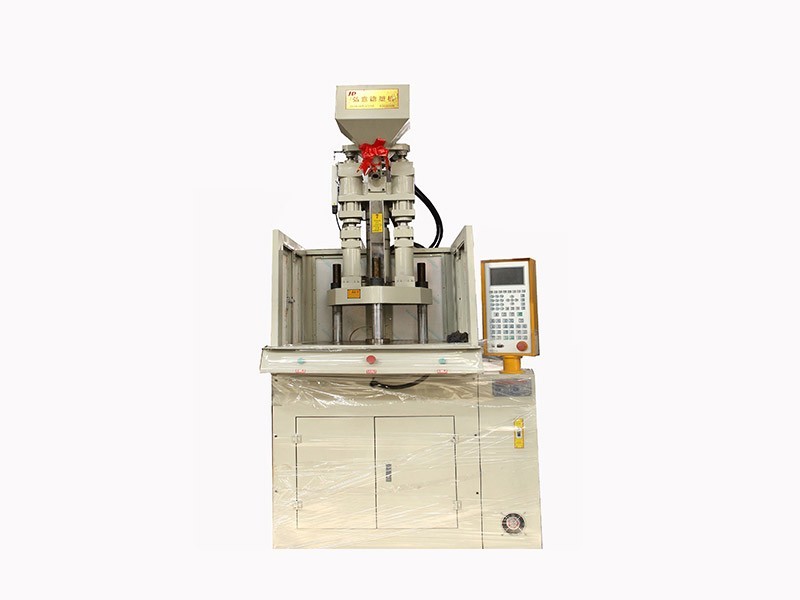
HYD 600(2R/3R) 60 Ton Rotary Vertical Injection Moulding Machine

HYD 450(2R/3R) 45 Ton Vertical Rotary Plastic Injection Molding Machine
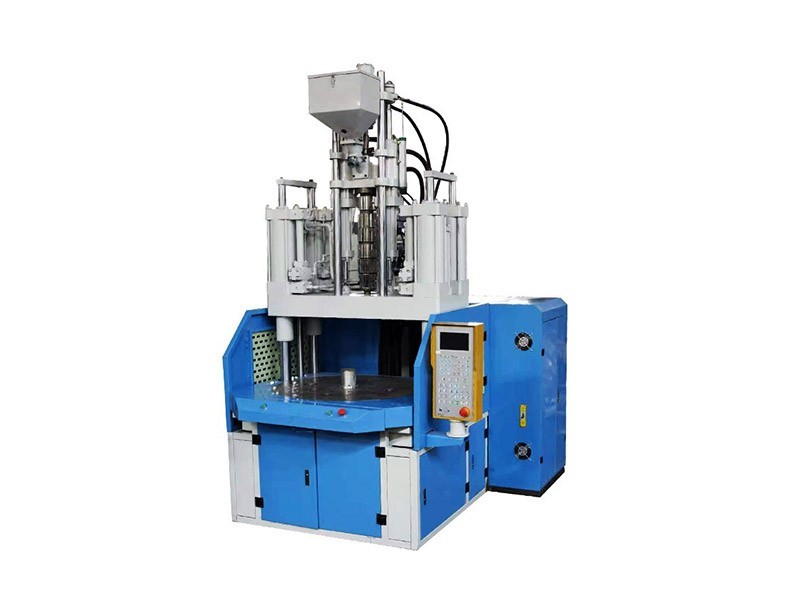
Vertical Injection Molding Machine with Rotary Table
Rotary Table Injection Molding Machine | Vertical Injection Machine

Recent News
1.What is double colour injection moulding machine?
2024-09-092.How much does a plastics moulding machines cost?
2024-09-023.How much does an industrial plastic injection molding machine cost?
2024-08-234.Advantages of Sole Injection Molding Machines
2024-10-215.Understanding PVC Sole Making Machines: A Comprehensive Overview
2024-10-176.Safety Helmet Injection molding machine Guide
2024-10-117.How Does a PU Sole Making Machine Work?
2025-02-058.Key Features of Vertical Injection Machines for Soccer Outsole
2024-12-31