




What Is The Process Of Two-color Injection Molding?
 May 09, 2025|
 View:1221
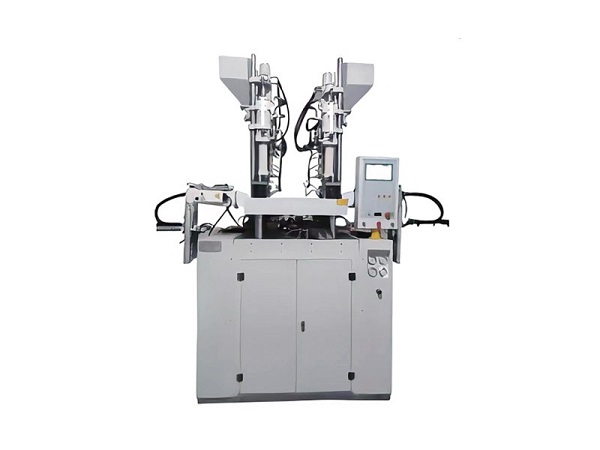
In recent years, the demand for the appearance and functions of products in the consumer electronics, automotive manufacturing, and home appliance industries has become increasingly diverse, driving the rapid development of two-color injection molding technology. What is the process of two-color injection molding? As an advanced process that combines aesthetics and practicality, its core lies in achieving a seamless combination of two different materials or colors through a special device - the double color injection molding machine. This article will deeply disassemble the entire process of this technology to help readers clearly understand its operating principles and key links.
Basic Principles and Equipment Requirements of Two-Color Injection Molding
The essence of two-color injection molding is to inject two kinds of materials (such as plastics with different colors or propertie) layer by layer into the same mold cavity and finally forming the product, which is widely used because of its obvious economic benefits and environmental benefits. The above process cannot be separated from the double injection molding machine for support, and the design requirements need to meet as following:
Double-component Injection Molding System
Separate barrel and screw: the machine requires two sets of independent injection moulding systems for independently controlling the melting and injection of the two kinds of materials.
Synchronous Control Technology: Guarantee the precise synchronization of the two materials in their injection timing, injection pressure, and temperature to eliminate uneven mixing or stratification of the two materials.
Rotating Mold Structure
A rotatable structure is generally used for this mold. The mold is rotated 180° after a first injection molding operation to perform a second injection molding operation. Such a structure makes it possible for the product to complete the composite structure without multiple openings of the mold.
Temperature and Pressure Monitoring System
Real-time high precision sensors allow monitoring the melt temperature and the cavity pressure so that a strong bonding interface is achieved between the two materials with no bubbles.
Complete Process Flow of Two-Color Injection Molding
Stage 1: Raw Material Preparation and Pretreatment
Material Selection: Select two kinds of plastics with good compatibility (such as ABS + TPU or PC + PMMA) according to the product requirements.
Drying Treatment: Raw materials are dried to eliminate moisture so that no bubbles or cracks occur after injection molding.
Stage 2: First Injection Molding (Base Material Injection)
Shut The Mould: The double color injection moulding close the mold and operates the first injection molding unit.
Melting and injection: The first material is heated and melted, and then injected into the mold cavity to produce the base part of the product
Cooling and Shaping: The base material is initially cooled and solidified in the mold cavity, and the surface still maintains a certain temperature, so that adhesion of the second layer is enhanced.
Stage 3: Mold Rotation and Secondary Injection Molding
Rotary Switch: Mould is rotated to the second injection molding position automatically, ensure precise alignment of the two injection molding areas.
Secondary Melting and Injection: A second injection molding unit injects a second material over the partially formed base to fill the remaining space.
Bonding Interface Adjust: The cross-linking between two materials can be realized at the molecular level by changing the injection speed and pressure to ensure the bonding strength.
Stage 4: Mold Opening and Post-treatment
Demoulding and Removal: After the mold is opened, the manipulator automatically removes the finished product to avoid deformation or contamination caused by manual contact.
Trimming and Inspection: Remove the burrs and check whether the bonding line is smooth and whether the color transition is natural.
Core Advantages and Applicable Scenarios of Two-Color Injection Molding
Integration of Function and Aesthetics
Achieve the combination of soft and hard through a two-color design (such as the anti-slip layer of the handle), and the coexistence of transparent and opaque areas (such as the light guide strip of vehicle lights).
Reduce traditional painting or labeling processes and lower production costs.
Improve Product Reliability
The chemical bonding of the two materials is more resistant to high temperatures and aging compared to adhesive bonding, making it suitable for harsh environments such as automotive interior parts.
Typical Application Areas
Consumer Electronics: Mobile phone buttons, smart watch straps.
Medical Equipment: Two-color handles, anti-slip markings.
Industrial Components: Sealing rings, shock-absorbing gaskets.
How to Select a Suitable Double Injection Molding Machine?
Matching of Injection Molding Unit Capacity
Select the screw diameter and injection volume according to the product size to avoid energy consumption waste caused by "using a large machine for a small task".
Rotational Accuracy and Stability
The repeated positioning accuracy of the mold rotation axis needs to be ≤ 0.01° to prevent the offset of the two injection molding positions.
Energy Conservation and Automation Level
Give priority to models equipped with servo motors and automatic mold change systems to shorten the production cycle.
Common Problems and Solutions
Insufficient Bonding Line Strength
Optimize the material pairing (such as selecting plastics with similar melt indices) and increase the mold temperature (usually 80-120°C).
Color Contamination
Increase the mold exhaust slots and reduce the injection speed of the second shot to avoid the melt breaking through the boundary of the first layer.
Low Production Efficiency
Adopt a hot runner system to reduce waste and cooperate with a manipulator to achieve a fully automatic cycle.
Conclusion
Through the precise control of the double color injection molding machine, the two-color injection molding technology successfully achieves a balance between material innovation and process efficiency. Whether it is to enhance the added value of products or meet complex functional requirements, this technology has become an indispensable solution in modern manufacturing. Understanding its core processes and key points of equipment selection will help enterprises more effectively respond to market challenges and gain a head start in the competition.