




What Is Clamping Force In Injection Molding?
 May 13, 2025|
 View:1606
In the injection molding industry, the clamping force is one of the most significant parameters that affect product quality and production efficiency. The growth in demand for precision products, such as consumer electronics and automotive components, makes precise control over the clamping force of the injection molding machine the key for enterprises to improve their competitiveness. What is clamping force in injection molding? In a word, the clamping force is the force with which the injection molding machine holds the mold against the pressure of the expansion when the molten plastic is injected, so as to ensure the complete and closed mold, and to prevent the burrs or the raw materials leakage. This article will, step by step, integrate the definition, calculation logic, and equipment selection strategy of clamping force, and escort enterprises for efficient production.
What is clamping force in injection molding? -The Core Role and Calculation Logic
Clamping force is one of the important technical parameters of the injection molding machine, which has a direct effect on the molding accuracy and die life. They are typically rate by “tons ( like 100-ton injection molding machine)” and it needs to be accurately matched according to the product requirements.
The Definition and Significance of Clamping Force
Basic Description: Clamping force refers to the force that is sufficient to keep the injection molding machine keep the mold closed through the hydraulic or mechanical means after the mold is closed. If the clamping force is not enough, the high pressure of the molten plastic will cause the mold to open, and the product edge will produce flash.
Industry Standard: The ton of an injection molding machine refers to the clamping force. As an example, “30 Ton Injection Molding Machine” means that the clamping force of the machine is 30 tons-force.
The Scientific Calculation Method of Clamping Force
Core Formula:
Clamping force (tons) =Product projected area (cm²) * Material pressure coefficient/Safety factor (usually 0.9)
Projected Area: It includes the total horizontal projected area of the product and the runner. For example, the projected area of a laptop shell (ABS material) is 300 cm², if the material pressure coefficient is 0.5, then the clamping force is 300×0.5/0.9≈167 tons, so we should choose an 180-ton Injection Molding Machine or above.
Material Pressure Coefficient: 300-500 bar for general plastics (PP, PE) and up to 600-800 bar for engineering plastics (PC, PA).
Key Factors Affecting the Clamping Force
Product Structure: Thin-walled parts and deep cavities require a higher clamping force to resist local high pressure.
Mold Design: For multi-cavity molds, the projected areas of each cavity need to be added up.
Process Parameters: Excessively high injection speed and pressure will significantly increase the pressure inside the mold.
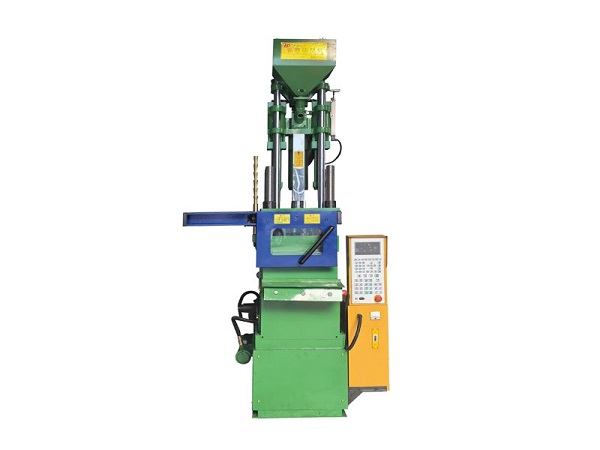
Analysis of Application Scenarios of Injection Molding Machines with Different Tonnages
From micro parts to large industrial components, the demand for clamping force varies greatly. The following explains the suitable fields through typical tonnage models:
Small Machines (<100 tons): The Preferred Choice for Precision and Micro Products
Representative Model:30 Ton Injection Molding Machine
Applicable Products: Buttons, bottle caps, micro-electronic components (weight<50g, projected area <100 cm²).
Case: A 50-ton model can produce a PP plastic bowl with a diameter of 8 cm, with sufficient clamping force and low energy consumption.
Medium-sized Machines (100-500 tons): The Golden Range for Home Appliance and Automotive Parts
Representative Models: 120 Ton Injection Molding Machine, 450 Ton Injection Moulding Machine
Applicable Products: Hair dryer shells, automotive interior parts, toolboxes (weight 50 g- 2 kg, projected area 100-1500 cm²).
Case: A 300-ton model is suitable for the laptop shell made of ABS material, and the clamping force can accurately match the requirements of complex structures.
Large Machines (>500 tons): The Core Productivity for Industrial and Automotive Structural Components
Representative Model: 1000-ton injection molding machine
Applicable Products: Automotive bumpers, logistics pallets, refrigerator doors (weight >2kg, projected area >1500 cm²).
Technical Highlights: Large machines mostly adopt a direct-pressure clamping structure, with uniform distribution of clamping force, which is suitable for the molding of high-precision engineering plastics.

Misunderstandings in Clamping Force Selection and Optimization Suggestions
Common Misunderstandings
Misunderstanding 1: "The larger the tonnage, the better."
An excessively large tonnage (such as using a 1000-ton injection molding machine to produce small parts) will lead to energy consumption waste, and the size of the template does not match the mold, increasing the difficulty of debugging.
Misunderstanding 2: "Ignoring the material properties"
For glass fiber reinforced materials, an additional 10%-20% clamping force is required. Otherwise, defects are likely to occur due to poor fluidity.
Optimization Strategies
Reserve a Safety Margin: Increase the clamping force by 20% based on the calculated value to avoid the full-load operation of the machine.
Dynamic Monitoring Technology: Use in-mold pressure sensors to adjust the clamping force in real-time to adapt to complex working conditions.
Energy-saving Design: Select a medium-sized model equipped with a servo motor (such as a 120-ton injection Molding Machine) to reduce standby energy consumption.
Conclusion
As a core parameter of the injection molding machine, the clamping force is not only a guarantee of quality but also the key to cost control. From a 30-ton micro machine to a 450-ton industrial-grade device, scientific selection logic and process optimization can significantly enhance the competitiveness of enterprises. In the future, with the popularization of intelligent sensing technology and energy-saving design, the control of clamping force will be more accurate and efficient, injecting continuous innovative impetus into the manufacturing industry.