




How Do Injection Molding Machines Work?
 May 21, 2025|
 View:1475
In modern manufacturing, injection molding machines serve as the core equipment for producing plastic products. Whether for daily necessities, electronic components, or industrial parts, their efficient and precise molding processes rely on such equipment. However, for many customers, how do injection molding machines work remains a vague concept. This article will demystify the working principles of injection molding machines in simple terms, with a focus on the unique operation methods of different machine types. This aims to help you quickly identify solutions tailored to your needs.
Basic Working Principles of Injection Molding Machines
The core function of Injection molding machines is to heat and melt plastic pellets, injecting the molten plastic into molds and then cooling them into a specific shape product. The process could be separated into four main stages:
1. Plasticizing Stage
The heating barrel is provided with a hopper through which plastic material pelets are fed and the plastic material pellets are melted by shearing force of a rotating screw and heating from the outside. Material fluidity and product quality are direct related to the temperature and pressure regulation in this process.
2. Injection Stage
The plastic material is then quickly forced into the closed, shaped cavity. Injection speed, pressure, and time have to be precisely matched with mold and part design to prevent insufficient filling or flash.
3. Cooling Stage
The plastic in the mould begins to solidify and mould into the desired form under the action of the cooling system. The cooling time varies based on the material and your part’s thickness—over-cooling reduces efficiency, while insufficient cooling could lead to part deformation.
4. Ejection Stage
The molded article is ejected from the mold by the ejection means, and one production process is finished.
Unique Operation Methods of Different Injection Molding Machine Types
Injection molding machines can be classified into various types based on structure and application scenarios, each with unique designs and advantages built upon the core workflow.
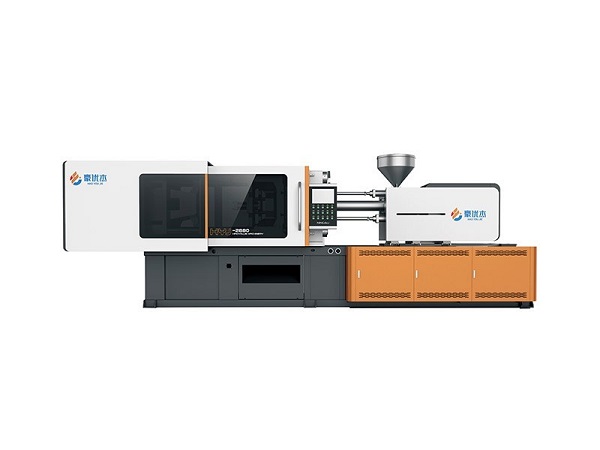
1. Horizontal Injection Molding Machine: The Go-To for High-Efficiency Mass Production
Horizontal Clamping Structure
Horizontal injection molding machines feature a horizontal clamping and injection system, with molds opening/closing parallel to the ground. This design facilitates automated integration, making it ideal for large-scale production.
Stability and Space Efficiency
With a low center of gravity, the machine operates more stably. The horizontally arranged molds also allow easy part removal by robotic arms, saving vertical space in the factory.
Application Scenarios: Mass production of standardized products such as automotive parts and home appliance casings.
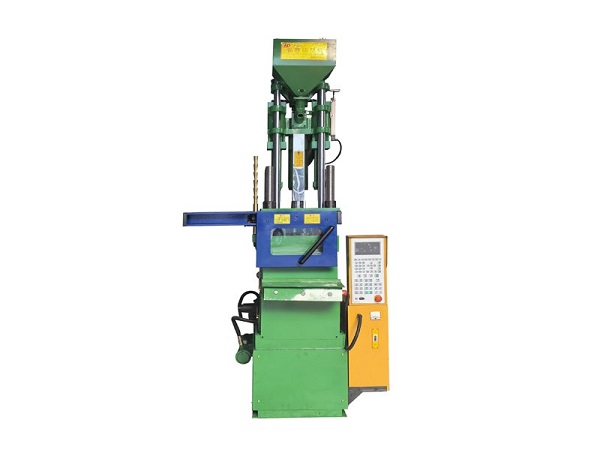
2. Vertical Injection Molding Machine: Expert in Precision Insert Molding
Vertical Clamping Design
Vertical injection molding machines have molds that open/close vertically, with the operation area located at the top of the machine, enabling easy manual insertion of inserts or secondary processing.
Flexibility Advantages
Occupying less floor space, these machines are suitable for producing precision parts with metal inserts (e.g., screws, circuit components), such as electronic connectors or medical device components.
Application Scenarios: Small-batch, multi-variety production of complex products requiring manual intervention.
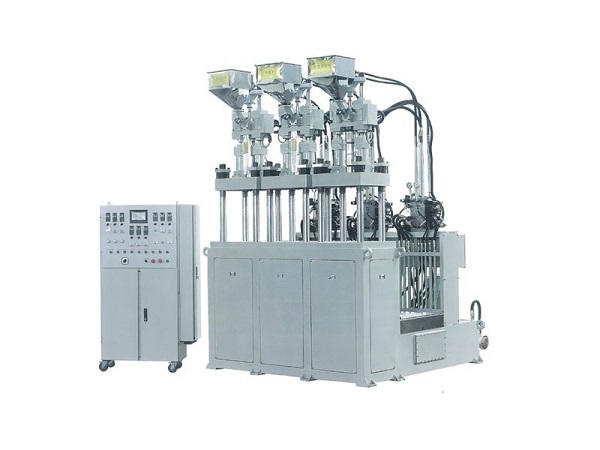
3. Multi-Color Injection Molding Machine: The Art of Complex Colors and Materials
Collaborative Multi-Injection Units
Equipped with two or more injection systems, multi-color injection molding machines can sequentially or simultaneously inject plastics of different colors or materials into the same mold, achieving gradient or layered effects.
Rotary Mold Technology
Some models feature a rotating table design, which switches mold angles to ensure different materials are molded in the correct positions and prevent mixing or contamination.
Application Scenarios: High-aesthetics products such as toys, cosmetic packaging, and two-tone buttons.
4. Shoe Sole Molding Machine: A Dedicated Solution for Footwear Manufacturing
High-Elastic Material Handling
Shoe sole molding machines are optimized for processing sole materials like TPU and EVA, with heating and cooling systems adapted to the flow characteristics of high-viscosity materials.
Rapid Mold Change Design
With diverse shoe sole styles, these machines typically feature modular mold interfaces to reduce changeover time and enhance production line flexibility.
Application Scenarios: Batch production of sports shoes and casual shoe soles.

5. Rotary Injection Molding Machine: An Innovative Solution for Multi-Station High-Efficiency Production
Multi-Position Rotary Turntable Device
The core of a rotary injection molding machine lies in its rotatable mold platform, typically equipped with 2-4 independent stations. One mold is being used for the injection or cooling process, while other stations are performing part removal, mold cleaning, or insert placement that will shorten the cycle time of production.
Continuous circulation efficiency
Due to accurate indexing and positioning of rotary table, the machine is suitable for ''injection-cooling-demolding integration'',which is especially applied in making small precision parts. The efficiency is promoted by over 30% when comparing with traditional ones.
Application: Large-scale production scenarios with high output and multi-process combination.

Key Considerations for Selecting Injection Molding Machines
After understanding how injection molding machines work, businesses must match machine types to their actual needs:
Product Size and Complexity: Large products require high clamping force; precision parts prioritize control accuracy.
Material Properties: High-temperature materials need heat-resistant screws and barrels; elastomers require special nozzle designs.
Production Efficiency: Mass production focuses on cycle time; small batches prioritize operational convenience.
HONLED: Your Professional Injection Molding Solution Provider
As a technology-driven enterprise with deep expertise in the injection molding field, HONLED continues to create value for customers through self-developed injection molding machines:
Technical Advantages: Closed-loop control systems enable precise adjustment of pressure, temperature, and speed, with industry-leading product yield rates.
Full Machine Type Coverage: From horizontal to vertical injection molding machines, and from multi-color to shoe sole molding machines, we meet diverse needs.
Comprehensive Services: Full-lifecycle support, including equipment selection, process debugging, and after-sales maintenance.
Whether you are purchasing equipment for the first time or upgrading your production line, HONLED's reliable products and professional technical team will help you achieve production goals efficiently. Contact us today to get a customized solution!