



Vertical vs Horizontal Injection Molding for Plastic Components
 Dec 01, 2025|
 View:1030
When it comes to manufacturing plastic components, injection molding stands as one of the most widely used and efficient processes. It allows for the mass production of high-quality parts with consistent dimensions and excellent surface finishes. However, within the realm of injection molding, there are two primary configurations: vertical injection molding machines and horizontal injection molding machines. Each has its own set of advantages, disadvantages, and ideal applications, making the choice between them a critical decision for manufacturers.
In this article, we will delve deep into the differences between vertical and horizontal injection molding machines, exploring their operational mechanisms, benefits, limitations, and the scenarios in which each excels. By the end, you'll have a clear understanding of which type of machine is best suited for your specific plastic component manufacturing needs.
Understanding Injection Molding Basics
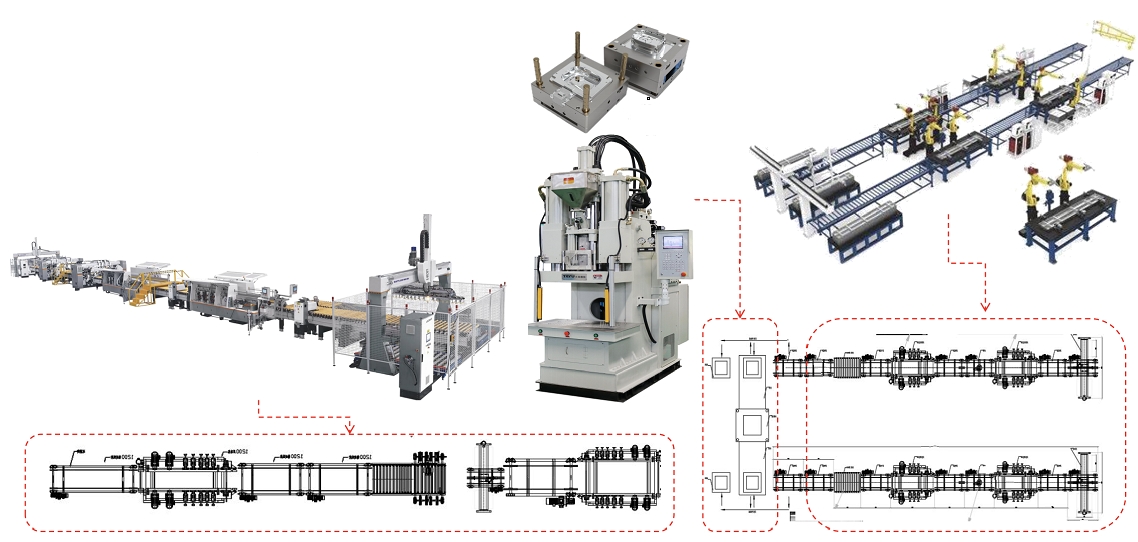
Before we compare vertical and horizontal injection molding machines, it's essential to grasp the fundamentals of the injection molding process itself. Injection molding involves injecting molten plastic material into a mold cavity, where it cools and solidifies to form the desired part. The process typically consists of the following steps:
Material Preparation: Plastic pellets or granules are fed into a hopper and then melted in a heated barrel.
Injection: The molten plastic is injected under high pressure into a closed mold cavity.
Cooling: The plastic cools and solidifies within the mold, taking on its final shape.
Ejection: The mold opens, and the finished part is ejected, ready for further processing or assembly.
Both vertical and horizontal injection molding machines follow this basic process, but their physical configurations and operational characteristics differ significantly.
Vertical Injection Molding Machine: An Overview
What is a Vertical Injection Molding Machine?
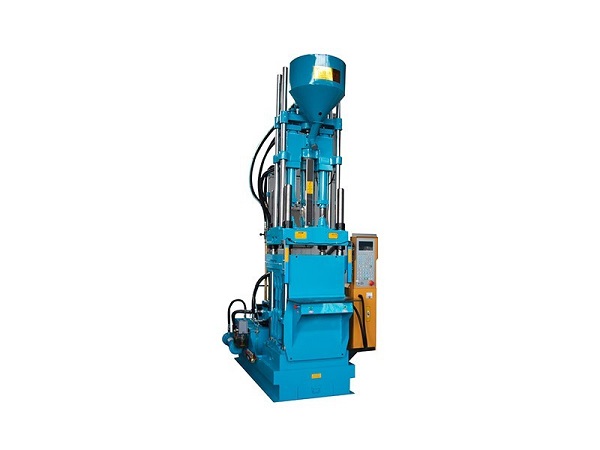
A vertical injection molding machine is characterized by its vertical orientation, where the clamping unit (which holds the mold) is positioned vertically, and the injection unit (which melts and injects the plastic) is either above or below the clamping unit. This vertical arrangement offers several unique advantages that make it suitable for specific applications.
Key Features of Vertical Injection Molding Machines
Space Efficiency: Vertical machines have a smaller footprint compared to horizontal machines, making them ideal for facilities with limited floor space. They can be installed against a wall or in tight corners, optimizing space utilization.
Gravity Assistance: The vertical orientation allows gravity to assist in the ejection of parts from the mold. This can be particularly beneficial when working with delicate or complex parts that might be damaged during ejection in a horizontal machine.
Multi-Material and Insert Molding Capability: Vertical machines are well-suited for insert molding, where pre-formed metal or plastic inserts are placed into the mold before injection. The vertical arrangement makes it easier to position and secure these inserts accurately. Additionally, they can facilitate multi-material molding, where different materials are injected sequentially to create parts with varying properties.
Ease of Operation for Small Parts: The vertical design simplifies the loading and unloading of small parts, reducing operator fatigue and improving productivity. Operators can easily access the mold area from all sides, making it easier to inspect and maintain the machine.
Reduced Mold Wear: The vertical clamping force is applied more evenly across the mold, reducing wear and tear on the mold components. This can extend the lifespan of the mold and reduce maintenance costs over time.
Applications of Vertical Injection Molding Machines
Vertical injection molding machines are commonly used in the following industries and applications:
Electronics: Producing small, precise components such as connectors, switches, and housings for electronic devices.
Automotive: Manufacturing small parts like buttons, knobs, and clips for vehicle interiors.
Medical Devices: Creating sterile, high-precision components such as syringe parts, surgical instrument handles, and diagnostic equipment components.
Consumer Goods: Producing small plastic parts for toys, household appliances, and personal care products.
Insert Molding: Combining metal or plastic inserts with plastic components to create stronger, more functional parts.
Horizontal Injection Molding Machine: An Overview
What is a Horizontal Injection Molding Machine?
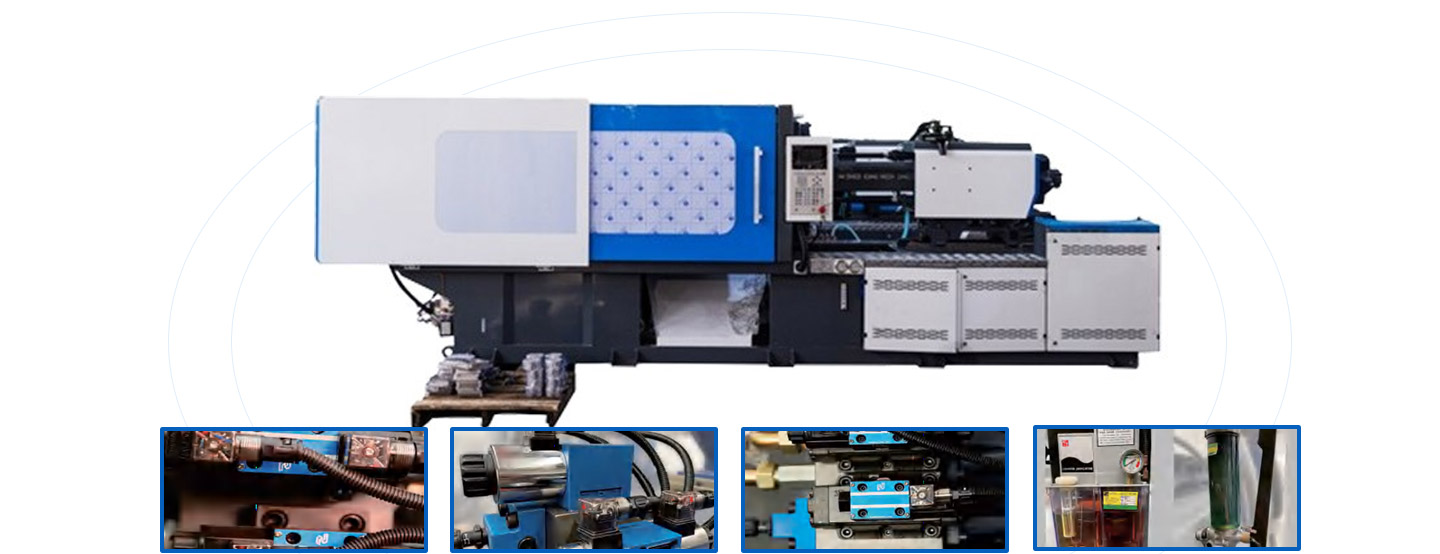
A horizontal injection molding machine, as the name suggests, has a horizontal orientation, with the clamping unit and injection unit aligned horizontally. This is the most common type of injection molding machine and is widely used across various industries due to its versatility and efficiency.
Key Features of Horizontal Injection Molding Machines
High Production Volume: Horizontal machines are designed for high-volume production, with larger clamping forces and injection capacities that allow for the rapid production of large parts or multiple cavities simultaneously.
Ease of Mold Changes: The horizontal arrangement makes it easier to change molds, as the mold can be slid in and out of the machine on a horizontal plane. This reduces downtime and improves overall production efficiency.
Versatility: Horizontal machines can accommodate a wide range of mold sizes and types, making them suitable for producing parts of various shapes, sizes, and complexities.
Automation Integration: Horizontal machines are more easily integrated with automation systems such as robots for part removal, quality inspection, and packaging. This can further enhance production efficiency and reduce labor costs.
Cost-Effectiveness for Large Parts: For large plastic parts, horizontal machines are often more cost-effective due to their ability to handle larger molds and higher clamping forces without requiring significant additional investment.
Applications of Horizontal Injection Molding Machines
Horizontal injection molding machines are widely used in the following industries and applications:
Automotive: Producing large parts such as bumpers, dashboards, and door panels for vehicles.
Packaging: Manufacturing containers, bottles, and caps for food and beverage packaging.
Consumer Goods: Creating large plastic parts for appliances, furniture, and sporting goods.
Industrial Components: Producing housings, enclosures, and other structural components for industrial equipment.
High-Volume Production: Any application requiring the rapid production of large quantities of plastic parts, where efficiency and cost-effectiveness are paramount.
Vertical vs Horizontal Injection Molding: A Detailed Comparison
Now that we've explored the basics of both vertical and horizontal injection molding machines, let's compare them in detail across several key factors:
1. Space Requirements
Vertical Machines: As mentioned earlier, vertical machines have a smaller footprint, making them ideal for facilities with limited space. They can be installed in tight corners or against walls, optimizing space utilization.
Horizontal Machines: Horizontal machines require more floor space due to their larger size and the need for clearance around the machine for mold changes and operator access. However, they can be arranged in a more linear fashion for high-volume production lines.
2. Part Size and Complexity
Vertical Machines: Vertical machines are better suited for small, precise parts with complex geometries. The vertical orientation allows for better control over the injection process, reducing the risk of defects in small parts. Additionally, the gravity-assisted ejection can be beneficial for delicate parts.
Horizontal Machines: Horizontal machines excel at producing large parts or multiple cavities simultaneously. Their larger clamping forces and injection capacities make them ideal for high-volume production of parts that don't require the same level of precision as those produced on vertical machines.
3. Mold Handling and Changes
Vertical Machines: Mold changes on vertical machines can be more time-consuming and labor-intensive, as the mold must be lifted vertically into place. However, some vertical machines are designed with features to facilitate easier mold changes, such as sliding mold plates or hydraulic lift systems.
Horizontal Machines: Horizontal machines offer easier mold changes, as the mold can be slid in and out horizontally on a track or platform. This reduces downtime and improves overall production efficiency, especially in high-volume production settings.
4. Automation and Integration
Vertical Machines: While vertical machines can be automated, their vertical orientation can make it more challenging to integrate with certain types of automation systems, such as robots for part removal. However, advancements in automation technology are making it increasingly feasible to automate vertical machines.
Horizontal Machines: Horizontal machines are more easily integrated with automation systems, as robots can operate on the same horizontal plane as the machine. This allows for seamless integration of part removal, quality inspection, and packaging processes, further enhancing production efficiency.
5. Cost Considerations
Vertical Machines: Vertical machines are generally more cost-effective for small-scale production or applications requiring high precision and small parts. Their smaller size and lower clamping forces result in lower initial investment costs and reduced operating costs for small production runs.
Horizontal Machines: Horizontal machines are more cost-effective for large-scale production, where their higher clamping forces and injection capacities can be fully utilized. While the initial investment cost may be higher, the cost per part decreases significantly with high-volume production, making them a more economical choice in the long run.
6. Maintenance and Upkeep
Vertical Machines: Vertical machines may require less maintenance due to their smaller size and simpler mechanical components. However, the vertical orientation can make certain maintenance tasks, such as cleaning the injection unit or replacing wear parts, more challenging.
Horizontal Machines: Horizontal machines may require more frequent maintenance due to their larger size and more complex mechanical components. However, their horizontal orientation makes many maintenance tasks more accessible, reducing downtime and improving overall machine reliability.
Choosing the Right Injection Molding Machine for Your Needs
Selecting the right injection molding machine—whether vertical or horizontal—depends on several factors, including your production volume, part size and complexity, space constraints, budget, and automation requirements. Here are some key considerations to help you make an informed decision:
Production Volume: If you're producing large quantities of parts, a horizontal machine may be more cost-effective due to its higher clamping forces and injection capacities. For small-scale production or prototyping, a vertical machine may be sufficient.
Part Size and Complexity: Consider the size and complexity of the parts you need to produce. Vertical machines are better suited for small, precise parts, while horizontal machines excel at large parts or multiple cavities.
Space Constraints: Evaluate your available floor space. If space is limited, a vertical machine may be the better choice due to its smaller footprint.
Budget: Consider your initial investment budget and long-term operating costs. Vertical machines are generally more cost-effective for small-scale production, while horizontal machines offer better economies of scale for high-volume production.
Automation Requirements: If you plan to integrate automation systems into your production line, a horizontal machine may be more suitable due to its easier integration with robots and other automation equipment.
Conclusion
In the world of plastic component manufacturing, both vertical and horizontal injection molding machines play crucial roles, each with its own set of advantages and limitations. Vertical injection molding machines are ideal for small, precise parts, offering space efficiency and ease of operation for delicate components. Horizontal injection molding machines, on the other hand, excel at high-volume production of large parts, providing versatility, ease of mold changes, and cost-effectiveness for large-scale manufacturing.
Ultimately, the choice between a vertical and horizontal injection molding machine depends on your specific production needs, budget, and space constraints. By carefully evaluating these factors and considering the detailed comparison provided in this article, you can make an informed decision that will optimize your production efficiency, part quality, and overall profitability. Whether you choose a vertical or horizontal machine, investing in the right injection molding technology is a critical step toward achieving success in the competitive world of plastic component manufacturing.


Recommended Products
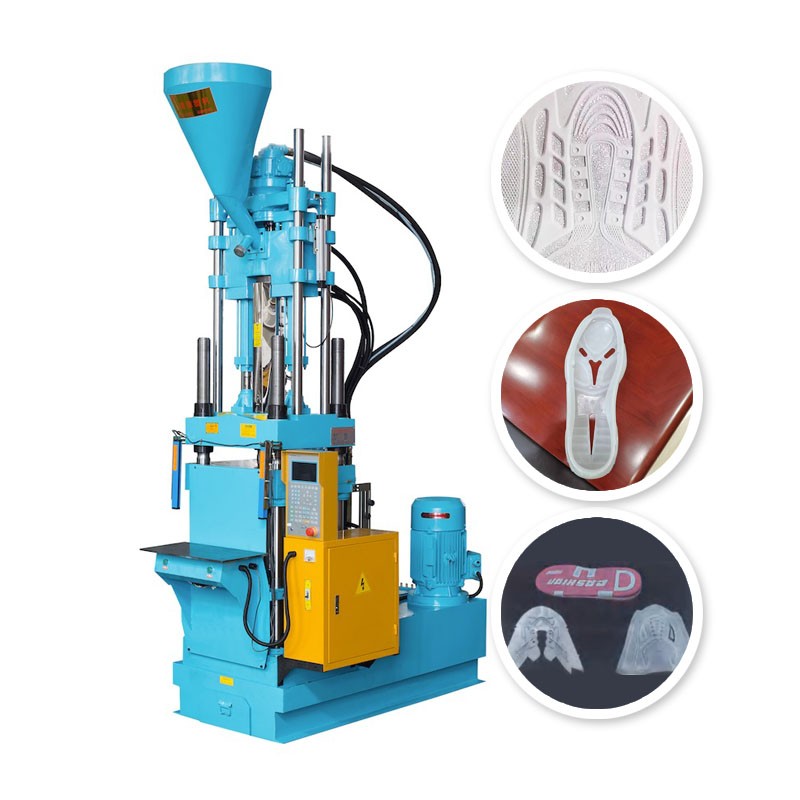
Basic-type Shoe Sole Injection Machine
PU Sole Injection Molding Machine 丨Vertical Type Shoes Making Machine
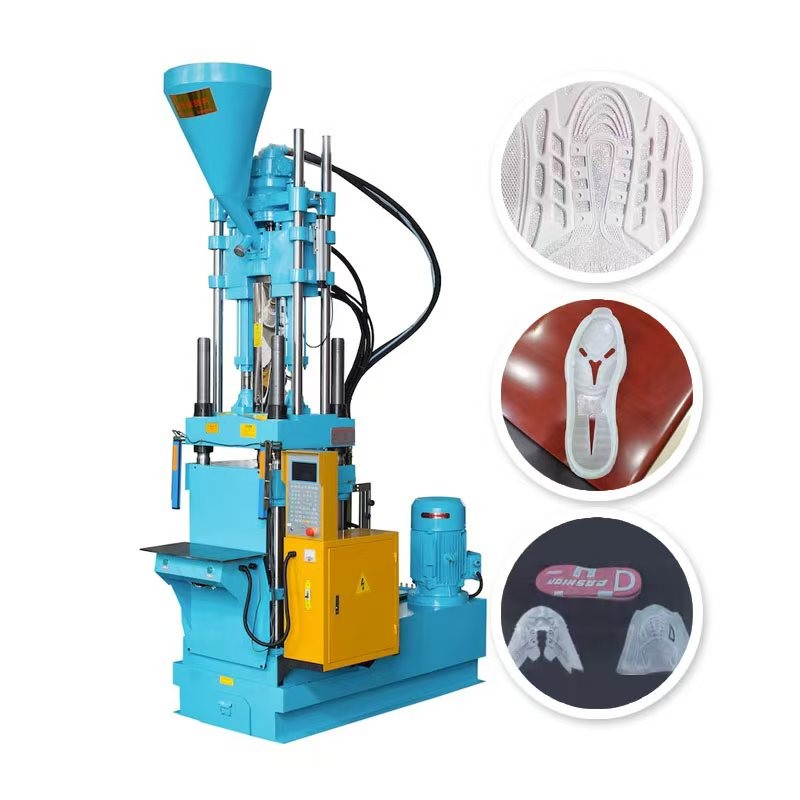
Double Color PVC Sole Injection Machine
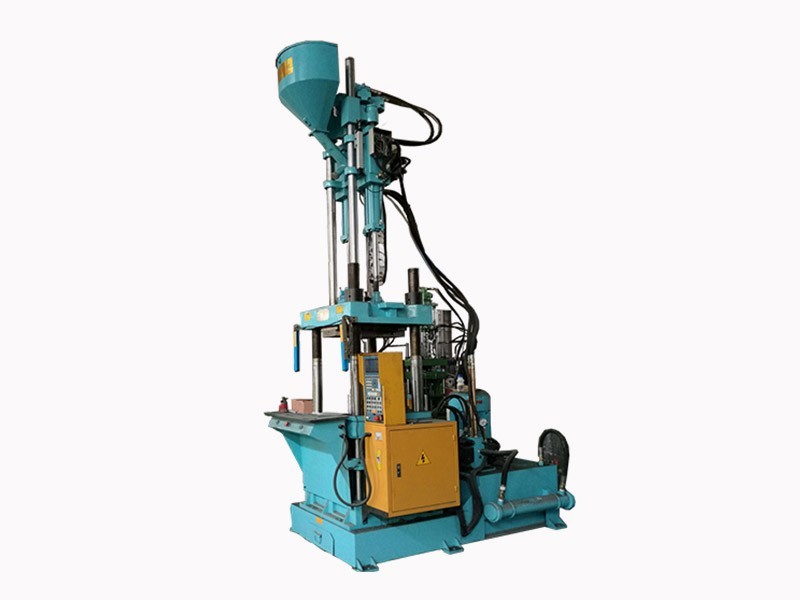
Professional PVC/TPR Slipper Sole Making & Moulding Machine

PVC/TPR Sole Moulding Machine丨 Professional Shoe Injection System
pvc shoe injection moulding machine
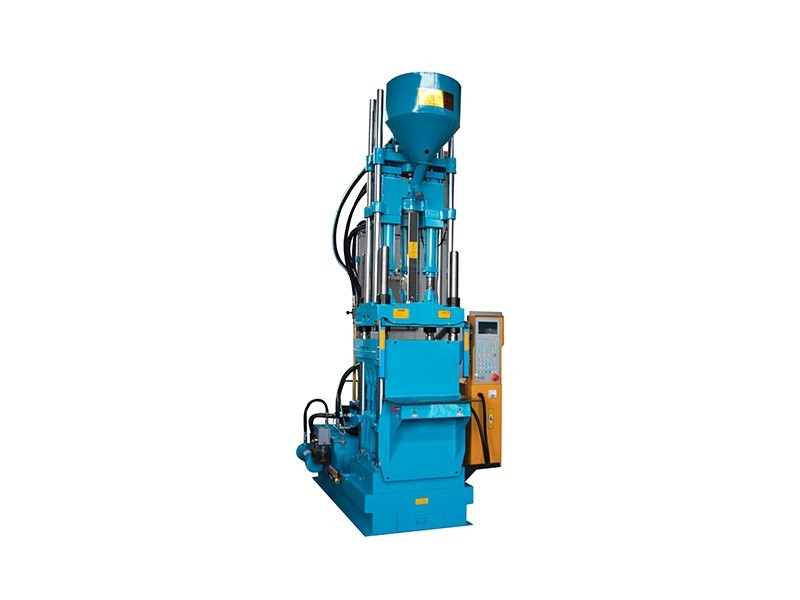
PVC shoe upper Injection Molding Machine丨shoe injection machine

Recent News
1.What is the machine used in shoe sole making?
2024-06-202.Factors to Consider When Selecting a Plastic Mold Injection Machine
2024-07-043.Understanding PVC Sole Making Machines: A Comprehensive Overview
2024-10-174.Key Features of Vertical Injection Machines for Soccer Outsole
2024-12-315.How Does a PU Sole Making Machine Work?
2025-02-056.How Shoe Sole Injection Molding Machines Revolutionize the Footwear Industry
2025-01-247.How to Choose the Right Shoe Upper Machine for Your Production Needs
2025-01-07