




What is a vertical injection molding machine?
 Mar 19, 2025|
 View:1775
In the field of plastic molding, the injection molding machine, as the core equipment, the innovation of its structural design has always been the key to improving production efficiency and optimizing product precision. With the growth of the demand for industrial automation and precision manufacturing, the Vertical Injection Molding Machine, with its unique vertical clamping structure and space efficiency advantages, has gradually become the preferred equipment for insert molding and precision parts production. This article will comprehensively analyze What is a Vertical Injection Molding Machine? from the working principle, technical characteristics to practical application scenarios, and deeply explore how it meets the high-efficiency needs of modern manufacturing.
Definition and Core Structure of the Vertical Injection Molding Machine
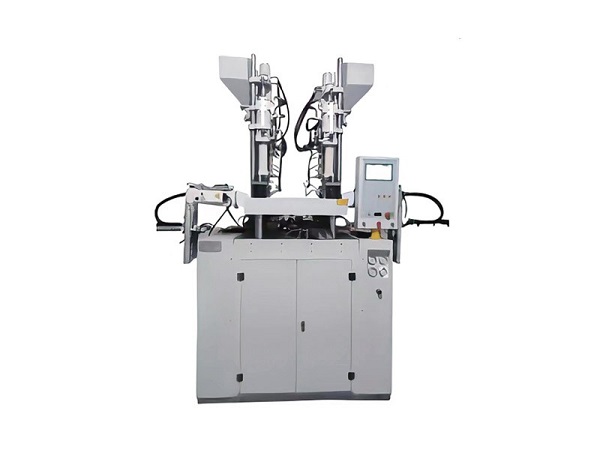
The Vertical Injection Molding Machine is an injection molding equipment that uses vertical clamping. Its core design is different from the horizontal movement mode of traditional horizontal injection molding machines. The typical structure includes:
Vertical Clamping Unit: The mold opens and closes in the vertical direction, reducing the floor space of the equipment and facilitating the precise placement of inserts (such as metal parts and electronic components).
Rotary Disk or Fixed Station Design: Some models are equipped with a horizontal rotary disk, which can complete multi-station synchronous operations (such as insert insertion and finished product removal) on the same plane, greatly improving the production cycle.
Tie-bar-less Structure: The mold is directly clamped by symmetric hydraulic cylinders, eliminating the limitation of traditional tie bars on the mold space, and is suitable for the flexible configuration of large or multi-cavity molds.
Full Automation Adaptability: The Fully Automatic Vertical Injection Moulding Machine is usually integrated with a robotic arm and a visual inspection system to achieve unmanned operation of the entire process from raw material feeding to finished product sorting.
Core Technical Advantages: Why is the Vertical Structure More Efficient?
Compared with horizontal injection molding machines, vertical injection molding machines perform particularly well in the following scenarios:
Insert Molding:
The vertical clamping direction allows gravity to assist in insert positioning, avoiding the risk of insert displacement or falling off in horizontal equipment, especially suitable for precision components such as cable connectors and electronic connectors.
The rotary disk design enables the insert insertion and finished product removal to be carried out simultaneously, increasing the production efficiency by more than 30%.
Space Utilization:
The equipment is highly integrated, and the floor space is only 60%-70% of that of horizontal machines, making it suitable for factories with limited workshop space.
Operation Safety and Ergonomics:
The height of the workbench is usually designed to be around 1 meter, reducing the frequency of operators bending over and reducing the labor intensity.
Protective gratings and interlocking devices ensure the safety of the insert installation area and prevent accidents caused by misoperation.
Typical Application Scenarios: The Diversified Coverage of Vertical Injection Molding Machines
The technical characteristics of vertical injection molding machines make them an irreplaceable solution in multiple fields:
Electronics and Electrical Industry:
Producing USB interfaces with metal contacts and micro-sensor housings to ensure the high-precision combination of inserts and plastic bodies.
Automotive Parts:
Used for manufacturing components such as wire harness sheaths and fuse boxes that require the insertion of metal terminals, which can withstand high-temperature and vibration environments.
Medical Equipment:
Sterile products such as disposable syringe needle hubs and breathing mask valves avoid contamination through fully enclosed automated production.
Daily Necessities and Sports Equipment:
Complex structural parts such as swimming goggle frames and diving equipment buckles use the high stability of vertical machines to achieve thin-walled molding.
The Technological Evolution of the Fully Automatic Vertical Injection Molding Machine
The Fully Automatic Vertical Injection Moulding Machine represents the intelligent direction of vertical injection molding technology:
Servo Drive System:
Using "Drive-on-Demand" servo motors, the energy consumption is reduced by 40%-50% compared with traditional hydraulic systems, and at the same time, the motion control precision is improved.
Modular Design:
It can quickly replace injection units and mold adapters of different specifications to meet the production needs of small batches and multiple varieties.
Real-time Monitoring and Predictive Maintenance:
Built-in sensors monitor parameters such as clamping force and injection pressure, and use AI algorithms to predict mold wear and give early warnings.
How to Choose a Suitable Vertical Injection Molding Machine?
The following factors need to be comprehensively considered when purchasing:
Clamping Force and Injection Volume:
Select the clamping force (usually 40-80 tons) according to the projected area of the product and the fluidity of the material, and ensure that the injection volume covers 30%-80% of the part weight.
Automation Requirements:
For high-precision insert molding, it is recommended to be equipped with a six-axis robotic arm and a visual positioning system, while semi-automatic models can be selected for simple parts to reduce costs.
Energy Consumption and Maintenance Costs:
Give priority to servo motor-driven and hot runner mold configurations to save energy and raw material losses in the long term.
Future Trends: The Innovation Direction of Vertical Injection Molding Technology
Intelligent Production Unit:
Integrate 3D printing rapid mold change technology to achieve synchronous iterative development of molds and products.
Green Manufacturing:
Develop special screws for bio-based plastics and low-temperature molding processes to reduce the carbon footprint.
Ultra-precision Miniaturization:
The application of nanoscale injection control technology in microelectronics packaging and medical catheter molding, with a precision of up to ±0.001 mm.
Conclusion: The Vertical Injection Molding Machine - An Efficient Engine for Precision Manufacturing
From the precision of insert positioning to the efficiency of space utilization, the Vertical Injection Molding Machine continuously pushes the boundaries of plastic molding processes through vertical structural innovation. Whether it is a standard model or a Fully Automatic Vertical Injection Moulding Machine, its core value lies in providing customers with stable, flexible, and sustainable production solutions. As a professional provider of vertical injection molding technology, we are committed to helping global manufacturing enterprises achieve cost reduction, efficiency improvement, and quality upgrading through continuous research and development and process optimization.