




What is the direct injection process in footwear?
 Jan 17, 2025|
 View:1086
In the continuous development process of the footwear industry, technological innovation has always driven the progress of the industry. From traditional manual shoemaking to today's highly automated production mode, every step witnesses the huge changes in the industry. Among them, the emergence of the footwear injection moulding machine has brought a qualitative leap to the shoemaking process. With the increasingly diverse and high-quality demand for footwear products in the market, the footwear injection moulding machine is also constantly being upgraded and optimized to meet different production scenarios and product requirements. Against this background, it is particularly important to understand the direct injection process in footwear. So, what exactly is the direct injection process in footwear?
Basic Principles of the Direct Injection Process
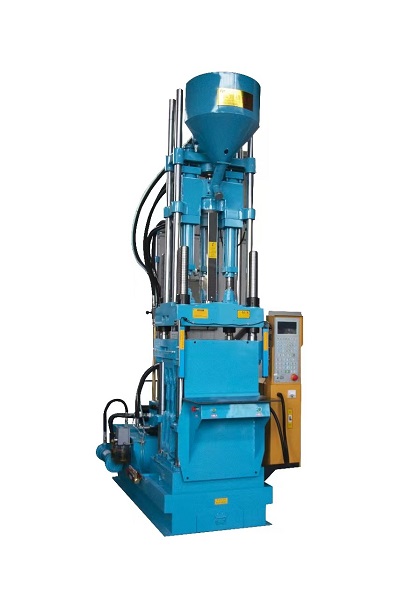
Simply put, the direct injection process in footwear is the process of directly injecting plastic raw materials in a hot-melt state into specific molds through a footwear injection moulding machine to shape footwear components. This process depends on the precise control of temperature, pressure, and injection speed by the footwear injection moulding machine. For example, when making soles, the sole injection machine quickly injects melted sole materials such as polyurethane and rubber into the sole mold according to the preset quantity and pressure. The materials quickly cool and solidify in the mold to form the shape of the sole. Compared with traditional gluing or stitching processes, this process can achieve higher production efficiency and product consistency.
Advantages of the Direct Injection Process
1. Excellent Product Quality: Direct injection using a footwear injection moulding machine can ensure a tight bond between the sole and the upper. Taking the sole injection machine as an example, through precise injection processes, the connection between the sole and the upper is more secure, greatly improving the overall durability of the shoes. At the same time, the details of the product can be precisely controlled during the injection process, making the appearance of the shoes more delicate, meeting the modern consumers' demand for high-quality products.
2. High Production Efficiency: The footwear injection moulding machine has an automated operation process and can quickly complete the injection process. Compared with traditional processes, the direct injection process reduces many cumbersome intermediate steps, such as the manual bonding of the sole and the upper. The sole injection machine can continuously produce a large number of soles in a short time, greatly improving production efficiency and meeting the large-scale demand for footwear products in the market.
3. Diverse Product Designs: The direct injection process provides more creative space for footwear designers. Using a footwear injection moulding machine, various complex sole designs can be easily achieved, such as unique patterns and air-cushion structures. The sole injection machine can produce soles of various shapes and functions according to different molds, meeting consumers' pursuit of personalized footwear products.
Process of the Direct Injection Process
1. Mold Preparation: Corresponding molds are made according to the design requirements of footwear products. The quality of the mold directly affects the quality of the injection-molded product, so precise design and manufacturing are required. Whether it is a mold for the upper or the sole, the dimensional accuracy and surface smoothness must be ensured.
2. Raw Material Preparation: Select appropriate plastic raw materials, such as polyurethane and rubber commonly used in sole production. The raw materials are dried to remove moisture to ensure the smooth progress of the injection process. Different raw materials require different processing temperatures and pressures, so adjustments should be made according to the characteristics of the raw materials.
3. Injection Process: Put the prepared raw materials into the barrel of the footwear injection moulding machine and heat them to a molten state. The molten raw materials are injected into the mold cavity through the screw of the injection machine. During the injection process, the injection pressure, speed, and time should be precisely controlled to ensure the quality of the product.
4. Cooling and Demoulding: After injection, the product in the mold needs to be cooled and solidified. When the product reaches a certain hardness, the product is removed from the mold through the demoulding mechanism of the mold, completing the entire direct injection process.
Application Scenarios of the Direct Injection Process
The direct injection process in footwear is widely used in the production of various footwear products. In the manufacture of sports shoes, soles made by the sole injection machine can provide better shock-absorption and anti-slip performance. Casual shoes and leather shoes are also increasingly adopting the direct injection process to improve product quality and production efficiency. Whether it is daily-worn shoes or professional sports equipment, the direct injection process plays an important role.
In conclusion, the direct injection process in footwear is an efficient and high-quality footwear production process. With the help of advanced equipment such as the footwear injection moulding machine and the sole injection machine, large-scale and high-quality production of footwear products is achieved. It not only improves product quality and production efficiency but also brings more possibilities to footwear design. If you need a high-quality sole injection machine, HONLED is your most reliable choice. We will provide you with advanced equipment and high-quality services to help your footwear production business reach new heights.