



What plastic is used to make shoes?
 Feb 17, 2025|
 View:2194
As the demand for footwear products is increasing, the production technology of shoes is also constantly innovating. Modern footwear not only focuses on comfort and aesthetics but also needs to consider production efficiency, cost control, and environmental impact. As an important raw material, plastic has occupied a significant position in footwear production. So, which plastics are widely used in shoe manufacturing? In this article, we will delve into the types of plastics used in shoe manufacturing and introduce relevant plastic shoe-making equipment, such as plastic shoe making machine, PVC sole making machine, PU shoe sole making machine, etc., to help you better understand the application of plastics in shoe manufacturing.
PVC Plastic: A Common Material For Sole Making
PVC (Polyvinyl Chloride) is a very popular plastic material widely used in the footwear sector, mostly in soles manufacturing. Hard, medium and soft density are the difference between PVC material, so the sole made of PVC material has excellent plasticity and wear resistance and is an ideal sole manufacturing material. Generally, sole production is done using a PVC sole making machine for production and processing efficiency.
The PVC sole has many advantages. For one, its density is low so the weight of the shoes overall is light. Secondly, the PVC material itself can have good anti-slip performance, suitable for use in various weather and environmental conditions. Moreover, the low cost of the PVC material itself also allows for easy control of costs, which is a very important aspect for enterprises that mass-produce footwear products.
PVC has its limitations, unfortunately. Although wear-resistant, the exposure of the PVC material to sunlight and a high-temperature environment for a long time will cause it to age, which will depreciate the flexibility and durability of the sole. When making PVC soles, it requires design optimization and suitable plastic formula, so as to enhance performance.
PU Plastic: The Most Popular Material For Premium Soles
PU (Polyurethane) — a plastic with amazing properties widely used to manufacture upper-class soles. PU material has a better elasticity and a higher comfort compared with PVC. Often used for high-end products, such as casual shoes and sports shoes. As you can see, the PU is a common material used to make shoes, and the PU shoe sole making machine is a professional machine to create them, which can produce the PU into the shape and size of a sole.
PU soles have excellent flexibility and comfort, so they are used in long-wear shoes such as running shoes and hiking shoes. Moreover, the PU material has a strong oil resistance and wear-resistance effect, which can effectively prolong the effective use time of the sole. The PU material also costs more than PVC with property performance advantages, and is often favored as the first choice of sole material for high-end brands.
But the production process of PU soles is relatively complicated, so a precision PU shoe sole making machine is necessary to ensure the production quality. Thus, PU soles typically appear in the high-end market as the production cost is relatively high.
TPR and EVA Materials: More Popular Sole Plastics
Apart from PVC and PU, TPR (Thermoplastic Rubber) and EVA (Ethylene-Vinyl Acetate Copolymer) are also popular give the soles. TPR material has good high elasticity and tensile strength, and is often used in some footwear where wear-resistant and anti-slip requirements are high, such as work shoes and outdoor shoes. The EVA is a globally applied raw material in the sports shoe building process because of its low specific gravity and good damping effect.
TPR and EVA materials almost need different kinds of plastic shoe making machines for processing respectively. They can mould the raw materials using high temperature and high pressure, so that the soles meet the design requirements.
Plastic shoe making machine and its application
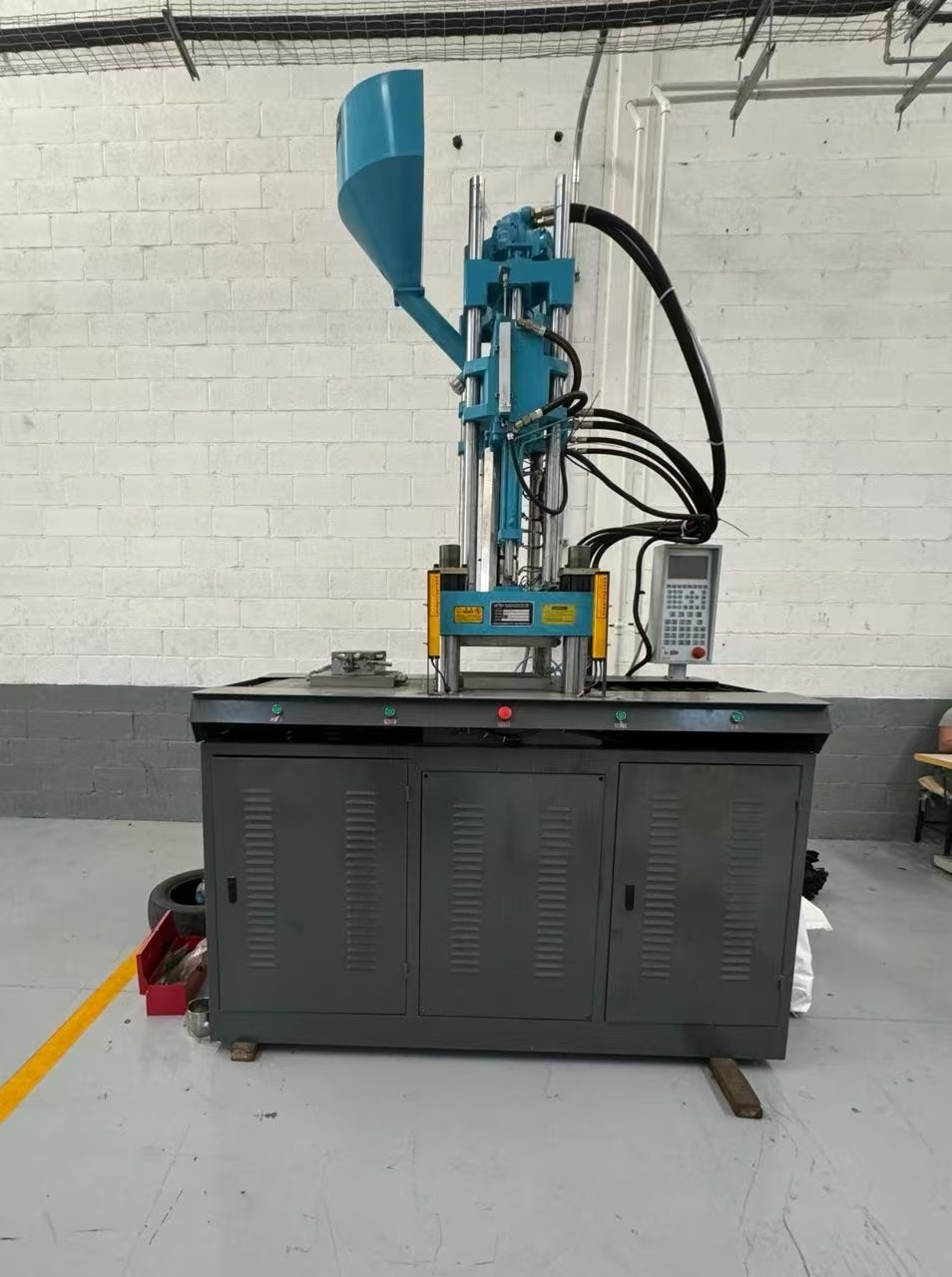
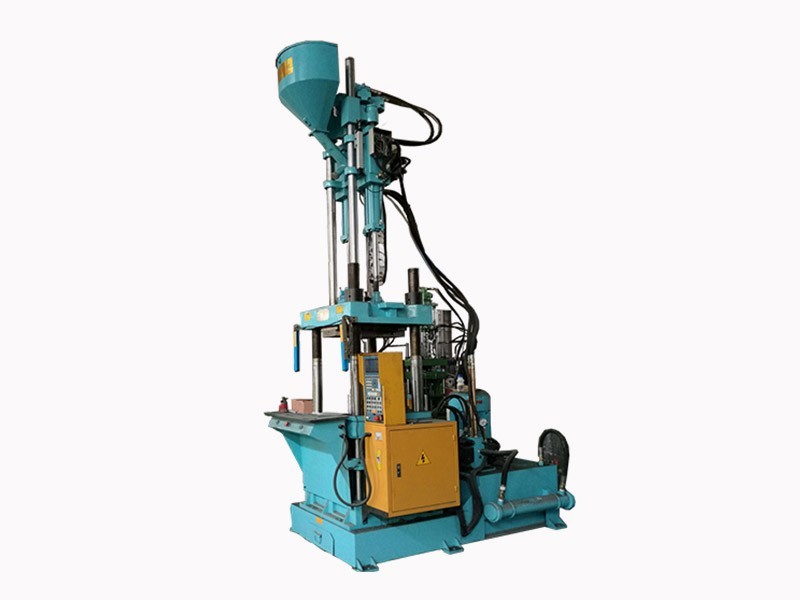
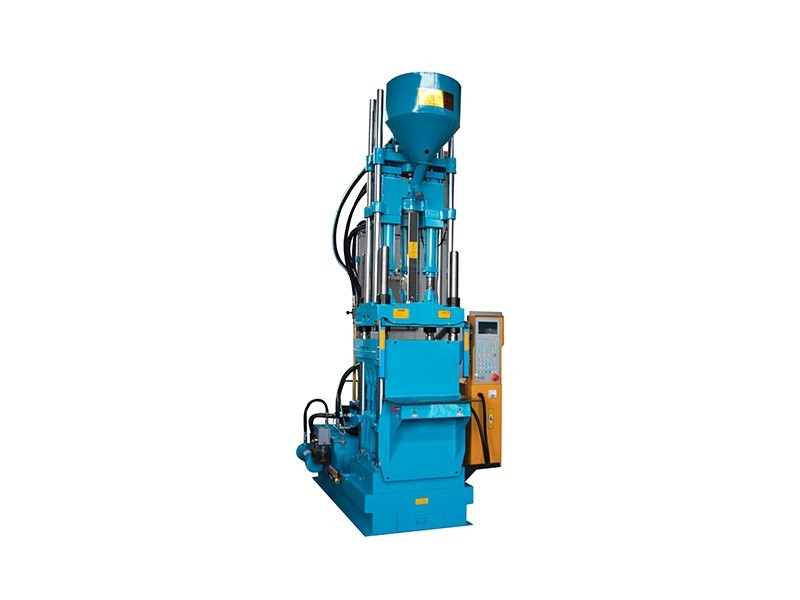
Different advanced plastic shoe-making machines are used in the manufacturing process of modern footwear. Plastic shoe making machines are mainly used for making different types of main footwear which requires polymer as raw material. Not only can these devices enhance production efficiency, but they also guarantee the quality of the products. In order to achieve the best production effect, according to different material and process requirements, manufacturers can choose different types of machines to adapt, such as PVC sole making machine, PU shoe sole making machine, etc.
To illustrate, the PVC sole making machine is specially applied for the production of PVC soles. By precise temperature control and pressure control, it can complete the guarantee that the quality of each pair of soles meets the standard. While the PU shoe sole making machine pays more attention to the special treatment of PU material, so that the elasticity and comfort of the sole reach the best state.
Environmentally-Friendly Plastic Materials: Future Trends
As the awareness of environmental protection continues to rise, a lot of footwear manufacturers have started focusing on the sustainability development with the application of environmentally friendly materials. The development direction of the future is relatively more recyclable, biodegradable plastic. To minimize the environmental problems caused by plastics, researchers are developing new plastic materials to replace traditional PVC and PU materials. In the future, for instance, we can expect to see a rise in footwear based on plant-based bioplastics produced with environmentally advantageous farming techniques.
Plastic shoe-making machines have also been gradually upgraded in recent years, from single-function machines to multiple function machines that are more sensible and more environmentally friendly. A considerable level of concern with respect to reducing environmental impact will infuse the field of footwear manufacturing, leading to the use of sustainable materials and more efficient production technologies.
Summary
In conclusion, PVC, PU, TPR, and EVA are the commonly used plastic materials in current footwear production. Each material has its unique advantages and application scenarios and plays an important role in sole production. To achieve efficient production, the application of equipment such as plastic shoe making machine, PVC sole making machine, and PU shoe sole making machine is crucial. They not only improve production efficiency but also ensure the quality of shoes. Driven by environmental protection and technological development, future footwear manufacturing will pay more attention to the sustainability of materials and the environmental friendliness of the production process.