



what is vertical injection moulding machine
 May 20, 2026|
 View:329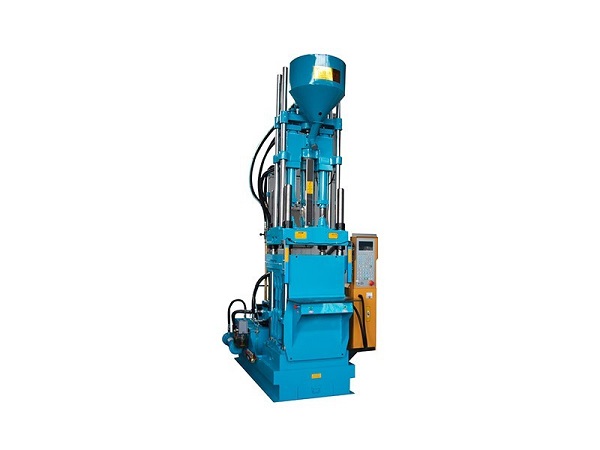
You see a vertical injection machine as a strong tool in factories. This machine uses a vertical injection molding process. Plastic moves down into a mold. The machine is small and saves space. It helps make things very exact. Manufacturers like its great accuracy and design choices. You get high speed, good cost control, and many material options. The world market has grown each year, as shown below:
Year | Market Value (US$ Million) | CAGR (%) |
|---|---|---|
2022 | 806.8 | N/A |
2031 | 1,200 | 4.3 |
Key Takeaways
Vertical injection molding machines help save space in factories. Their design lets people use small areas well. This makes them great for places with little room.
These machines give high accuracy and are very stable. They can make parts with very small errors. This helps parts fit together just right for many uses.
Being able to use many materials is a big plus. You can use both thermoset and thermoplastic materials. This lets you make many different products.
Automation features make work faster and easier. Robotic arms and smart controls help speed up production. They also lower labor costs and make work safer.
Vertical machines are very good at insert molding. Their design keeps inserts in place. This means faster work and fewer mistakes.
How Vertical Injection Moulding Machines Work
Operation Process
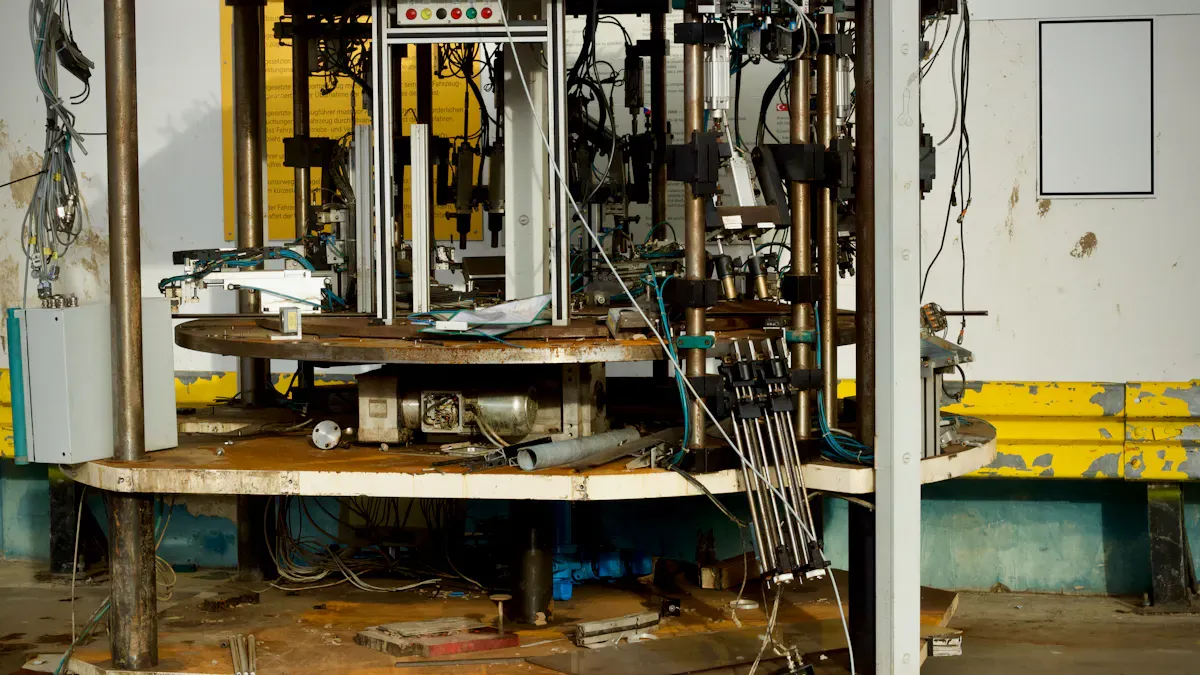
You can watch the vertical injection molding process happen in steps. The vertical injection machine changes raw plastic into finished products. Here is what happens:
Material Loading: You put raw plastic pellets in the hopper. The hopper can dry the pellets to remove water.
Melting: The pellets go into the barrel. The screw turns and heats the plastic until it melts.
Injection: The screw pushes the melted plastic into the mold through the nozzle.
Cooling: The plastic cools down and gets hard inside the mold.
Ejection: The clamping unit opens the mold. The ejector system pushes the finished part out.
You use a touch-screen to control each step. The vertical injection molding machine lets you change pressure and speed for every stage. You can use different materials and make many designs. The vertical injection molding process gives you very accurate results every time.
Main Components
Vertical injection molding machines have many important parts. These parts help you make products that are stable and exact. The main components of injection molding machine are:
Four-Column Guided Injection System: This system keeps the injection unit steady. You get smooth movement and the mold stays in the right place.
Double-Cylinder Mold-Locking Mechanism: Two cylinders lock the mold tightly. This gives strong force and stops leaks while molding.
Touch-Screen Controls: You use a 10-inch color touch-screen to run the machine. You can set controls and check the process easily.
Multi-Stage Pressure/Speed Control: You change pressure and speed at different steps. This helps you make complex parts and keep quality high.
40Cr Alloy Tie-Bars and Reinforced Templates: These parts make the machine strong. You can use it for tough molding jobs.
Tip: You can change the vertical injection machine for thermoset or thermoplastic materials. This lets you make many kinds of products.
These parts work together to help the machine run well. The vertical injection molding machine gives you steady work and very accurate products. You can use it to make shoe soles, electronic inserts, and car connectors. The advanced features help you meet strict rules for making products.
Key Features of Vertical Injection Machine
Precision and Stability
You want your products to be very exact. The vertical injection machine helps you get high accuracy every time. You can make parts with tiny tolerances, like ±0.02mm or even smaller. This means your parts fit together really well. The strong mold-locking force and steady injection volume keep your results the same each time.
The machine’s design gives you steady work, even when it runs fast. The segmented frame lowers the center of gravity. This makes the machine more stable while making products. Here is how these features help:
Feature | Benefit |
|---|---|
Segmented machine frame design | Lowers the machine's center of gravity, improving stability during production. |
You also get strong parts like 40Cr alloy tie-bars and reinforced templates. These let you use the machine for tough jobs without worry. The machine has ISO 9002 and CE certifications. These show it meets safety and quality rules around the world.
Note: You can trust the vertical injection molding machine for small and big projects. It gives you accuracy, saves space, and works reliably.
Insert Molding Capability
You can use the vertical injection molding machine for many kinds of insert molding. The mold opens up and down, so you can place inserts by hand or with machines. You can use this machine for:
Insert molding with threaded inserts for strong screw threads in plastic.
Overmolding, where you add a soft layer over a hard plastic base. This is common for tool grips and handles.
The vertical design keeps inserts steady during the injection process. Gravity helps hold them in place. This lowers the chance of bad parts and makes production faster. You can finish cycles quickly and with fewer mistakes. The machine also gives you better visibility and access than horizontal machines.
Here are some advantages you get with vertical injection molding:
Easier manual operation
Quick and comfortable insert placement
Lower pressure and clamping force needed
Reduced risk of misalignment
Faster production cycles
You can handle jobs with many parts easily. The vertical injection machine gives you flexibility for different products.
Thermoset and Thermoplastic Options
You can use the vertical injection machine for both thermoset and thermoplastic materials. This gives you more choices for your projects. Some common thermoplastics you can use include:
Polypropylene (PP): Lightweight and flexible
Acrylonitrile Butadiene Styrene (ABS): Strong and impact-resistant
Polyethylene (PE): Durable and chemically resistant
Polycarbonate (PC): High impact strength and clear
Polyamide (Nylon, PA): Tough and wear-resistant
Polyoxymethylene (POM/Acetal): Stable and precise
Polystyrene (PS): Good for general and high-impact uses
Polyethylene Terephthalate (PET): Used for preforms and trays
You can also use thermosets such as:
Epoxy resins for strong composites
Phenolic resins for heat-resistant electrical parts
Polyurethane (PU) for lightweight structures
The injection molding machine lets you switch between these materials easily. You can change the machine to fit your needs. This makes the vertical injection molding machine a smart choice for many industries.
Applications and Industries
Footwear, Electronics, Automotive
Vertical injection molding machines are used in many industries. In footwear, they help make shoe soles and uppers. These parts have strong bonds and detailed shapes. In electronics, you make connectors, switches, and parts for circuit boards. These need high accuracy and stable assembly. The automotive industry uses these machines for dashboard trims and inserts. They also make electrical connectors for cars. You can create complex shapes and smooth finishes for car interiors.
Here are some common products made with vertical injection molding machines:
Shoe soles and uppers for sports and casual shoes
Electronic connectors and insulation parts
Dashboard trims, knobs, and panels for cars
Thin housings for smart devices and wearables
Appliance controls and comfortable grips
The automotive industry uses these machines the most. You find them in small workshops and big factories.
Industrial and Custom Uses
Injection molding machines are used in many other fields. Medical device makers use them for grips, plungers, and precise parts like syringes and catheters. The packaging industry uses them for bottle caps, seals, and special closures. Consumer goods companies use them for toys, appliance cases, and household items.
Here is a table showing how different industries use vertical injection molding:
Industry Sector | Examples of Applications |
|---|---|
Medical Devices | Syringes, catheters, surgical instruments |
Automotive Parts | Interior trim, connectors, exterior parts |
Consumer Goods | Toys, household goods, electronic casings |
Packaging | Bottles, seals, closures |
Electronics | Molded connectors, switches, insulation components |
You can use these machines for small or large production jobs. The system saves energy and power. The design fits well in small spaces. Automation and high precision help you make parts fast and with less waste.
Tip: You can pick small, medium, or large vertical injection molding machines to fit your needs.
Advantages of Vertical Injection Machines
Flexibility and Efficiency
Vertical injection molding machines give you many good things. You can work faster and make smarter choices. It is easy to change settings for different products. The touch-screen lets you adjust pressure and speed for each step. You can use thermoset or thermoplastic materials without much trouble.
These machines help you work better by 20%. You use less energy, saving up to 15% compared to other machines. Special clamping systems and servo motors use less power and make less waste. You spend less money on electricity and materials. You get steady results, so you make fewer mistakes and waste less.
Tip: You can add these machines to your production line easily. The design helps with automation and smart controls. This makes your work more flexible.
Space and Automation Benefits
Vertical injection molding machines save space in your factory. Their small size fits well in tight areas. You can use your factory space better and work more efficiently. Horizontal machines need more room, so vertical machines are good for factories with less space.
Automation makes your molding safer and faster. Robotic arms and cobots help take out parts, check them, and do extra steps. All-electric machines with servo motors and smart controllers give you exact control over injection, heat, and pressure. Rotary tables let you load and unload parts at the same time. This saves time and lowers labor costs.
Robotic arms make work safer and faster.
Smart controllers help with accuracy and save energy.
Rotary tables cut down cycle times and labor.
Modern vertical injection molding machines are ready for automation. You can use IoT monitoring and real-time process control. These features help you make better choices and improve your molding.
HONLED Plastics Machinery Co., Ltd. gives reliable machines to over 30 countries. You can trust their worldwide service and quality. You get solutions that save money and energy for your molding jobs.
Vertical vs. Horizontal
Structural Differences
Vertical and horizontal injection molding machines look different. Vertical machines have their main parts stacked up and down. Horizontal machines put their parts next to each other. This changes how much space they use and how you work with them.
Feature | Vertical Injection Molding Machine | Horizontal Injection Molding Machine |
|---|---|---|
Arrangement of Components | Vertically arranged components (injection unit, clamping unit, hydraulic system) | Horizontally arranged components (injection unit, clamping unit, hydraulic system) |
Footprint | Requires less floor space due to vertical design | Needs more floor space due to horizontal design |
Operational Characteristics | Good for insert molding and small parts | Used for many types of products and larger parts |
A vertical machine saves space in your factory. You can put it in a small area. A horizontal machine needs more room but can use bigger molds.
Performance and Application
You might wonder how these machines work. Vertical machines are good for making small and exact parts. They finish jobs fast and make high-quality pieces. Gravity helps keep inserts in place, so insert molding is easier. People use vertical machines for medical tools, electronics, and car parts.
Vertical machines help you work faster with short cycles.
You get good control and the same results each time.
Vertical machines are great for insert molding and overmolding.
Horizontal machines can make bigger and more complex parts.
Horizontal machines are better for making lots of parts quickly.
Pick a vertical machine if you need accuracy and want to save space. Choose a horizontal machine for making many big parts.
Choosing the Right Machine
Think about your factory size, what you want to make, and how many you need. Vertical machines use less floor space. You can reach the mold easily and do insert molding without trouble. Horizontal machines can inject more plastic and cost less for tools. It is easy to change molds on them.
Common Mistakes in Machine Selection | Description |
|---|---|
Ignoring Machine Precision | Small changes in pressure or temperature cause defects. |
Overlooking Production Efficiency | Machines must meet output needs without delays. |
Focusing Solely on Initial Cost | Long-term costs can be higher than purchase price. |
Neglecting Material Compatibility | Machines must match your plastics and mold designs. |
Tip: Pick machines with smart controls, energy-saving parts, and automation. These features help you work better and waste less.
You make the best choice when you match your needs to the right machine. You avoid mistakes by thinking about accuracy, speed, and if the machine fits your materials.
Vertical injection moulding machines are strong tools for making exact parts. These machines help you finish work faster and use less energy. People use them in medical, electronics, and car factories. Gravity helps the plastic flow and keeps inserts steady. This gives you very accurate parts. Pick a vertical machine if you need insert moulding or overmoulding. They are also good if your space is small.
Application Type | Advantages |
|---|---|
Insert Moulding | Inserts stay in place and are very stable |
Overmoulding | Different materials join together easily |
Compact Production | Machine fits well in small factory spaces |
Think about what you need to make, what the machine can do, and how much it will cost in the long run before you choose.
FAQ
What is a vertical injection molding machine used for?
A vertical injection molding machine makes plastic parts. It is good for insert molding and overmolding. You can also use it for small or detailed items. Many companies use it in footwear, electronics, and cars.
How does a vertical injection molding machine save space?
The machine stands up tall, not sideways. This means it fits in small spaces. You can use your factory floor better.
Can you use different materials in one machine?
You can use thermoset and thermoplastic materials. You change the settings and molds to switch materials. This lets you make many types of products.
Why choose a vertical machine over a horizontal one?
A vertical machine is better for insert molding. It is easier to use by hand. It saves space in your factory. Gravity helps keep inserts in place. You can set up small parts faster.
Recent News
1.Rotary Vertical Injection Moulding Machines in 2026 The Upsides and Downsides
2026-04-162.Top Suppliers for Vertical Shoe Sole Injection Molding Machines in 2026
2026-04-163.Understanding Shoe Sole Injection Molding Machine Specs for Modern Footwear Production
2026-04-094.TPU sole injection machine for shoes what makes it unique
2026-03-175.PVC vs. TPR vs. TPU: Which Material is Best for Your Shoe Sole Injection Machine?
2026-02-286.Top 10 Shoe Injection Moulding Machine Manufacturers in Indonesia 2026
2026-01-277.80 Ton Injection Molding Machines for Various Applications
2026-01-12