




How Shoe Injection Molding Machines Shape Footwear
 Oct 14, 2025|
 View:1709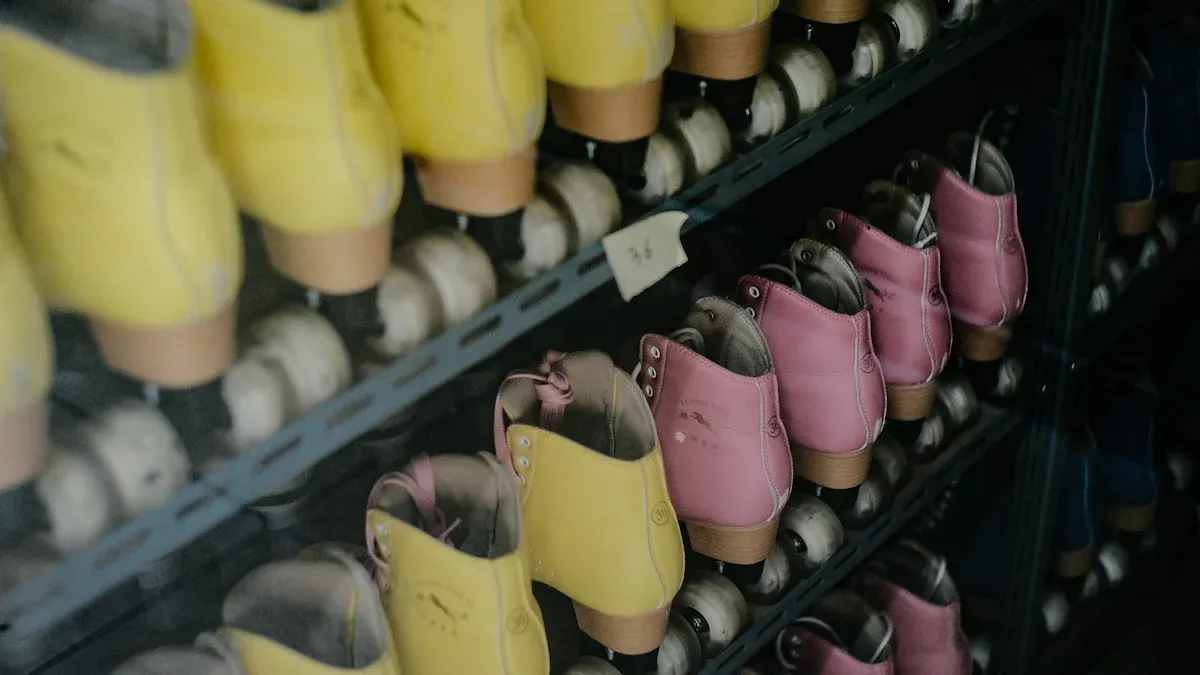
You can see how a shoe injection molding machine works. It shapes shoes by pushing hot material into special molds. This way, shoes are made fast and with great detail. In big places like Asia-Pacific, injection molding helps factories make more shoes. It also helps them keep up with more people wanting shoes.
Key Takeaways
Shoe injection molding machines make shoes fast and easy. Factories can make many shoes with less waste.
Picking good materials like thermoplastics and elastomers matters. These choices change how comfy, strong, and useful the shoe is.
Automation and smart controls help make shoes faster. They also make shoes better and lower mistakes from people.
Using green materials like biodegradable plastics and recycled stuff helps the planet. These choices make shoes that are better for the environment.
Customization tools let people design special shoes. This means shoes can fit better and look cooler for buyers.
Injection Molding Process
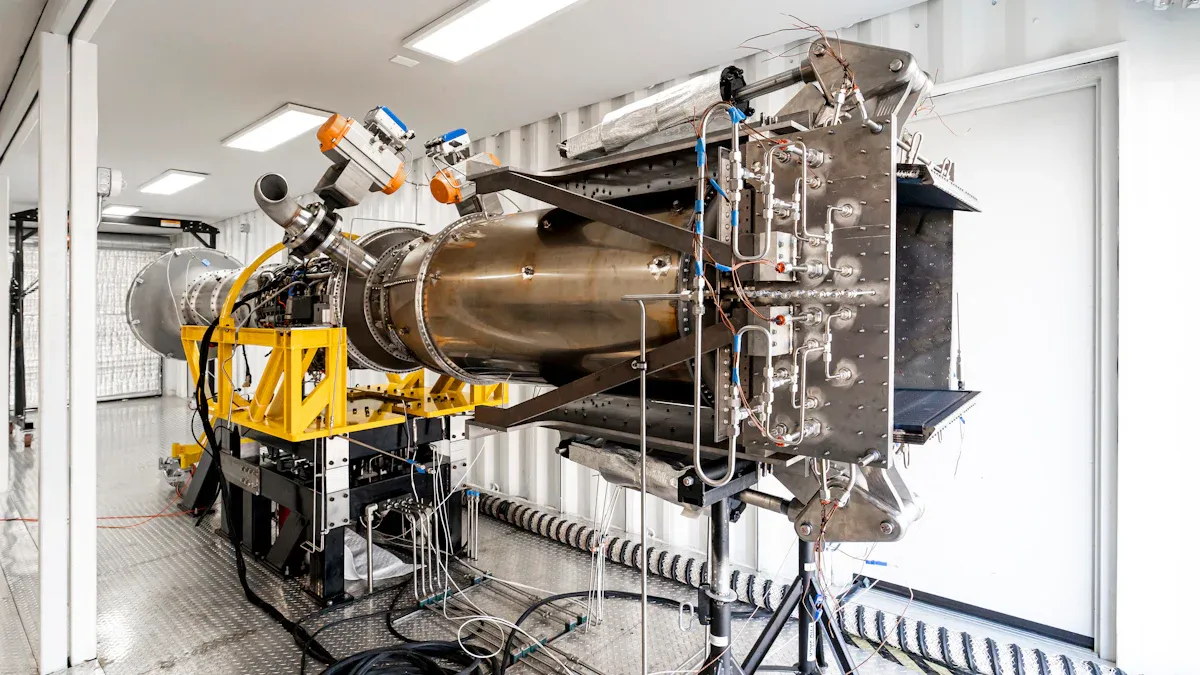
Today, making shoes is a careful process. Factories turn raw materials into finished shoes. Injection molding uses steps to make shoes strong and stylish. Let’s see how your shoes are made.
Material Preparation
First, you pick the right materials for the shoe. Common materials are thermoplastics, elastomers, silicone, TPE, and TPU. Each one has special benefits:
Thermoplastics melt and change shape easily. They are good for recycling.
Elastomers make shoes bend and feel soft.
Silicone stands up to heat and chemicals.
TPE mixes rubber and plastic features.
TPU bends well and does not wear out fast.
Other materials like EVA, TPR, PU, and PVC are used for soles. TPR helps you grip the ground and saves money. PU makes soles last longer and keeps them strong. The material you choose changes how the shoe feels and works.
Mold Setup
Next, you get the mold ready. This step shapes the sole and other shoe parts. You must control the heat, speed, and pressure. If you do not, the shoe may have problems.
The mold has two parts: the cavity and the core. These make the inside and outside of the shoe. Sprues, runners, and gates move the melted material into the mold. Good exhaust lets air out and stops marks or burns. Mold flow analysis checks if everything works before you start.
Note: Using PVC for foamed soles saves money and makes shoes lighter. But you need to watch for flow problems that can cause defects.
Injection and Shaping
Now, you reach the main step. You put the shoe last, which is foot-shaped, in the mold. The machine closes the mold tight. It pushes melted material into the space for the sole. This step sticks the sole to the upper part.
There are two ways to do this: direct injection and air blowing. Direct injection makes a strong bond and smooth finish. Air blowing makes the sole lighter and cheaper, but not as strong.
Here are the steps:
Put the last mold in place.
Cover it with a two-piece mold for the sole.
Inject the melted material.
Let it cool and stick to the upper.
Feature | Direct Injection Technique | Air Blowing Technique |
|---|---|---|
Bond Strength | Sole joins upper, very strong | Not as strong |
Quality Consistency | Very steady | Can change |
Surface Finish | Smooth and nice | Smooth but less thick |
Production Control | Easy to control | Harder to control |
Cost-Effectiveness | Costs more | Saves money |
Cooling and Ejection
After shaping, you must cool the shoe. Cooling takes the most time. If you rush, the sole can bend or get weak. Cooling depends on how thick the sole is and what it is made of. Good cooling gives better shoes with fewer problems.
When the shoe is cool, you take it out of the mold. The way you remove it depends on the shape and material. Simple soles are easy to remove. Complex shapes need careful design. You must use the right force so the shoe comes out without damage.
Ejection Factor | Explanation |
|---|---|
Product characteristics | Shape and material decide how to remove the shoe |
Geometric shape | Simple shapes are easy; complex ones need care |
Material properties | Different plastics need different ways to remove |
Ejection method | Use push rod or plate, depending on the shoe |
Uniform ejection position | Even force stops damage |
Accurate ejection force | Right force helps the shoe come out smoothly |
Finishing Steps
The last step gets the shoe ready to wear. You clean off extra bits or marks. You check each shoe for quality. Leather shoes get polished and conditioned to stay shiny and soft. Then, you pack the shoes to keep them safe when shipped.
Finishing also means trimming, painting, or adding decorations. These steps make shoes look better and last longer. A good finish helps the shoe work well and look nice.
Tip: Finishing is not just for looks. It helps shoes last longer and work better, so you get more value.
Shoe Injection Molding Machine Types
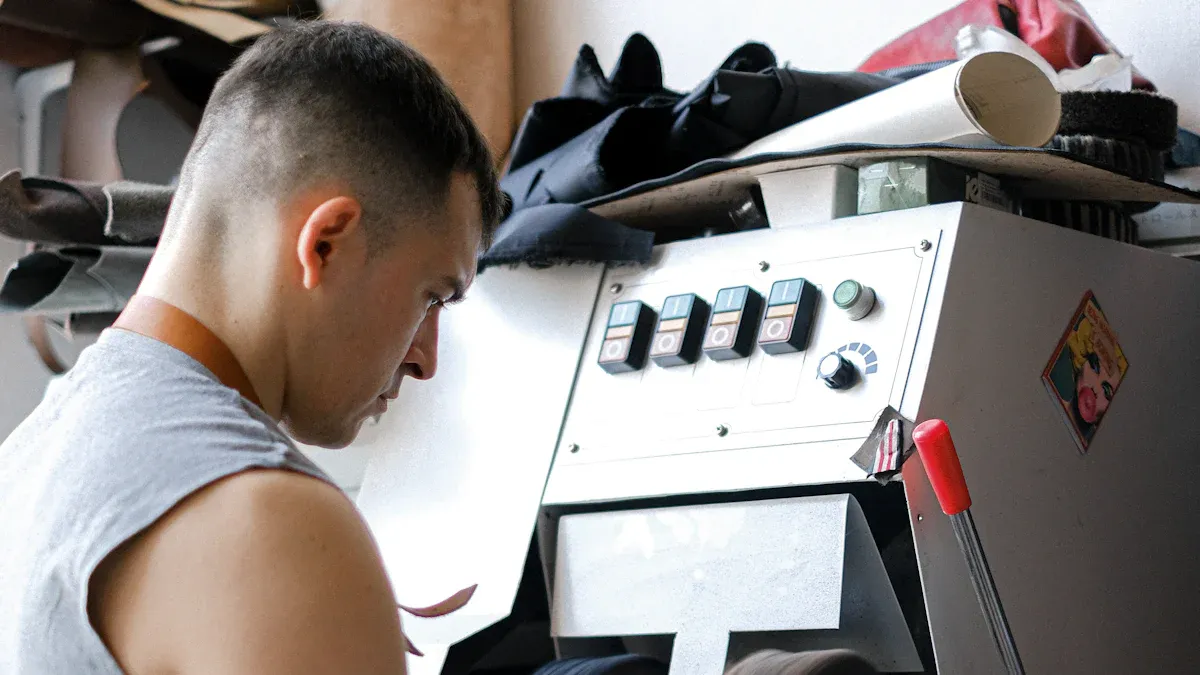
There are different kinds of machines for making shoes. Each shoe injection molding machine has its own job. These machines help shape shoes and soles. They work with many materials and shoe parts.
Plastic Injection Machines
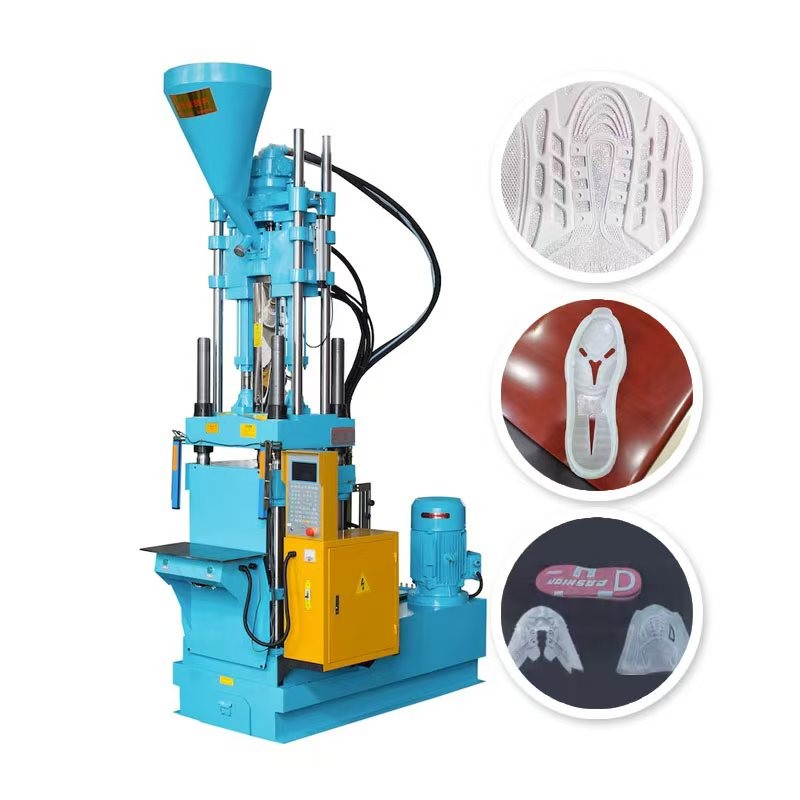
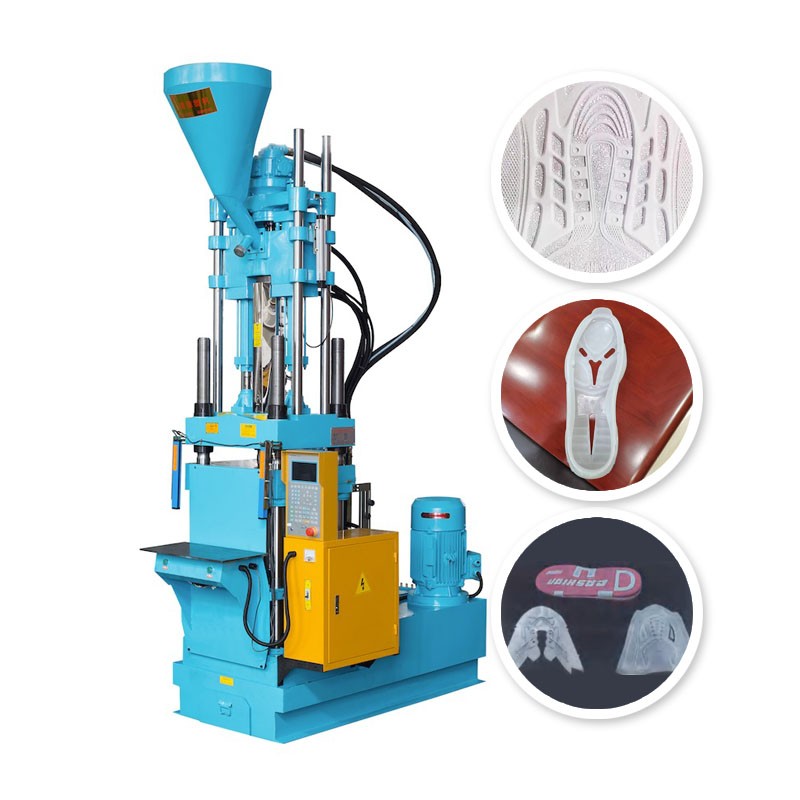
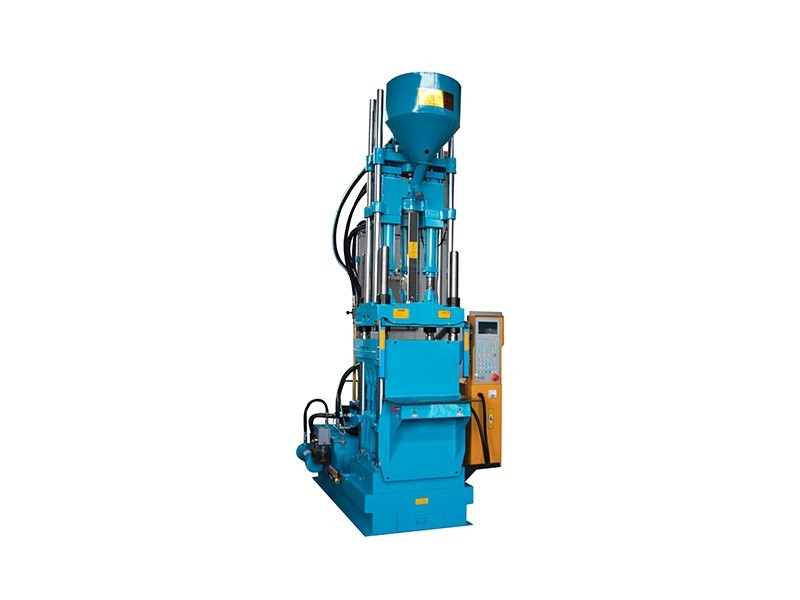
Plastic injection machines make detailed soles and uppers. You use them with thermoplastics like EVA, PU, and PVC. The shoe injection molding machine pushes melted plastic into molds using high pressure. This makes shoes quickly and wastes less material. You can create cool designs and patterns for injection molded footwear. These machines are good for small or big factories. You pick the best machine for your space and the materials you want.
Type of Machine | Applications | Advantages |
|---|---|---|
Injection Molding Machines | Used for creating complex sole designs with high precision. | Faster production and less waste due to high-pressure injection. |
Compression Molding Machines | Ideal for rubber soles, especially thicker and more durable options. | Excellent durability and longevity for rubber products. |
Extrusion Molding Machines | Not typically used for entire soles but useful for creating raw materials. | Provides the necessary materials for other molding processes. |
Sole Injection Machines
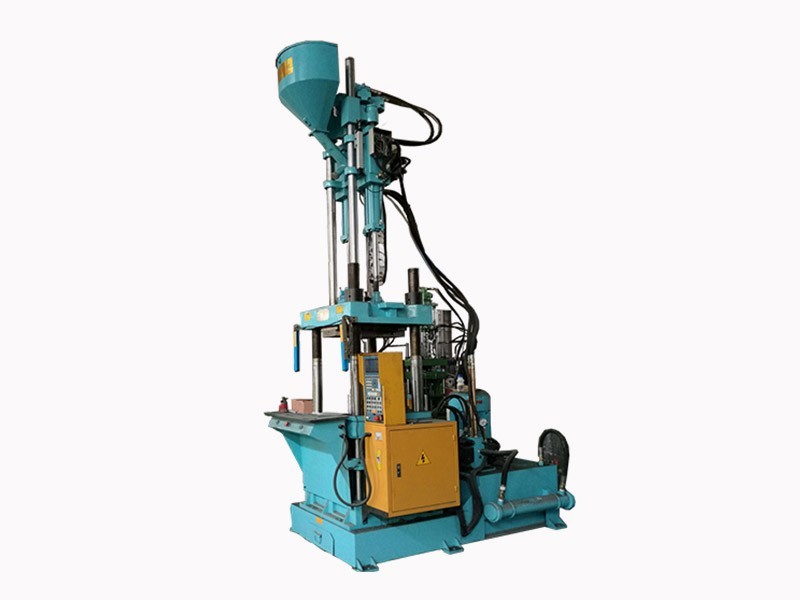
Sole injection machines make strong and tough soles. You use them for TPR, PU, and rubber. The shoe injection molding machine shapes the sole and sticks it to the upper. Direct injection gives a strong hold. Air blowing makes lighter soles. Some machines use robots for certain steps. You get soles that last longer and grip better. This helps you make many types of injection molded footwear.
Machine Type | Purpose/Function | Price Range |
|---|---|---|
Manual tasks for small workshops | $149 - $830 | |
Specialized Component Machines | Automation for key sub-processes | $1k - $31k |
Partial Automation Lines | Automate significant sections of assembly | $13.8k - $19k |
Full Production Lines | Integrated, high-volume production | $40k - $600k |
Material Specificity | Optimized for materials like EVA, PU, PVC, Leather | N/A |
ETPU and Air Blowing Machines
If you want shoes for sports, you use etpu shoe sole molding machines. These machines work with expanded thermoplastic polyurethane (ETPU). The soles have air beads that feel like tiny pillows. This shoe injection molding machine gives comfort, bounce, and absorbs shocks. You see these in running and athletic shoes. Air blowing machines also make light soles for injection molded footwear. You get shoes that feel soft and last a long time.
Advantage | Description |
|---|---|
Comfort | ETPU provides outstanding comfort due to its air-filled beads acting as tiny pillows for support. |
Energy Return | ETPU soles offer superior energy return, making them ideal for athletic footwear. |
Shock Absorption | ETPU absorbs significant impact, reducing stress on joints and muscles during activities. |
Durability | ETPU is known for its durability, making it suitable for high-performance footwear. |
Tip: Picking the right shoe injection molding machine makes your injection molded footwear better. This technology helps you match the machine to the material and shoe you want.
Benefits for Footwear
Design Flexibility
Injection molding lets you make many shoe styles. You can use lots of colors and materials. It is easy to add special patterns or extra grip to soles. If you want a new look, just change the mold. This helps you follow new trends fast. You can also make shoes for sports or bad weather. You only need to pick a different shape or material. Injection molding gives you more ways to make shoes that are unique.
Efficiency and Speed
Injection molding makes shoes faster than old ways. You do not need many skilled workers. Machines do most of the work for you. You can make hundreds of shoes every day. This saves time and money. You also use less material, so there is less waste. Here are some ways injection molding helps:
Old shoe making takes a long time and needs skilled people, so you cannot make many shoes.
New machines do the work, so you can make lots of shoes with little help.
Machines keep steps the same and use less material.
Tip: Injection molding helps you make lots of shoes fast. You can send them to stores quickly when many people want them.
Quality and Consistency
Shoes made with injection molding are high quality. Every shoe looks and feels the same. This is good for big orders. High pressure fills the mold, so each shoe part forms well. Machines control heat and mixing, so there are fewer mistakes. This means you get fewer bad shoes and more good ones.
Factor | How It Improves Quality and Consistency |
|---|---|
High-pressure injection | Fills molds evenly for better shoe shape |
Controlled temperature and mixing | Keeps results steady from one batch to the next |
Automated process | Reduces human error and keeps shoes uniform |
Injection molding also helps the planet. It uses less energy and makes less waste. Your shoes are good quality and better for the earth.
Innovations in Injection Molding in Footwear
Automation and Smart Controls
Shoe factories are changing a lot with automation and smart controls. Machines now use new technology like AI and IoT. These tools help control each step of making shoes. You can make etpu soles very accurately. Fully automated machines mean less work for people. This helps shoes get made faster and with fewer errors. High-speed injection molding makes more etpu shoes in less time. Advanced controls set the right temperature and pressure for etpu. Real-time monitoring lets you find problems early. This keeps etpu soles the same quality every time. The table below shows how automation helps:
Automation Feature | Benefit for etpu Footwear Production |
|---|---|
Faster etpu shoe output, less human error | |
Consistent production runs | Uniform etpu sole quality |
High-speed injection | Shorter etpu production cycles |
Numerical control technology | Accurate etpu material use |
Real-time monitoring | Better etpu quality control |
Sustainable Materials
You help the earth when you pick sustainable materials for etpu shoe injection molding. Factories now use plastics that break down and recycled materials. These choices make less waste and pollution. For example, you can use etpu made from old plastic bottles. Some etpu soles use plant-based materials like PLA. These break down faster in the environment. You also see etpu soles made with recycled content from used products or factory scraps. The table below explains some choices:
Material Type | Description | Environmental Impact |
|---|---|---|
etpu blends that break down naturally | Less landfill waste | |
Polylactic Acid (PLA) | Plant-based etpu for eco-friendly shoes | Compostable, less pollution |
Recycled Plastics | etpu from reused bottles or waste | Reduces new plastic use |
Post-consumer Recycled (PCR) | etpu from used products | Supports recycling, may vary in quality |
Post-industrial Recycled (PIR) | etpu from factory scraps | High quality, efficient recycling |
Tip: Choosing sustainable etpu helps make shoes that are better for the planet.
Customization Advances
You can now get shoes that fit your style and needs because of new customization tools. Factories use computer design to change the shape and feel of etpu soles. You can adjust the shape of etpu midsoles for more comfort. 3D-printed molds let you test new etpu designs quickly. This means you do not wait long for new styles. Algorithmic design helps you make etpu soles with special features, like more bounce or grip. Fast molding lets you try many etpu prototypes. You get shoes that fit your foot and your style.
You can order etpu shoes in small amounts.
Factories use digital tools to scan your foot and make custom etpu soles.
New etpu designs reach stores faster because of quick testing.
Note: Custom etpu shoes help brands give you what you want fast.
New ideas in etpu injection molding give you better shoes, faster service, and more choices. You see higher quality, more eco-friendly options, and styles that fit you best.
Shoe injection molding machines help make shoes today. They let factories make shoes the same way every time. This means shoes are high quality and made quickly. There is less waste, so it saves money. These machines use four steps to shape shoes for what people want. You get shoes that look good and last longer. Factories can also make many different shoe styles.
Experts think shoe injection molding will help the planet and make factories work better.
In the future, you will see more earth-friendly materials and even better shoes.
Benefit | Impact on Shoes |
|---|---|
Production Efficiency | Shoes are made faster and cheaper |
Customization | Shoes can look cool and different |
Material Versatility | Shoes for all kinds of uses |
More and more factories use shoe injection molding, so you will find lots of great shoes made with new technology.
FAQ
What is injection molding in footwear manufacturing?
Injection molding makes footwear by pushing melted material into a mold. This creates strong and detailed parts for shoes. Factories use this process to make many pairs fast. They use injection molding for soles, midsoles, and other shoe parts.
Why do factories use injection molding for footwear?
Factories pick injection molding because it makes shoes faster and wastes less. You can make many shoe designs with this method. The process keeps the quality the same for each shoe. It also helps save money on materials.
Which materials work best for footwear injection molding?
Many materials are used in footwear injection molding. Factories use EVA, PU, TPR, PVC, and ETPU. Each one gives shoes special benefits. EVA makes shoes light. PU makes them strong. TPR helps shoes grip better. ETPU adds bounce and comfort.
How does injection molding improve footwear quality?
Injection molding makes shoes with even shapes and strong parts. Machines control heat and pressure for every shoe. This means there are fewer mistakes. Each shoe looks and feels the same. You can trust the quality of your shoes.
Can you recycle materials from footwear made with injection molding?
Yes, you can recycle many shoe materials made with injection molding. Thermoplastics can melt and be shaped again. Factories collect leftover pieces from making shoes. They use these pieces to make new shoes. This helps cut down on waste.

Recent News
1.Advantages of Sole Injection Molding Machines
2024-10-212.Safety Helmet Injection molding machine Guide
2024-10-113.Understanding PVC Sole Making Machines: A Comprehensive Overview
2024-10-174.What is an auto injection machine?
2024-09-245.What is double colour injection moulding machine?
2024-09-096.How much does an industrial plastic injection molding machine cost?
2024-08-23