


How to Choose the Right Shoe Sole Making Machine: Expert Guide for Manufacturers
 Mar 10, 2025|
 View:1472
With the continuous development of the global footwear industry, the production requirements for shoe soles are getting higher and higher. The quality of shoe soles, production efficiency, and process precision have become the core concerns of manufacturers. Choosing a suitable shoe molding machine for one's own production line, whether it is a PU sole machine or a vertical plastic injection machine, directly affects the final quality of the products and production efficiency. Therefore, how to select a suitable shoe molding machine has become an issue that every footwear manufacturer needs to carefully consider.
This article will provide you with a detailed guide to help you make the most suitable choice among numerous shoe sole manufacturing machines. From industry standards and cost analysis to success stories, it ensures that you avoid common misunderstandings when purchasing equipment and improve productivity and product quality.
Industry Standards: Key Technical Specifications
When choosing a suitable shoe molding machine, it is crucial to understand its technical specifications. Different types of shoe sole manufacturing machines, such as shoe molding machines and PU sole machines, have significant differences in technical parameters. The right choice can ensure an efficient and stable production process.
Pressure Capacity: The pressure capacity of a shoe sole making machine directly affects the molding effect. Higher pressure can ensure the compactness and stability of shoe sole molding, thus enhancing the durability of the shoe soles. According to different shoe sole materials (such as PU, rubber, etc.), it is essential to select equipment with an appropriate pressure range.
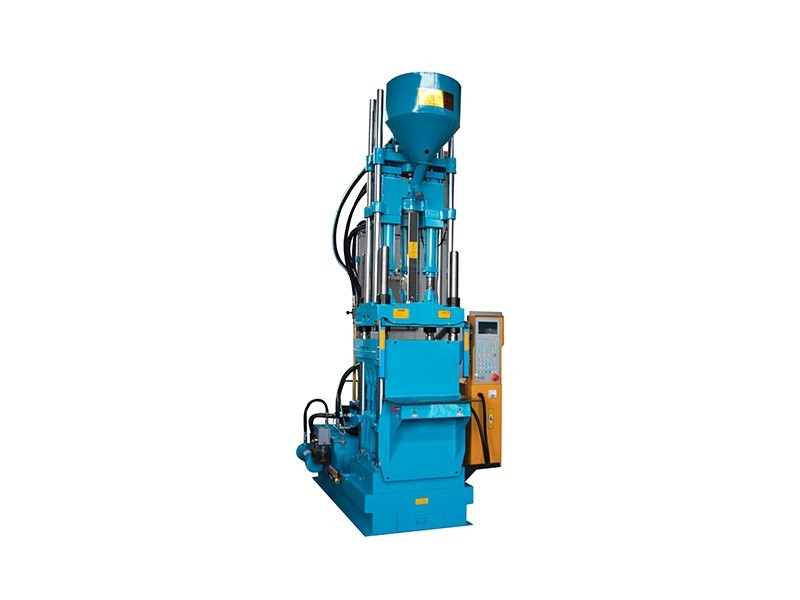
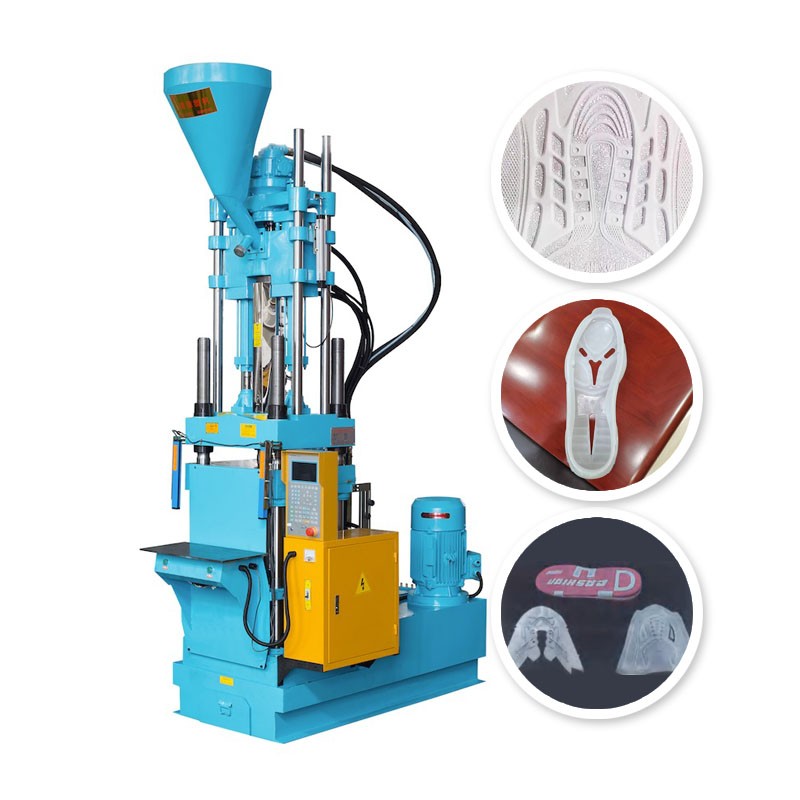
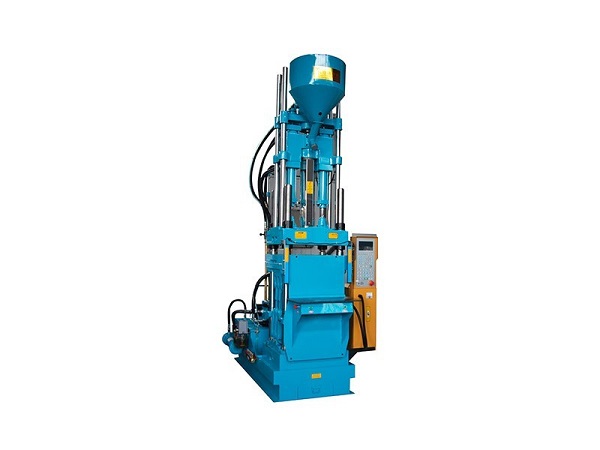
Mold Compatibility: Different shoe sole making machines have different compatibilities with various types of molds. Vertical plastic injection machines usually have better mold compatibility and are suitable for producing a variety of shoe sole styles. Understanding the size and type of the molds you need and selecting the matching equipment can reduce friction and unnecessary costs in production.
Production Efficiency and Precision: Equipment with higher precision can ensure that the shape of the bottom of each pair of shoes is consistent, reducing waste caused by machine inaccuracy. Production efficiency determines the production capacity of a single machine, which directly affects the output of your production line.
Cost Analysis: Comparison of Return on Investment between Hydraulic Machines and Automated Machines
When choosing a shoe sole manufacturing machine, cost is a factor that cannot be ignored. The cost structures of hydraulic shoe molding machines and automated shoe sole manufacturing machines are quite different. The following is a comparison of the return on investment (ROI) between hydraulic machines and automated machines.
Hydraulic Shoe Molding Machine: Hydraulic equipment usually requires a relatively high initial investment, but its efficient molding ability and low maintenance cost can bring higher returns in long-term use. If your production requires a stable and continuous high output, a hydraulic machine is a good choice.
Automated Shoe Sole Manufacturing Machine: Automated equipment is more efficient and suitable for large-scale production, which can significantly reduce labor costs. However, this type of machine usually requires a large initial investment and high-end maintenance technology. Therefore, when choosing, you need to weigh according to your production scale and budget.
By comparing the long-term return on investment of these two types of equipment, manufacturers can make equipment choices that are more in line with their own production needs.
Success Stories: How Footwear Brands Optimize Production with Precision Machinery
After a well-known footwear brand adopted advanced shoe sole making machines, the production line efficiency increased significantly. Under the traditional production mode, this brand faced problems such as frequent mold damage and unstable product quality. By choosing a high-precision PU sole machine, this brand successfully reduced waste, improved the consistency and durability of shoe soles, and greatly reduced production costs.
This brand specifically selected a vertical plastic injection machine that is compatible with a variety of molds, which can quickly change molds according to different design requirements, ensuring the flexibility and diversity of production. With the help of these precision equipment, this brand not only increased the production speed but also improved the market competitiveness of its products and quickly occupied a place in the industry.
Expert Tips: Three Red Flags to Avoid When Purchasing Equipment
When choosing a shoe sole manufacturing machine, manufacturers often tend to fall into the following traps:
The Temptation of Low Prices: Some low-priced equipment may have hidden costs, such as high maintenance fees and energy consumption. If the price of a machine is much lower than the normal market level, it may increase the additional expenses of the enterprise in long-term use.
Overly Complex Operation Interfaces: Although automated equipment provides high production efficiency, if the operating system is too complex, it may lead to an increase in employee training costs and affect the continuity of production.
Neglect of After-Sales Service: When purchasing equipment, after-sales service is also a crucial aspect. Choosing manufacturers that provide long-term technical support and maintenance services can help enterprises get the machines repaired as soon as possible when problems occur, reducing production losses.
Conclusion
Choosing a suitable shoe molding machine is of vital importance for footwear manufacturers. By paying attention to industry standards, cost analysis, success stories, and expert tips, manufacturers can select the equipment that suits them more accurately. Whether choosing an efficient hydraulic shoe molding machine or a flexible PU sole machine, understanding the characteristics and advantages of different equipment will help improve production efficiency and the quality of footwear products. It is hoped that with the guidance of this article, you can make a wise decision, ensuring that your production line is more efficient and stable and the product quality reaches a higher level.