



Vertical Injection Machines vs. Horizontal Injection Machines: Key Differences and Selection Guide
 Aug 29, 2025|
 View:1600
In the field of plastic manufacturing, injection molding machines serve as indispensable core equipment, with vertical and horizontal injection machines representing the two mainstream types on the market. While both operate on the same fundamental principle—injecting molten plastic into a mold cavity where it cools and solidifies into the desired shape—they differ significantly in structural design, operational characteristics, and application scenarios. A clear understanding of these differences is essential for companies to select the most suitable equipment based on their production requirements. This article provides a detailed comparison and analysis of these two types of machines from multiple perspectives.
Vertical Injection Machines: Design, Advantages, and Ideal Applications
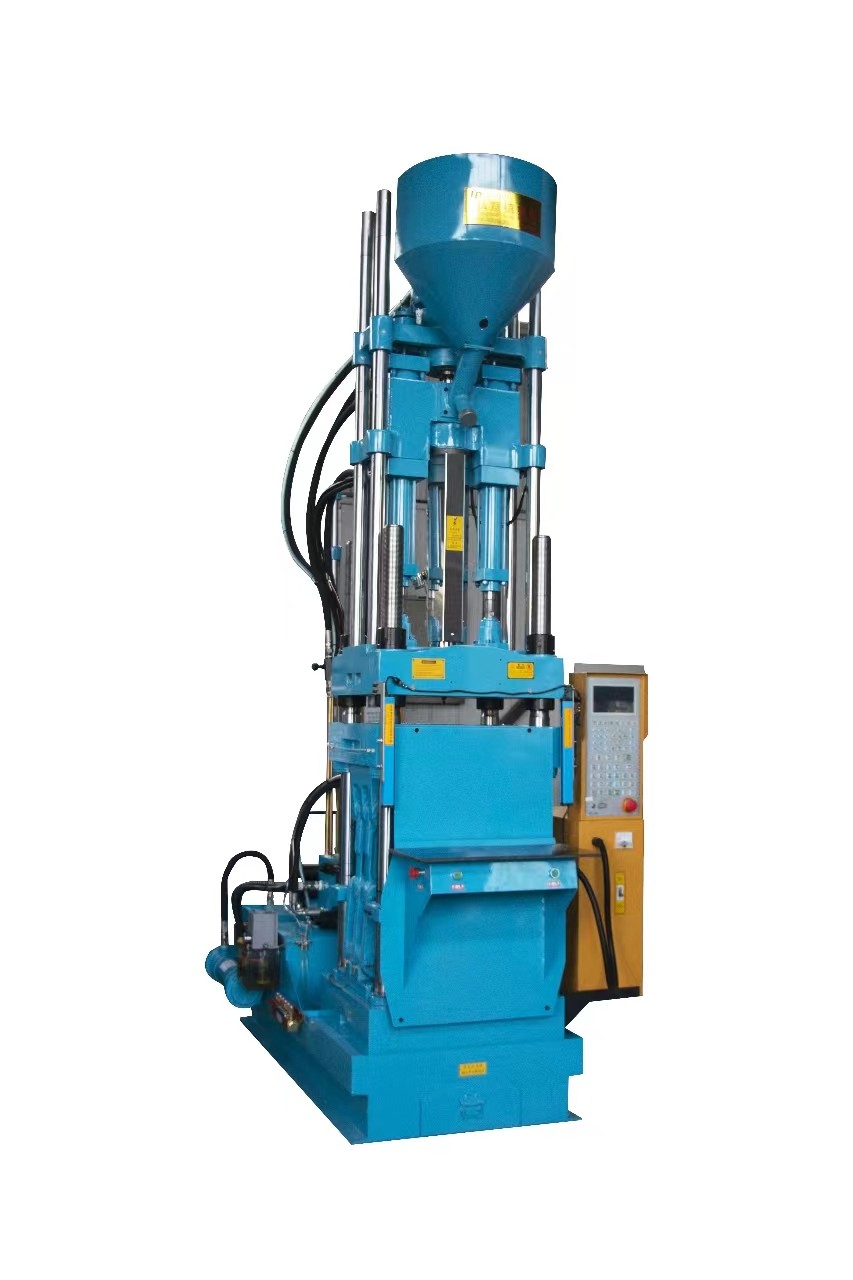
Vertical injection machines are distinguished by their unique vertical structural layout, which determines their distinctive performance in specific production scenarios.
Core Design and Operational Principles
The most prominent feature of vertical injection machines lies in the vertical movement of the mold clamping mechanism. The two halves of the mold open and close in an up-and-down direction, and the injection unit is usually installed at the top of the mold. In the production process, gravity plays a vital role: it assists in filling the mold cavity with molten plastic, reducing the reliance on high injection pressure, and thereby optimizing the filling time while improving the consistency of material distribution.
In terms of equipment configuration, vertical injection machines are often equipped with open clamps and rotary tables. This design enables simultaneous execution of multiple processes—such as pre-molding (e.g., preparing inserts), injection molding, and post-molding (e.g., trimming burrs)—by switching between multiple molds on the rotary table. This "parallel operation" mode greatly reduces the need for manual intervention and effectively enhances production efficiency.
However, it is important to note that unlike horizontal machines, the finished products of vertical injection machines do not fall out of the mold automatically after ejection. They must be removed manually or by a robotic arm, which becomes a key factor affecting its production rhythm in certain scenarios.
Advantages of Vertical Injection Machines
Superior Material Processing Performance
Gravity-assisted filling ensures more uniform flow of molten plastic in the mold cavity and more stable temperature distribution, which is particularly beneficial for manufacturing products with strict requirements on thickness uniformity and surface quality.
Strong Adaptability to Special Processes
It shows obvious advantages in insert molding and overmolding. Inserts (such as metal parts) can be naturally fixed in the mold under the action of gravity, without the need to design complex fixing structures in the mold or use additional positioning tools, simplifying the process and reducing mold costs.
Compact and Space-Saving
The vertical layout makes the equipment footprint only about half of that of a horizontal injection machine of the same specification. This is a huge advantage for factories with limited workshop space, as it helps optimize the layout of the production line and improve space utilization.
Lower Energy and Force Requirements
Due to the assistance of gravity in the filling process, vertical injection machines require lower injection pressure and mold clamping force to complete the molding operation. This not only reduces energy consumption but also extends the service life of the mold and the machine's core components.
Ideal Application Scenarios
Insert Molding and Overmolding
Common in the production of electronic components (e.g., connector housings with metal pins), automotive parts (e.g., sensor casings with embedded circuits), and daily necessities (e.g., handles with built-in metal brackets), where inserts need to be accurately positioned in the mold.
Small-Batch Multi-Process Production
Suitable for scenarios where multiple processes need to be completed in one production cycle, such as small-scale manufacturing of precision plastic parts that require pre-assembly of small components and post-molding inspection.
Space-Constrained Workshops
Ideal for small and medium-sized enterprises or workshops with compact layouts, where maximizing the use of limited space is a priority.
Limitations to Consider
Challenges in Product Removal
Manual or robotic removal of products is time-consuming, and if the operation is improper (e.g., excessive force or incorrect timing), it may cause damage to the finished products, especially for thin-walled or fragile parts.
Instability in Production Cycles
In manual operation mode, the accuracy of product removal timing is difficult to control, leading to inconsistent production cycles, which is not conducive to matching the rhythm of automated assembly lines.
Horizontal Injection Machines: Design, Advantages, and Ideal Applications
Horizontal injection machines have long been the mainstream equipment in the plastic molding industry. Their horizontal structural design and mature technical system make them irreplaceable in large-scale standardized production.
Core Design and Operational Principles
The core feature of horizontal injection machines is the horizontal movement of the mold clamping mechanism. The two halves of the mold move horizontally (left and right) to open and close, and the injection unit and the mold clamping unit are arranged on the same horizontal axis. Since gravity cannot assist in filling the mold, the machine relies on stable and precise injection pressure to ensure that the molten plastic fully fills the cavity, and to achieve effective pressure holding and cooling of the material.
In terms of mold design, horizontal injection machines usually adopt a multi-cavity structure—that is, multiple identical cavities are designed in one mold. This allows the machine to produce multiple products in a single production cycle, significantly improving the output per unit time. Additionally, due to the horizontal separation of the mold halves, the finished products automatically fall into the collection device under the action of gravity after ejection, eliminating the need for manual or robotic removal and realizing a fully automated production process.
Advantages of Horizontal Injection Machines
High Production Efficiency
The multi-cavity mold design enables the production of multiple products per cycle, and the automatic product falling function further shortens the production cycle. This makes horizontal injection machines particularly suitable for large-volume production, where they can maintain high and stable output.
Diverse Equipment Options
As a mature and widely used equipment type, horizontal injection machines offer a rich range of models and configurations. For example, they can be divided into hydraulic, electric, and hybrid types according to the power system, to meet the different needs of enterprises in terms of energy consumption, precision, and speed.
Stable and Reliable Operation
The horizontal layout ensures stable force transmission during the mold clamping and injection processes, reducing the risk of equipment vibration or deviation. At the same time, the automatic product removal system avoids human interference, making the production cycle more consistent and the product quality more stable.
Ideal Application Scenarios
High-Volume Standardized Production
Widely used in the mass production of daily necessities (e.g., plastic cups, food containers), automotive interior parts (e.g., instrument panel brackets, door trim panels), and packaging materials (e.g., plastic bottles, film rolls), where large output and uniform product specifications are required.
Production of Cylindrical Products
The horizontal injection process is highly compatible with the molding of cylindrical products (e.g., plastic pipes, roller sleeves). The horizontal mold opening and closing direction and uniform injection pressure help ensure the wall thickness consistency and roundness of cylindrical products.
Standard Molding Without Special Requirements
Suitable for the production of plastic parts that do not require inserts or overmolding, such as simple structural parts, decorative panels, and general-purpose plastic components. These products have relatively simple molding processes and can fully leverage the efficiency advantages of horizontal injection machines.
Limitations to Consider
Complexity in Insert Molding
When conducting insert molding, it is necessary to design additional fixing mechanisms in the mold to position the inserts (since gravity cannot assist in fixing), which increases the complexity and cost of the mold. At the same time, manual or robotic insertion of inserts into the horizontal mold is inefficient and prone to positioning errors.
Large Space Occupation
The horizontal layout requires a larger workshop area. Compared with vertical injection machines, horizontal machines of the same specification need about twice the space, which may be a constraint for factories with limited expansion space.
In general, if your production involves insert molding, has limited workshop space, or is in small to medium batches, a vertical injection machine is a more cost-effective choice. If you need to carry out large-volume standardized production, pursue high output efficiency, or focus on the production of cylindrical products, a horizontal injection machine will better meet your needs.
Recommended Products

Fully Automatic Rotary Plastic Injection Molding Machine
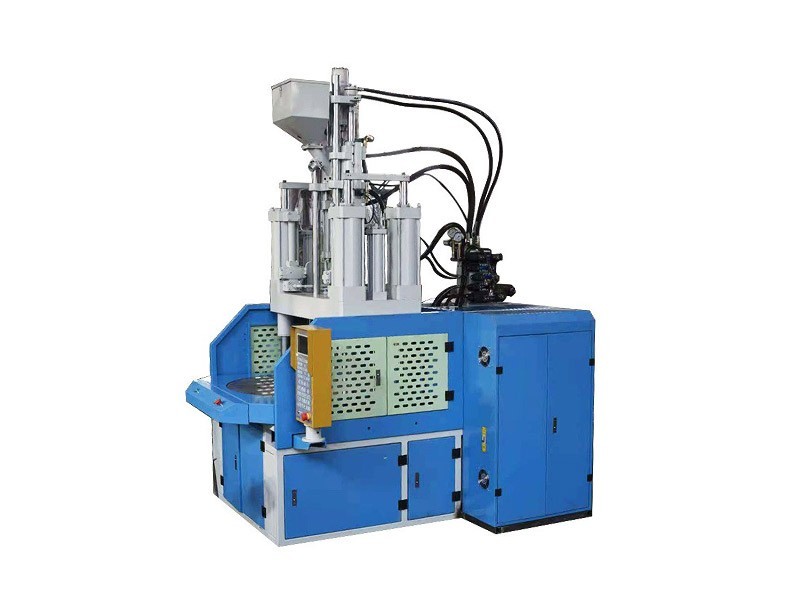
HYD 850(2R/3R) 85 Ton PVC Vertical Rotary Moulding Machine
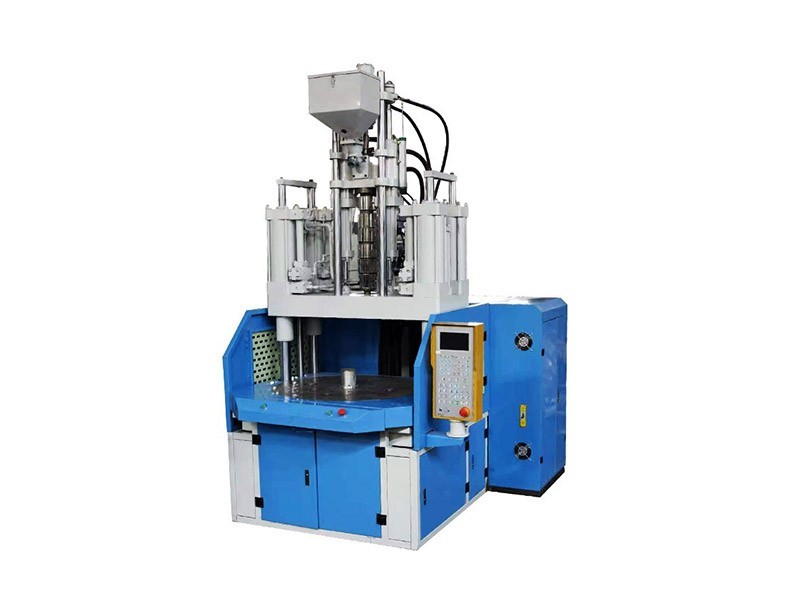
Vertical Injection Molding Machine with Rotary Table
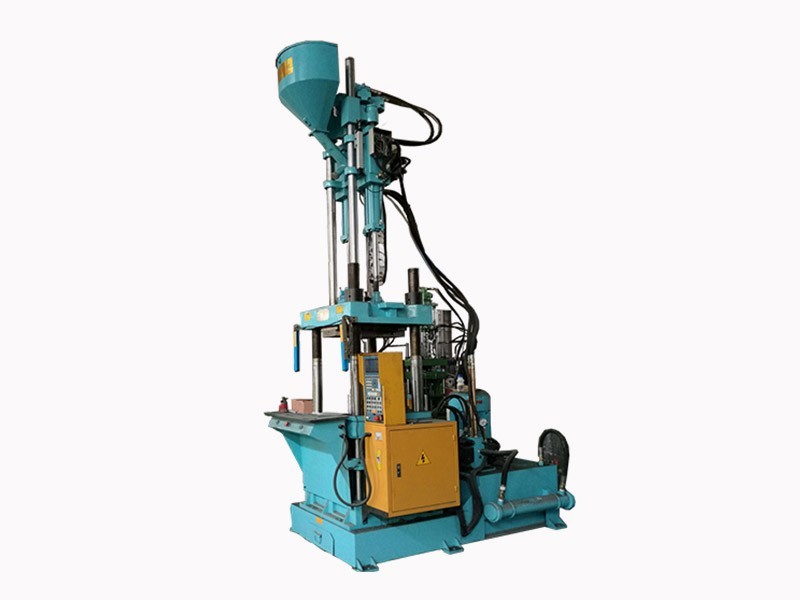
pvc shoe injection moulding machine
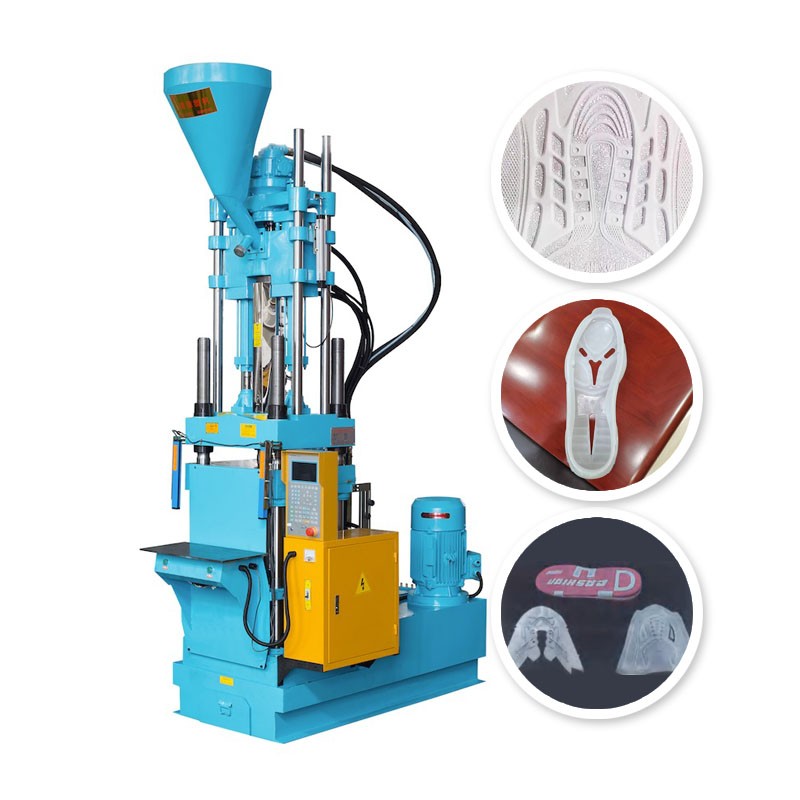
PU Sole Injection Molding Machine 丨Vertical Type Shoes Making Machine

Vertical Injection Machine For Soccer Outsole | Top-quality Shoe Sole Machine
Shoe Sole Injection Molding Machine for PVC TPU TPR Shoe Sole
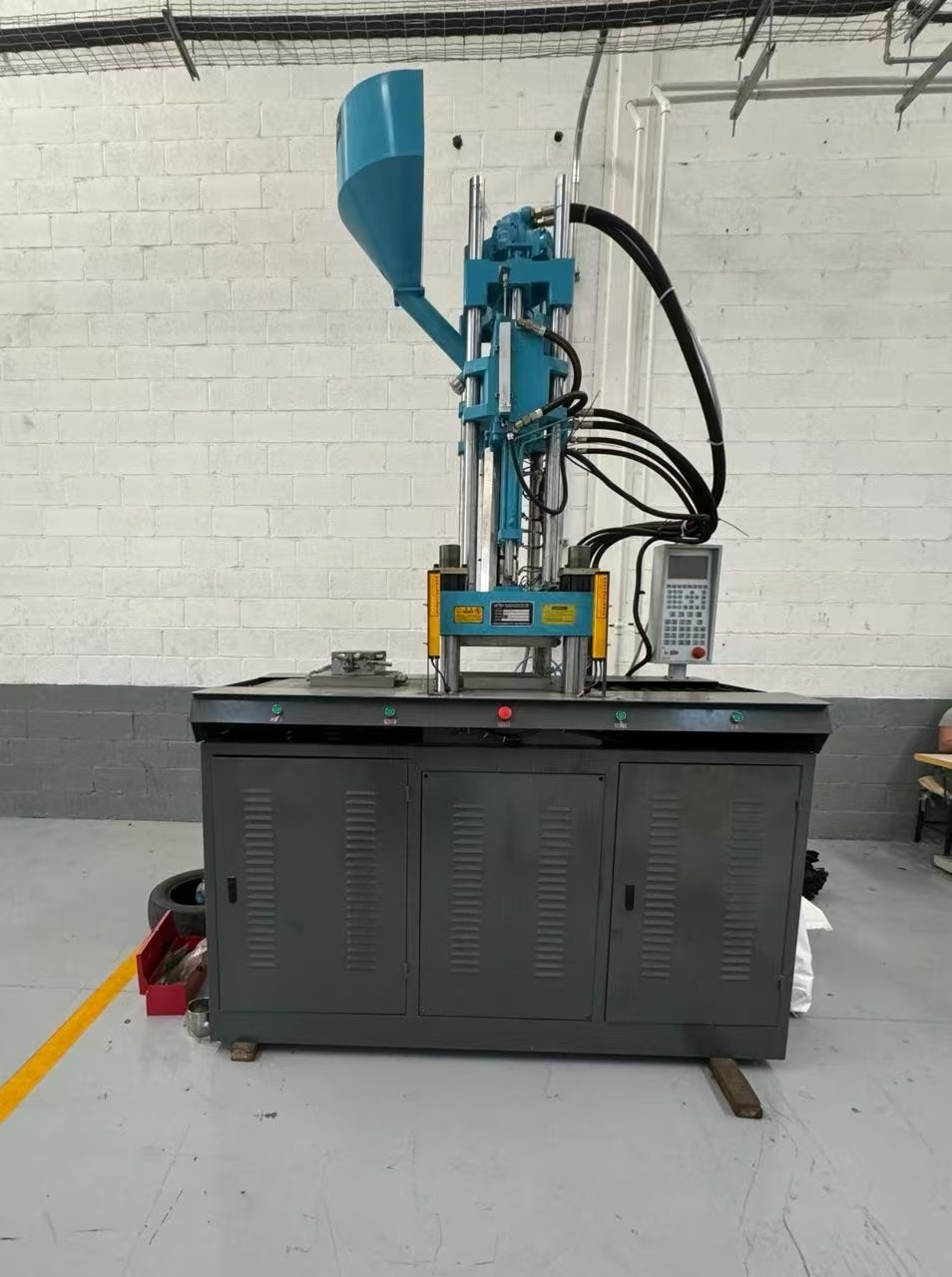
Vertical Type PVC Upper Injection Moulding Shoe Machine
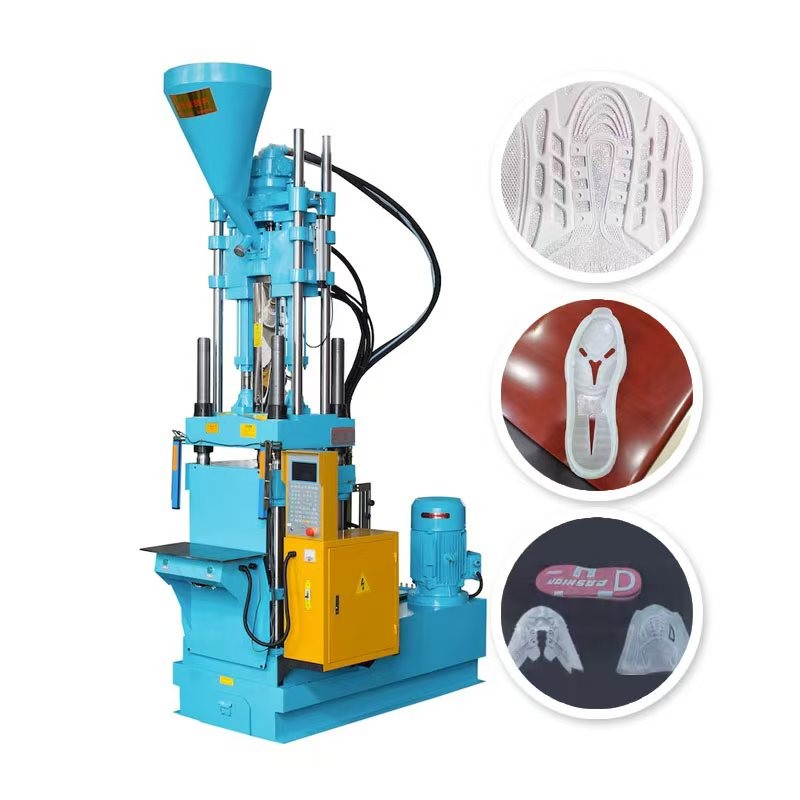
Heavy Duty Vertical PVC Shoe Upper Molding Machine


Recent News
1.What is the machine used in shoe sole making?
2024-06-202.Factors to Consider When Selecting a Plastic Mold Injection Machine
2024-07-043.What is double colour injection moulding machine?
2024-09-094.Safety Helmet Injection molding machine Guide
2024-10-115.Advantages of Sole Injection Molding Machines
2024-10-216.Key Features of Vertical Injection Machines for Soccer Outsole
2024-12-31